
Why New Homes Feel Either Empty or Overcrowded: A Furniture Density Problem
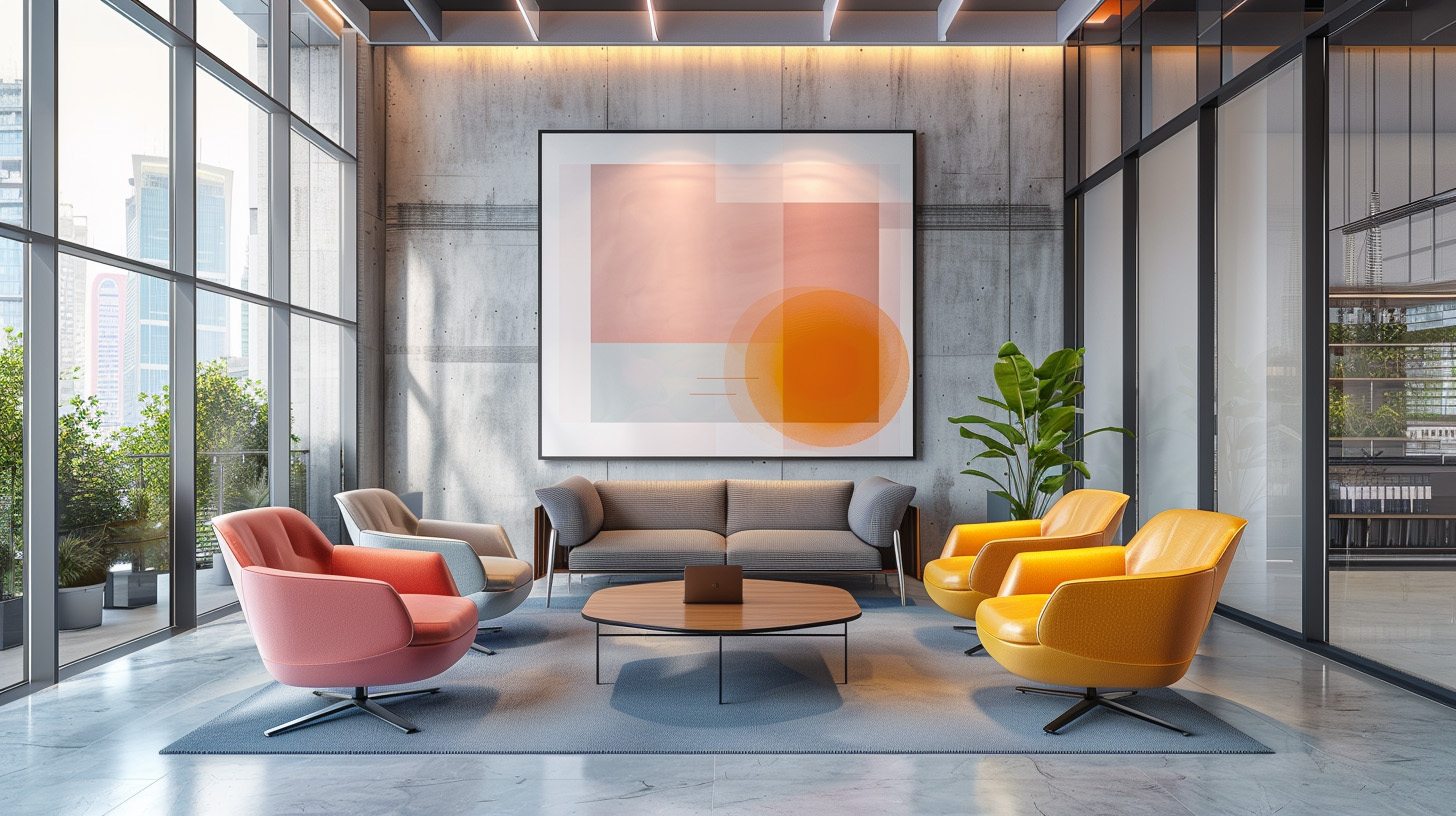
One of the most common frustrations among new homeowners is the inability to achieve balance within their interiors. Homes often feel either sparse and unfinished or cluttered and oppressive, leaving occupants with a sense of discomfort despite careful furniture investment. This imbalance is rarely a result of budgetary constraints or square footage limitations. Instead, the root cause lies in uncontrolled furniture density, lack of spatial calibration, and insufficient attention to the relationships between scale, proportion, and visual weight.
Understanding the Fundamentals of Balance
Balance in residential interiors extends beyond mere aesthetic preference; it is a multidimensional concept that combines spatial architecture, material harmony, and human ergonomics. According to the 2024 Residential Perception Study conducted by the European Design Research Council, homes with furniture layouts evaluated for scale, proportion, and visual weight reported a 32% higher occupant satisfaction than those arranged without deliberate spatial planning. This underscores that perceived luxury is as much about relational coherence as it is about the individual quality of pieces.
Scale: Relating Furniture to Human Dimensions and Room Volume
Scale refers to how furniture relates to human ergonomics and the spatial volume of a room. Oversized furniture can dominate sightlines, compress circulation, and create a psychologically oppressive environment, whereas undersized pieces often diminish visual authority and fail to anchor a space. In a 2025 Residential Spatial Evaluation, occupants consistently rated rooms with appropriately scaled furniture as 17% larger and 21% more comfortable than identically sized spaces containing oversized or undersized items.
Evaluating scale requires attention to multiple dimensions, including seat height, backrest height, arm width, and depth relative to room proportions. For example, sofas with seat heights of 420–450 mm and backrest angles of 100–110 degrees are empirically shown to accommodate the widest range of users comfortably. Neglecting these parameters leads not only to functional discomfort but also to a perceived lack of harmony.
Proportion: Establishing Relationships Between Elements
Proportion considers the relational hierarchy among furniture pieces. A large dining table may require lighter chairs to prevent visual imbalance, while a bulky armchair should be countered with vertical elements such as shelving or narrow consoles. High-end furniture collections often embed internal proportional logic, allowing multiple pieces to coexist without visual friction.
A 2024 Interior Harmony Report found that mixing furniture sets from unrelated proportional systems was the leading cause of visual discomfort in mid- to high-end homes. Professionals mitigate this by aligning line weights, repeating material densities, and calibrating height relationships across primary and secondary furnishings.
Visual Weight: Material and Color Considerations
Visual weight is determined by material, color, texture, and form. Dark woods, dense upholstery, and low-profile seating create heavier visual mass, whereas lighter finishes, elevated frames, and open bases appear less dominant. High-end residential design strategically distributes visual weight to prevent spatial lopsidedness.
For instance, a living room dominated by a heavy sectional on one side may be balanced with vertical shelving units, floor lamps, or artwork on the opposing plane. According to the 2024 Luxury Residential Design Survey, spaces with evenly distributed visual weight were perceived as 24% more refined than similarly furnished areas lacking such balance.
Furniture Density and Circulation
Furniture density directly impacts circulation and perceived spatial comfort. Professionals recommend maintaining primary circulation paths of 900–1100 mm and secondary routes of 600–750 mm, ensuring that movement remains intuitive and unobstructed. Overcrowding not only disrupts physical navigation but also generates psychological strain, reducing the sense of control and authority within the home.
In a 2025 Post-Occupancy Evaluation across 120 high-end residences, homes exceeding recommended density thresholds reported a 27% decrease in perceived relaxation and a 19% increase in minor accidents or trips. This emphasizes that spatial discipline is as critical as furniture quality in delivering a luxury experience.
The Role of Negative Space
Negative space—often misunderstood as emptiness—is a critical tool in achieving balance. Allowing breathing room around key furniture pieces enhances visual hierarchy, material appreciation, and functional clarity. Overcrowded interiors compress both perception and movement, diminishing the authority of high-end furniture. In one professional consultation, removing redundant side tables and chairs in a generously sized apartment immediately improved circulation, restored focal authority, and enhanced occupant satisfaction without adding or replacing any furniture.
Layering and Material Relationships
Balance is reinforced through layering and material coherence. Mixing heavy textures, dark tones, and glossy surfaces without consideration of spatial context can overwhelm the senses. High-end interiors employ calibrated layering: smooth surfaces contrast with soft textiles, matte finishes are balanced with reflective elements, and recurring material motifs unify different zones.
A 2024 Residential Material Study showed that homes with consciously layered materials achieved 31% higher ratings for perceived cohesion and aesthetic quality. This demonstrates that balance is not only about space but also about how materials interact across the environment.
Lighting and Spatial Perception
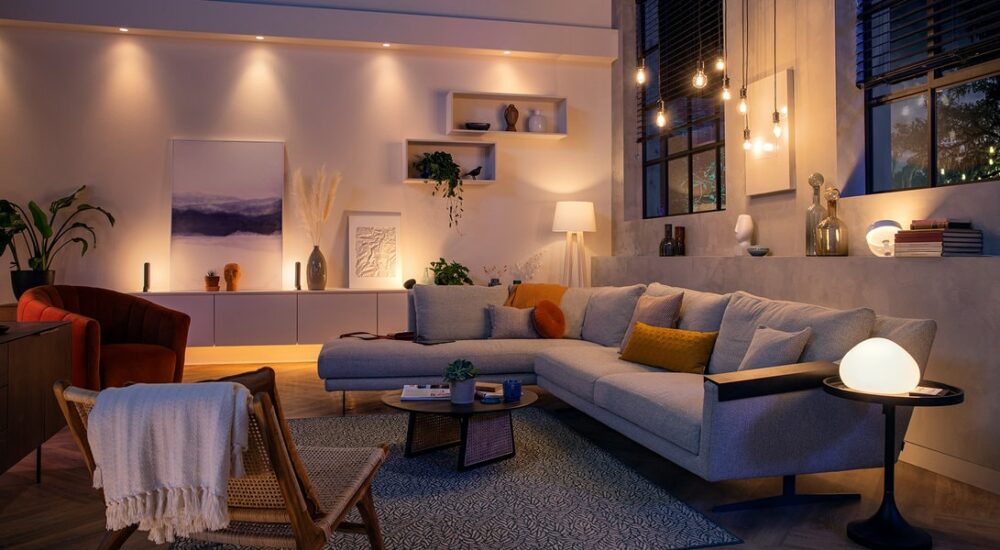
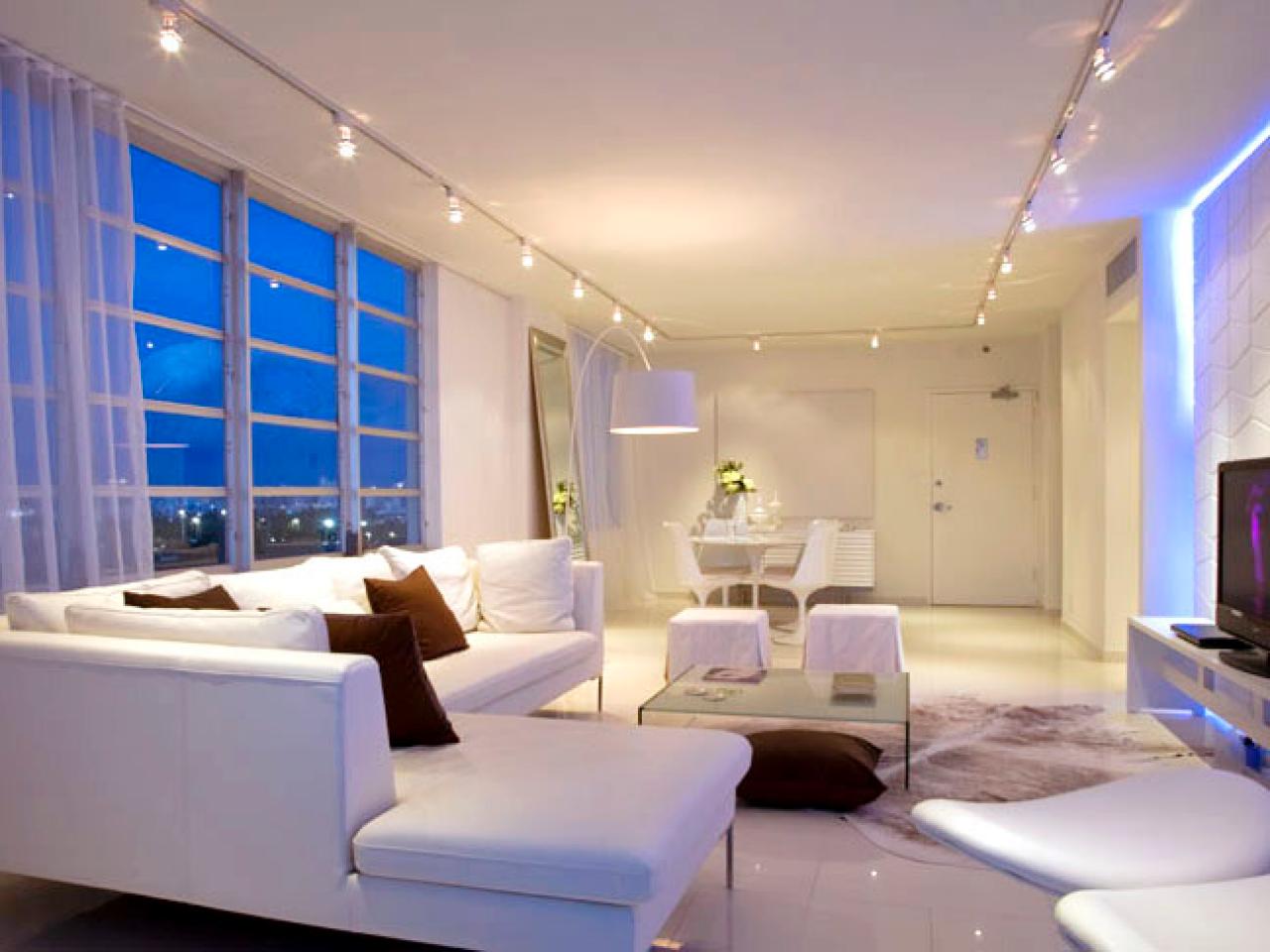
Lighting plays a pivotal role in maintaining balance. Layered lighting—ambient, task, and accent—guides the eye, enhances material quality, and supports functional zones. Inappropriately scaled furniture combined with poor lighting can exacerbate imbalance, creating shadowed areas, glare, or flattened visual depth.
Professionals recommend combining warm-neutral overhead lighting (2700–3000K) with adjustable localized sources such as floor lamps, wall washers, and under-cabinet LEDs. Such strategic illumination highlights furniture scale, proportion, and visual weight, reinforcing spatial harmony.
Adaptability and Long-Term Strategy
Balance is not static; it evolves with lifestyle, family growth, and functional demands. High-end furniture selection should therefore integrate adaptability. Modular sofas, mobile tables, and adjustable shelving allow spatial recalibration without disrupting visual equilibrium. The 2024 Global Residential Adaptability Survey found that occupants of homes furnished with adaptable high-end systems reported a 35% higher long-term satisfaction and a 28% reduction in furniture replacement costs compared to homes with fixed layouts.
Conclusion
Achieving balance in residential interiors is a disciplined process that requires meticulous attention to scale, proportion, visual weight, circulation, negative space, layering, lighting, and adaptability. New homeowners who fail to consider these variables often perceive their spaces as either incomplete or overwhelming, regardless of furniture quality or expenditure.
High-end interiors succeed because balance is intentionally calibrated at every level: each piece’s scale corresponds to human dimensions, proportion establishes relational harmony, visual weight is distributed thoughtfully, circulation is unobstructed, and materials are layered to create cohesion. When executed correctly, balance transforms a house into a composed, comfortable, and visually authoritative home. Luxury, in this context, is not defined by accumulation or budget—it emerges from spatial intelligence, disciplined design decisions, and the artful orchestration of objects, space, and human perception. New homeowners who embrace these principles move beyond decoration to create interiors that feel complete, functional, and experientially rich for decades.


David Chen
January 18 2025Your guide to kitchen renovation is incredible! I've already started implementing the layout changes you suggested, and I'm seeing a noticeable improvement in the functionality of my space. The tips on budget management have been especially helpful.
ReplySarah Johnson
January 16 2025As a first-time renovator, I found your insights on choosing the right contractors invaluable. The section on checking references and licenses has saved me from potential headaches, and my bathroom remodel is now underway! Thank you for sharing such practical renovation advice!
Reply