High-End Bedroom Furniture: Comfort Engineering and Material Psychology
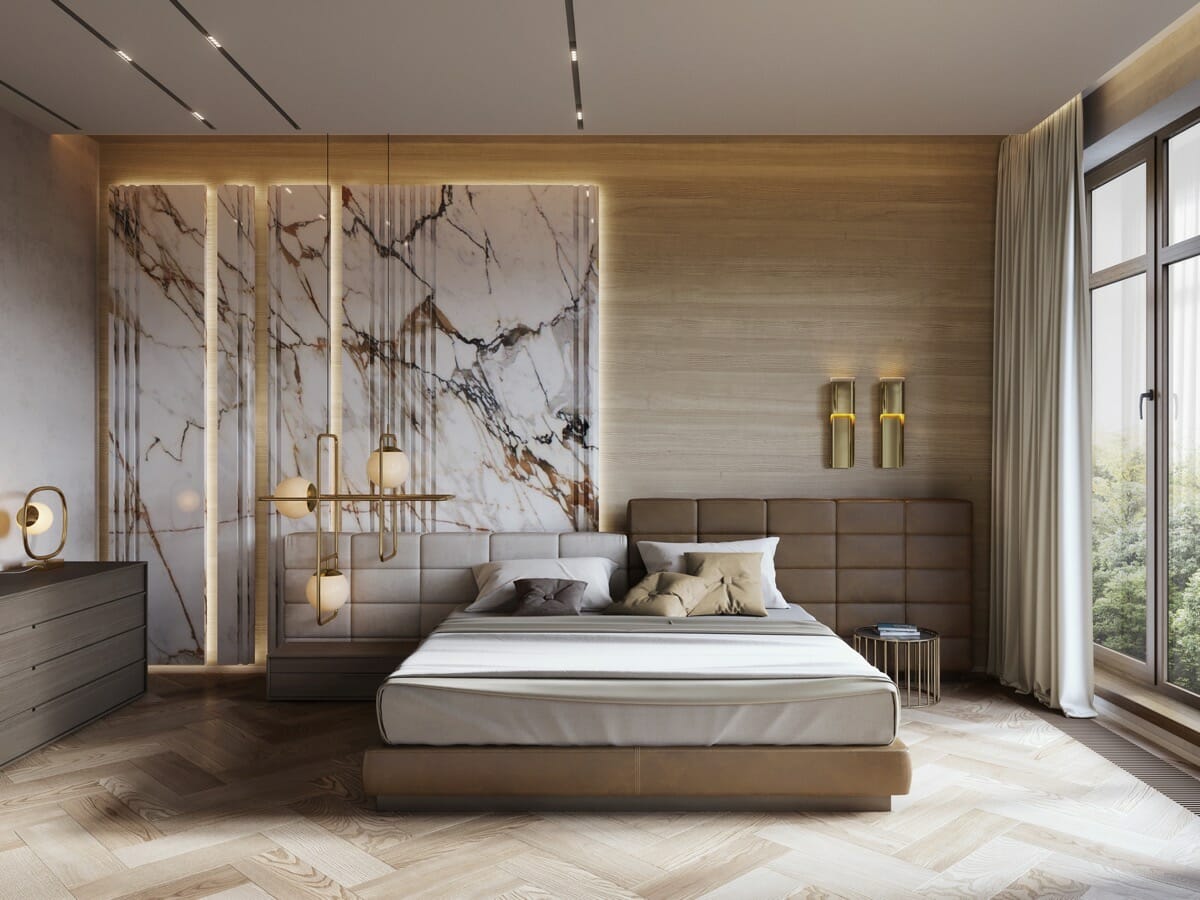
Bedrooms are the most intimate spaces within a home, yet they are often furnished with minimal technical consideration. In high-end residential design, bedroom furniture must integrate biomechanics, material psychology, spatial planning, and long-term comfort, rather than simply following aesthetic trends. True luxury bedrooms are designed to support physical and emotional well-being, promoting restorative sleep and overall daily satisfaction.
Biomechanics and Structural Engineering
Bed frames are central to bedroom function and comfort. Structural rigidity, vibration isolation, and ergonomic alignment are critical. Solid hardwoods such as American walnut or European oak and reinforced steel frames outperform composite materials in maintaining alignment and minimizing micro-movements. According to the National Sleep Foundation’s 2025 Residential Environment Report, properly engineered bed frames contribute to a 21% improvement in perceived sleep quality when combined with appropriate lighting and acoustic control. This demonstrates that technical design directly influences physical health and well-being.
Nightstands and bedside furniture also require careful engineering. The optimal surface height aligns within 50 mm of the mattress top to allow easy access to essentials without strain. Drawer mechanisms with soft-close hardware rated for 30,000+ cycles ensure durability and reliability. Clients who initially select furniture without considering ergonomic reach often experience discomfort or disruption of sleep routines, reinforcing the importance of biomechanical planning.
Material Psychology and Sensory Impact
Material selection in bedroom furniture profoundly affects psychological comfort. Natural woods, matte finishes, and textile surfaces create warmth and reduce visual tension, supporting relaxation. In contrast, glossy surfaces, reflective metals, or overly bright colors can create visual noise, disrupting the calm environment essential for restorative sleep. During client consultations, I emphasize the tactile and visual experience, encouraging physical interaction with materials before purchase.
Upholstery choices for headboards, benches, and lounge chairs are equally important. Full-grain aniline leather, high-density wool, and linen blends offer both tactile comfort and visual subtlety, enhancing the sense of luxury and long-term satisfaction. Synthetic fabrics may be colorful or easy to clean but often lack durability and can degrade comfort over time.
Spatial Planning and Proportional Harmony
Spatial intelligence in bedroom design is crucial for both comfort and perceived luxury. Oversized wardrobes or dressers can dominate the room, disrupting circulation and creating visual tension. Conversely, insufficient storage leads to clutter, negatively affecting emotional well-being. The 2025 Residential Storage Study indicates that optimized storage solutions reduce perceived room stress by 29%, highlighting the link between organization and mental comfort.
Bed placement relative to windows, doors, and lighting sources further impacts both function and sleep quality. Placing the bed to optimize natural light during waking hours while minimizing glare during evening relaxation enhances circadian alignment and visual comfort. Circulation pathways around the bed should allow at least 700–900 mm clearance to support unobstructed movement and reduce the risk of accidents.
Lighting and Environmental Integration
Bedroom furniture cannot be evaluated independently from lighting and environmental factors. Layered lighting strategies—including ambient, task, and accent lighting—complement furniture placement, enhance visual harmony, and support functional needs such as reading, dressing, or relaxation. Adjustable bedside lamps, recessed ambient lighting, and low-level floor illumination create an environment conducive to both sleep and activity. I have observed in several luxury projects that integrating lighting with furniture layout improves usability and promotes a perception of cohesive, well-planned design.
Human-Centered Ergonomics
Ergonomic design extends beyond beds and nightstands. Seating, benches, and bedroom lounges should prioritize comfort and posture, with seat heights typically between 420–450 mm and back angles supporting natural alignment. Desk or vanity surfaces should allow neutral wrist and elbow positions to reduce strain. These design decisions, though subtle, contribute to trust and authority in high-end interiors, ensuring that every piece of furniture supports physical well-being and emotional satisfaction.
Case Studies from Professional Experience
In one project, a first-time homeowner invested in a solid oak bed frame, upholstered headboard, and modular nightstands. By aligning bed and furniture placement with natural light patterns and optimizing circulation, the bedroom not only appeared luxurious but also improved sleep quality and ease of movement. After two years, the client reported sustained comfort and satisfaction, demonstrating the importance of biomechanical and material planning.
Another client initially chose glossy lacquered furniture for aesthetic appeal. Over time, the reflective surfaces caused visual tension and disrupted relaxation routines. After replacing these pieces with matte-finished wood and upholstered surfaces, the bedroom achieved a calming atmosphere, enhancing both sleep quality and emotional comfort. This example illustrates the direct impact of material psychology on perceived luxury and well-being.
Sustainability and Long-Term Perspective
Sustainability and adaptability are increasingly valued in luxury bedroom design. FSC-certified woods, durable upholstery, and low-impact finishes support environmental responsibility while extending furniture longevity. Modular storage units, reupholsterable chairs, and beds with replaceable components allow bedrooms to evolve with changing needs without compromising visual or functional quality. The 2024 McKinsey Home & Living Report indicates that homeowners who prioritize durable, adaptable furniture experience 25–30% lower replacement costs over a decade.
Personal Perspective and Design Philosophy
In my professional experience, the most successful luxury bedrooms integrate comfort engineering, material psychology, and spatial intelligence. Authority and trust in bedroom furniture arise not from trend-driven aesthetics or high price tags, but from careful consideration of ergonomics, material quality, and long-term usability. First-time homeowners who follow a disciplined framework—evaluating scale, circulation, tactile experience, and maintenance—consistently report higher satisfaction, reduced stress, and improved sleep quality.
Conclusion
High-end bedroom furniture should be evaluated as an interconnected system supporting rest, well-being, and emotional comfort. Structural engineering, ergonomic planning, material selection, spatial layout, and environmental integration all contribute to a successful design. For first-time homeowners and renovation clients, luxury emerges from discipline and informed decision-making, rather than superficial trends or decorative appeal.
By prioritizing human-centered design, sustainable materials, and adaptable furniture systems, homeowners create bedrooms that are not only aesthetically refined but also functional, restorative, and enduring. Thoughtful design ensures that each piece contributes to physical health, emotional comfort, and long-term value, establishing trust and authority in the high-end residential space. True luxury is achieved when bedroom furniture performs seamlessly, supports the human body and mind, and endures both physically and stylistically for decades.