Living Room Layouts in Luxury Homes: Furniture Scale, Circulation, and Human Behavior
Designing a luxury living room is a complex, multifaceted process that goes beyond selecting attractive furniture pieces. In my professional experience with first-time homeowners and renovation clients, the most common failures in high-end living rooms stem from neglecting spatial logic, scale relationships, circulation patterns, and human behavioral considerations. Luxury living rooms are successful not because they feature expensive furniture, but because they intuitively support daily activity, social interaction, and relaxation.
Understanding Furniture Scale and Proportion
Furniture scale is critical in luxury interiors. A 2024 Houzz Living Space Study found that 41% of homeowners regret furniture purchases due to improper sizing, which disrupts both functionality and aesthetics. Oversized furniture in large rooms can overwhelm circulation paths, while undersized furniture in spacious areas may appear inconsequential, reducing perceived authority and elegance. Proper scale must be calibrated to room dimensions, ceiling height, and intended functional zones.
Sofas in high-end living rooms typically measure 2200–2600 mm in length, balancing multi-person seating with proportional harmony. Seat depth between 560–600 mm accommodates both relaxation and upright posture for conversation. Coffee tables should be 380–420 mm high, allowing easy reach without obstructing sightlines. Armchairs, consoles, and side tables must complement these measurements, maintaining visual rhythm and ergonomic comfort. These dimensions are grounded in human-centered design principles, not stylistic preference.
Circulation: Prioritizing Movement and Accessibility
Circulation paths are essential for functional, comfortable living rooms. Primary routes should allow a minimum of 900 mm clearance, and secondary pathways should provide at least 600 mm. Neglecting these standards results in visually impressive but physically constraining interiors. I have observed multiple renovation projects where simply removing or repositioning a few items dramatically improved functionality and overall spatial satisfaction.
Circulation planning also considers activity zones. Clear paths to media centers, bookshelves, and seating areas reduce strain and enhance daily usability. In luxury homes, this ensures that both formal entertaining and casual lounging occur without visual or physical friction, reinforcing the perception of thoughtful design and authority.
Behavioral Zoning: Structuring Activity and Social Interaction
Effective luxury living rooms employ behavioral zoning to support multiple activities. Conversation clusters, media viewing areas, reading nooks, and transitional spaces should be clearly delineated. Rugs, lighting, and furniture orientation serve as visual cues that subtly guide movement and behavior.
According to a 2025 Interior Architecture Review, rooms with defined functional zones increase perceived comfort by 32% compared to open, undefined spaces. Behavioral zoning also enhances versatility, allowing homeowners to host gatherings, relax individually, or work from home without interfering with other functions.
Lighting, Environmental Interaction, and Furniture Placement
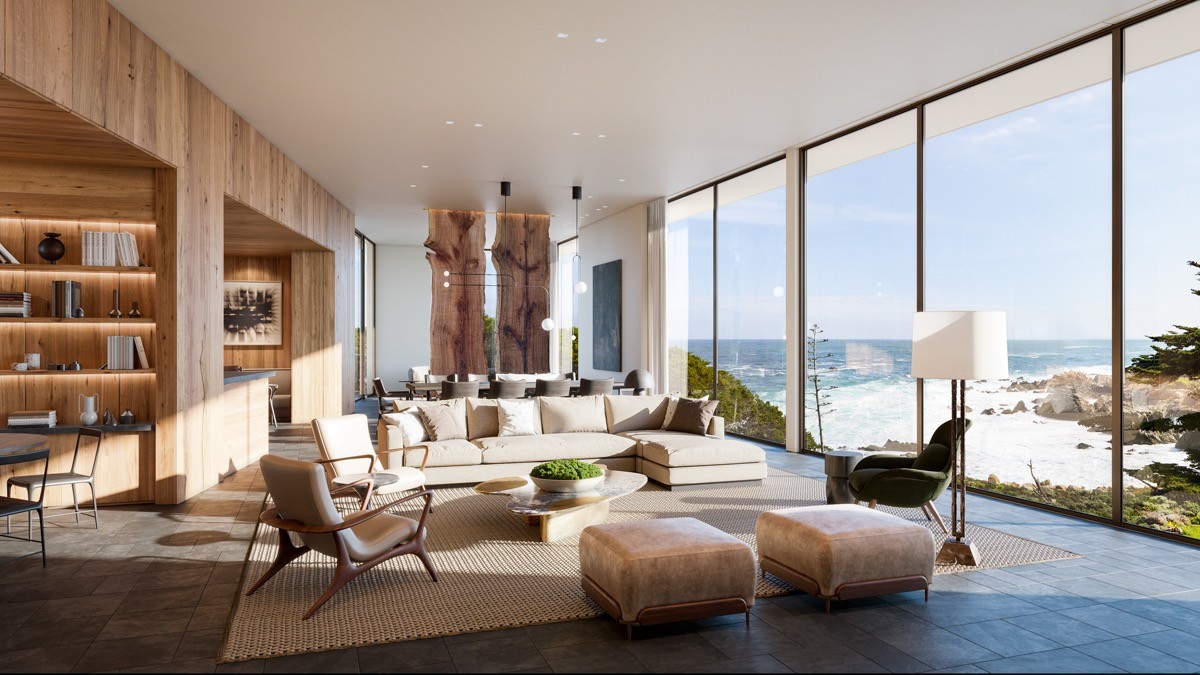
Lighting and furniture layout are interdependent. Natural light, ambient illumination, and accent lighting influence perception of scale, color, and material quality. A sofa positioned opposite a large window should not block daylight, while accent lights can highlight architectural features and focal furniture. Integrated lighting enhances spatial hierarchy, emphasizing key furniture pieces and creating a sense of luxury that extends beyond visual appeal.
Material and Comfort Considerations
Furniture materials impact both comfort and longevity. High-density hardwood frames, resilient foam or down-blend cushions, and quality upholstery support structural durability and tactile satisfaction. Coffee tables, sideboards, and media units must balance visual weight with functional stability. A 2025 American Furniture Manufacturers Association survey found that homeowners consistently value comfort, material integrity, and spatial proportion above brand recognition or trendiness, highlighting that real luxury is grounded in experience rather than marketing.
Case Studies and Professional Experience
In my professional practice, clients who approach living room design with attention to scale, circulation, and ergonomics consistently enjoy functional and elegant spaces. One first-time homeowner initially purchased oversized armchairs that dominated the space. After a careful reassessment of scale and circulation, we substituted appropriately sized pieces and reconfigured seating. The result was a living room that felt spacious, inviting, and balanced, demonstrating how scale adjustments enhance both usability and aesthetic authority.
Another project involved a family renovating an open-plan luxury apartment. By establishing distinct conversational, media, and transitional zones using rugs, lighting, and furniture orientation, we prevented visual chaos and promoted intuitive movement. Two years later, the homeowners reported minimal functional complaints, validating the importance of behavioral zoning in luxury interiors.
Long-Term Perspective: Investment, Adaptability, and Maintenance
Luxury living room furniture should be treated as a long-term investment. Adjustable modular systems, reupholsterable sofas, and durable wood finishes ensure adaptability over time. The 2024 Houzz Living Space Report found that homeowners prioritizing flexible furniture experienced 28% lower replacement rates over ten years. Furniture that can be modified, repaired, or reconfigured allows interiors to evolve alongside lifestyle changes while preserving aesthetic consistency and functional reliability.
Maintenance planning also contributes to perceived luxury. High-end pieces designed for easy care—such as stain-resistant fabrics, removable cushion covers, and refinishable wood surfaces—enhance user satisfaction and trust in the investment. Attention to long-term upkeep reinforces authority and expertise, ensuring that the interior remains visually and functionally compelling.
Visual Hierarchy, Symmetry, and Spatial Intelligence
Luxury living rooms communicate refinement through visual hierarchy and symmetry. Balanced repetition of shapes, materials, and lines establishes coherence and authority. I often employ scaled floor plans, 3D models, and mock-ups to help clients visualize the interplay of furniture and circulation before purchase, ensuring that proportional relationships and focal points are correct. Properly executed, these strategies create a room that feels both intuitive and impressive, fostering confidence in design decisions that endure beyond trend cycles.
Sustainability and Ethical Responsibility
Modern homeowners increasingly value ethical sourcing and sustainability. FSC-certified wood, eco-friendly upholstery, and low-impact finishes ensure responsible consumption while maintaining luxury standards. Choosing durable, ethically sourced materials reduces replacement frequency, conserves resources, and reflects socially responsible design choices, reinforcing trust with the homeowner.
Conclusion
Designing luxury living rooms requires harmonizing furniture scale, circulation, behavioral patterns, proportion, materials, lighting, and sustainability. First-time homeowners and renovation clients must recognize that luxury is not merely about expensive furniture but about creating spaces that function intuitively, support social interaction, and remain visually coherent. By prioritizing human-centered design, spatial intelligence, and adaptability, homeowners can achieve interiors that provide enduring comfort, aesthetic satisfaction, and authority.
In professional practice, the most successful living rooms are those where furniture supports daily life seamlessly, encourages interaction, and respects circulation paths without drawing attention to itself. Luxury emerges not from excess or trend-driven choices but from disciplined planning, proportional accuracy, and functional foresight. Investing in proper scale, zoning, and long-term adaptability ensures living rooms that are both luxurious and practical, establishing trust and confidence in high-end interior design for decades.