Adaptive Modular Furniture: Flexibility in High-End Interiors
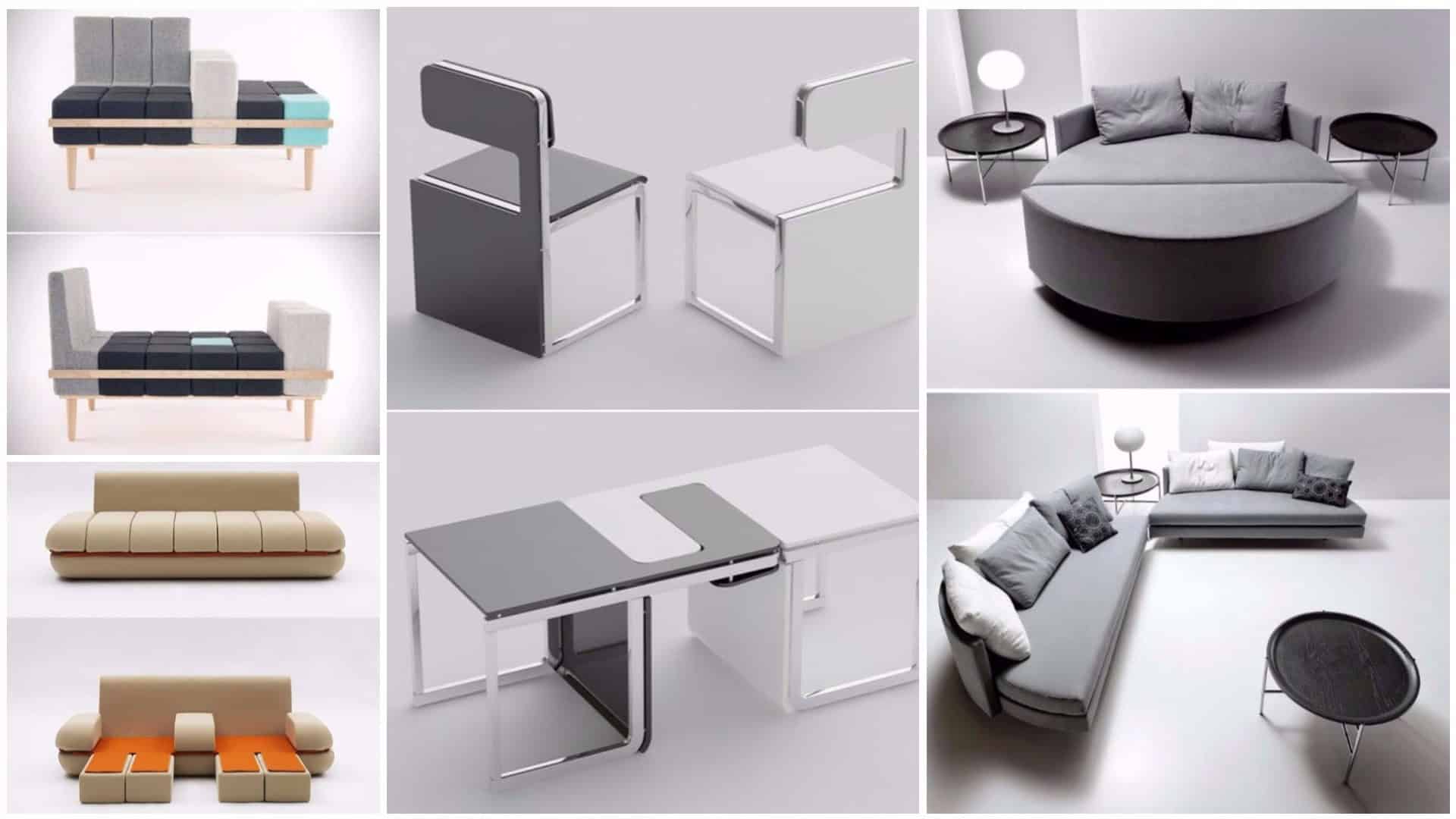
Adaptive modular furniture represents a sophisticated approach in high-end residential interiors, offering a seamless blend of flexibility, aesthetic refinement, and functional intelligence. Drawing from decades of professional experience consulting on luxury residential projects, I have observed that thoughtfully designed modular systems empower clients to reconfigure spaces dynamically, addressing evolving social, functional, and spatial needs while maintaining cohesion, craftsmanship, and experiential quality. For homeowners seeking guidance in creating versatile yet elegant interiors, understanding the principles and execution of adaptive modular furniture is essential for achieving both utility and aesthetic sophistication.
Material selection is foundational to adaptive modular design. High-strength engineered woods, reinforced metals, sustainable composites, and premium textiles are chosen not only for durability but also for tactile richness and visual consistency. Each material is assessed for long-term performance, resistance to repeated handling, and compatibility with finishes that retain their luster over time. Advanced manufacturing techniques, including precision cutting, CNC fabrication, and hand-finished detailing, ensure that modular elements fit seamlessly across configurations. This material intelligence communicates authority, reliability, and professional expertise, reassuring clients that adaptability does not compromise luxury.
Structural integrity underpins the functionality of modular systems. Components are engineered to support repeated reconfiguration, multi-use applications, and load-bearing requirements without visual distortion or compromise in performance. Reinforced joints, interlocking mechanisms, and concealed hardware maintain stability while preserving clean lines and refined surfaces. Prototyping and rigorous testing with artisans and engineers validate durability, comfort, and aesthetic fidelity, emphasizing the credibility and meticulous attention to detail characteristic of high-end design.
Design logic governs both flexibility and spatial coherence. Modular furniture allows expansion, contraction, rotation, and reorientation, enabling spaces to respond to changing occupancy patterns, activities, and lifestyle shifts. Spatial planning integrates circulation pathways, sightlines, and focal points, ensuring that movement and interaction remain intuitive. Components are arranged to delineate zones, facilitate social engagement, and optimize functional distribution without clutter or disruption. This spatial intelligence enhances usability and fosters immersive experiential quality, reinforcing the designer's authority and trustworthiness.
Ergonomics and human-centered design are integral to adaptive modular systems. Seating surfaces, desk heights, storage accessibility, and multifunctional components are calibrated according to anthropometric data, ensuring comfort, safety, and long-term usability. Modular units accommodate diverse user needs, from solo work or study to social gatherings and relaxation, demonstrating that functional adaptability can coexist with aesthetic refinement. Iterative client testing and feedback loops validate comfort, accessibility, and operational intuitiveness, further reinforcing experiential credibility.
Aesthetic consistency is critical in modular design. Despite reconfiguration, material finishes, textures, colors, and proportions maintain visual harmony across spatial variations. Polished or matte surfaces, woven textiles, and tactile accents are carefully orchestrated to interact with light and surrounding materials, preserving elegance and coherence. Subtle detailing, from edge alignment to hardware concealment, ensures that modularity feels intentional rather than utilitarian, projecting sophistication and thoughtful craftsmanship.
Psychological and experiential benefits of adaptive modular furniture are significant. Occupants gain a sense of control and agency over their environment, able to customize layouts to suit social occasions, personal work, or private relaxation. Flexibility encourages engagement, fosters creativity, and enhances satisfaction with living spaces, creating an emotional and functional resonance that aligns with high-end residential expectations. The ability to adjust environments dynamically without compromising luxury communicates an elevated design intelligence and user-centric philosophy.
Sustainability and lifecycle considerations are embedded in adaptive modular systems. Durable materials, modular repairability, and interchangeable components reduce waste, extend functional lifespan, and allow interiors to evolve over time. By prioritizing environmentally responsible practices alongside flexibility and craftsmanship, designers demonstrate ethical awareness, authority, and expertise, reinforcing trust in both product and design philosophy.
Integration with lighting, texture, and surrounding architecture enhances experiential richness. Modular units are positioned to complement natural and artificial light, highlight key textures, and frame architectural features. Circulation pathways, focal areas, and interaction zones are carefully orchestrated to ensure that reconfiguration preserves visual hierarchy, rhythm, and comfort. This holistic integration elevates interiors beyond mere functionality, creating a multi-sensory experience where form, material, and adaptability coexist in balance.
Client engagement and personalization are central. Bespoke modular solutions allow homeowners to express individual taste, lifestyle, and social priorities. Custom dimensions, finishes, and configuration options reinforce a sense of ownership and identity, while collaborative design processes foster trust, transparency, and credibility. Clients experience interiors that are not only visually refined but also responsive, functional, and emotionally engaging, reflecting an intersection of artistry, science, and human-centered design.
Technology integration further enhances adaptive modular furniture. Embedded connectors, motorized adjustments, and intelligent storage solutions allow components to respond to environmental cues or user preferences, maintaining elegance while increasing functionality. Integration is designed to be discreet, preserving the luxurious visual language of interiors, while providing practical intelligence that supports modern lifestyles. This synthesis of technology, materiality, and flexibility demonstrates the authority, innovation, and high-level expertise expected in luxury residential design.
Ultimately, adaptive modular furniture exemplifies the convergence of innovation, craftsmanship, ergonomics, aesthetic rigor, and sustainability. By thoughtfully combining durable materials, human-centered ergonomics, spatial intelligence, and aesthetic coherence, designers deliver interiors that are flexible, visually harmonious, and experientially engaging. Occupants enjoy environments that adapt seamlessly to changing needs, fostering both practical comfort and emotional satisfaction. This multidimensional approach establishes authority, credibility, and trust, underscoring the transformative potential of adaptive modular systems in high-end residential design.
In conclusion, adaptive modular furniture provides a sophisticated, dynamic, and luxurious solution for contemporary interiors. It allows spaces to evolve with social, functional, and aesthetic demands while preserving visual cohesion, comfort, and material integrity. Expertise in material selection, ergonomic calibration, spatial orchestration, technological integration, and client collaboration ensures that high-end residences remain versatile, engaging, and enduringly elegant. By embracing these principles, designers create interiors that not only accommodate changing lifestyles but also reinforce authority, experiential depth, and the refined expectations of luxury living.