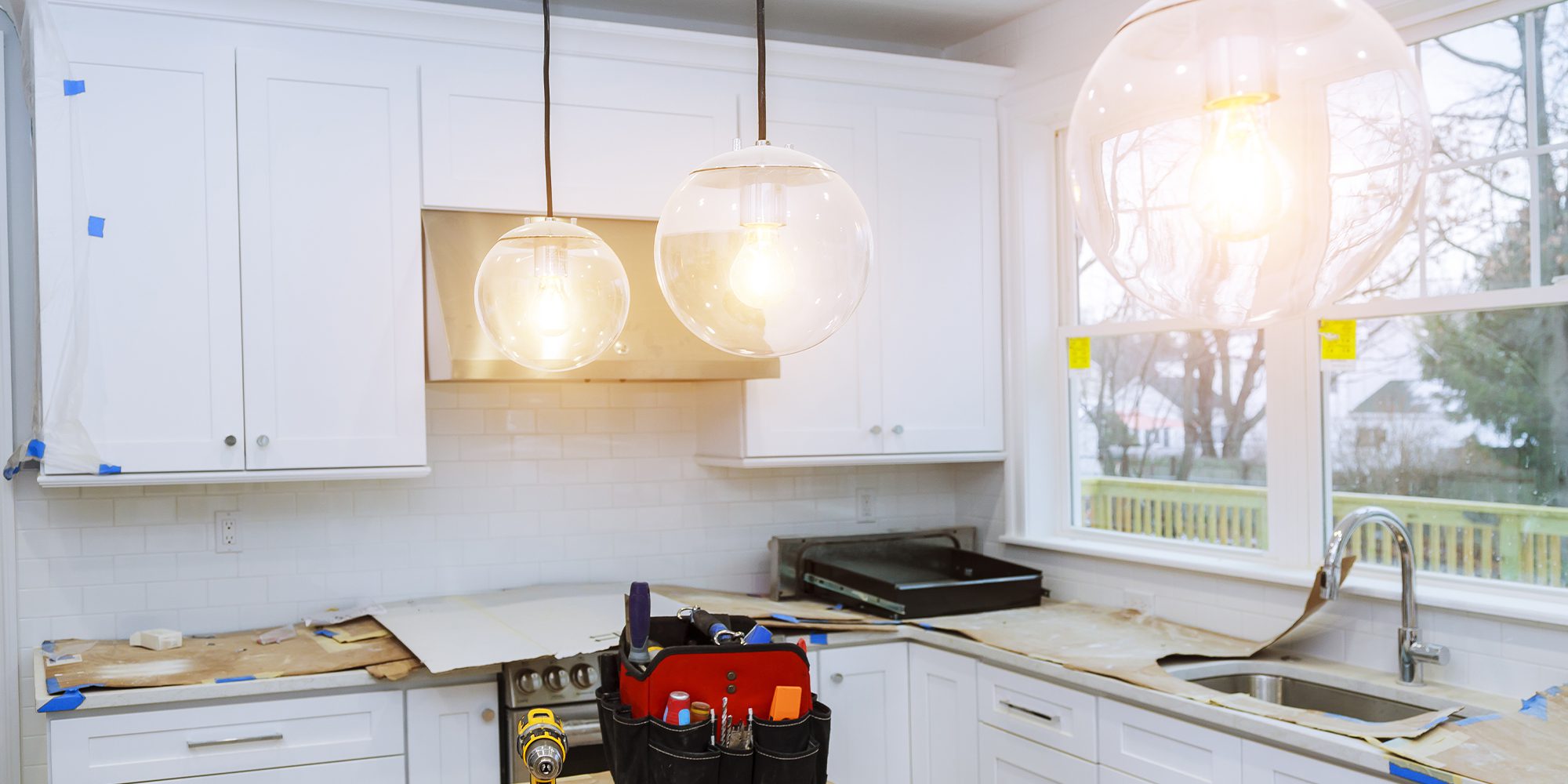
Acoustic Design in Residential Interiors: The Silent Luxury
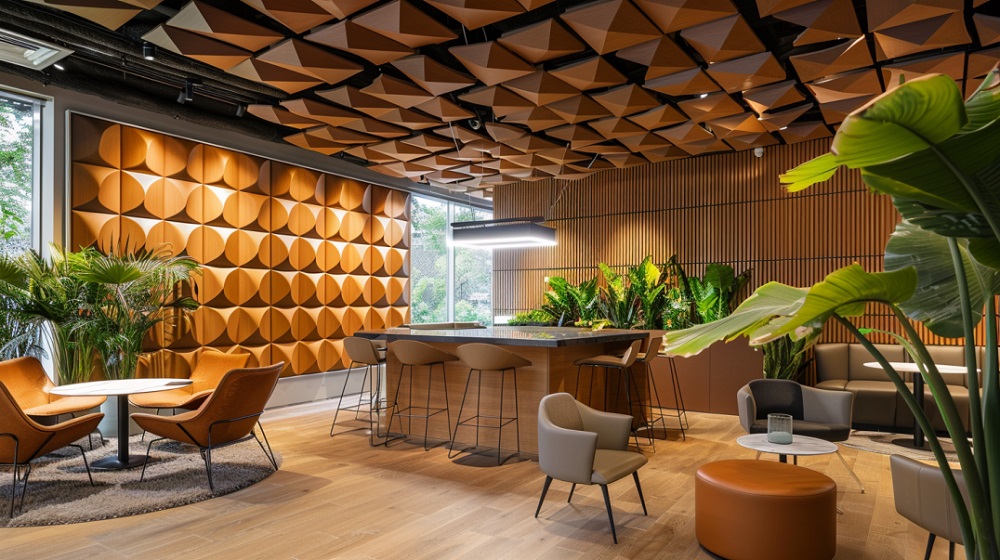
Acoustic design is one of the most underestimated yet profoundly influential dimensions of luxury residential interiors. While visual refinement is immediately apparent, sound quality shapes how a space is experienced over time—affecting privacy, emotional comfort, concentration, rest, and social interaction. Through years of professional consulting across high-end residential projects, I have consistently observed that homes perceived as truly luxurious are not only visually calm but acoustically balanced. When sound is uncontrolled, even the most expensive interiors feel restless, exposed, or emotionally fatiguing.
At its core, acoustic design is about managing how sound is generated, reflected, absorbed, and diffused within a space. Residential interiors are complex acoustic environments: conversations, footsteps, appliances, music, and exterior noise all interact with architectural volumes and material surfaces. In luxury homes, where large open plans, double-height ceilings, stone surfaces, and expansive glazing are common, the risk of echo, reverberation, and sound spill is particularly high. Addressing these issues requires intentional integration of furniture, textiles, and architectural elements rather than relying on afterthought solutions.
Furniture plays a central role as an acoustic moderator. Upholstered sofas, armchairs, headboards, and banquettes absorb mid- to high-frequency sound, softening reflections and improving speech clarity. Layered rugs reduce footfall noise and mitigate sound bounce from hard flooring. Even seemingly decorative elements—such as fabric wall panels, padded benches, or leather-wrapped cabinetry—contribute meaningfully to acoustic comfort. In my practice, furniture selection is evaluated not only for proportion, materiality, and aesthetics, but also for acoustic contribution, ensuring that form and function extend into the auditory realm.
Placement strategy significantly amplifies acoustic effectiveness. Soft furnishings positioned near reflective surfaces—such as glass walls, stone fireplaces, or plaster ceilings—help counteract excessive reverberation. Bookshelves filled with books or curated objects act as diffusers, breaking up sound waves and preventing sharp echoes. Modular furniture and partitions can be used to subtly divide open-plan spaces, creating acoustic zones without compromising visual openness. This strategic placement reflects authority and experience, demonstrating an understanding of sound behavior within lived environments.
Material selection is pivotal in shaping acoustic performance. Hard, dense materials like marble, glass, metal, and polished wood reflect sound efficiently, often creating brightness and liveliness but also increasing echo if left unbalanced. Absorptive materials—such as wool, felt, linen, leather, and acoustic foams—convert sound energy into heat, reducing reverberation. In luxury interiors, the challenge lies in combining these materials without sacrificing elegance. My approach emphasizes layered material palettes, where absorptive surfaces are integrated seamlessly through upholstery, drapery, wall treatments, and custom millwork rather than overt acoustic panels.
Texture, porosity, and thickness are critical considerations. Thick curtains perform differently from sheer fabrics; dense wool rugs absorb more sound than flat-weave alternatives; perforated wood panels behave differently from solid boards. These nuances are evaluated alongside visual harmony and tactile quality. By aligning acoustic performance with aesthetic intent, designers ensure that sound control enhances rather than detracts from spatial sophistication. This integration underscores design credibility and reinforces trust with clients who expect both beauty and comfort.
Architectural interventions further support acoustic refinement. Ceiling treatments, such as coffered panels, fabric-wrapped inserts, or slatted wood systems, help manage sound in large volumes. Wall paneling with concealed absorptive backing improves privacy between rooms without altering visual language. Even staircases, corridors, and transitional spaces benefit from acoustic consideration, as uncontrolled noise transfer often originates in these overlooked areas. In luxury homes, silence and discretion are not luxuries—they are expectations.
The psychological impact of acoustics cannot be overstated. Humans respond instinctively to sound environments. Excessive echo can create anxiety and cognitive fatigue, while poor sound insulation undermines privacy and emotional security. Conversely, acoustically tuned spaces foster calm, focus, and intimacy. Living rooms feel more welcoming, dining areas encourage conversation, bedrooms support rest, and home offices enhance concentration. These experiential qualities significantly elevate perceived luxury, often more enduringly than visual spectacle alone.
Acoustic comfort also influences social dynamics. In well-balanced spaces, voices are intelligible without strain, music feels immersive rather than overpowering, and gatherings remain lively without becoming overwhelming. This balance supports both solitude and connection—two essential dimensions of residential life. High-end clients increasingly recognize that acoustic quality directly affects how often spaces are used and enjoyed, reinforcing its role as a value multiplier rather than a hidden technical concern.
Privacy is another critical dimension. Sound transmission between rooms, floors, or adjacent residences can erode the sense of sanctuary that luxury homes promise. Furniture density, wall treatments, rugs, and soft finishes all contribute to reducing sound leakage. Thoughtful zoning—placing quieter functions away from social hubs and buffering transitions with storage or upholstered elements—further enhances acoustic privacy. These strategies demonstrate foresight and mastery, qualities that distinguish experienced designers from purely stylistic practitioners.
Technology can complement material-based solutions. Integrated sound systems, white-noise features, and adaptive acoustic controls allow residents to fine-tune their auditory environment. However, technology should never replace foundational acoustic design. My guidance emphasizes that true luxury lies in passive, material-driven solutions that perform effortlessly without constant adjustment. Technology then becomes an enhancer rather than a compensator.
Maintenance and longevity are also considered. Acoustic materials must withstand daily use, aging gracefully without losing performance or visual integrity. High-quality textiles, durable upholstery, and well-engineered panels ensure that acoustic comfort remains consistent over time. This long-term perspective reinforces trust, assuring clients that their investment supports enduring comfort rather than temporary effect.
Importantly, acoustic design should be invisible in outcome, even if rigorous in process. The most successful luxury interiors do not announce their acoustic strategies; they simply feel calm, private, and balanced. This subtlety is the essence of silent sophistication. When occupants are unaware of why a space feels comfortable yet consistently enjoy being in it, acoustic design has succeeded.
In conclusion, acoustic consideration in luxury residential interiors is a hallmark of mature, holistic design thinking. Through strategic furniture selection, material intelligence, spatial planning, and architectural integration, designers can craft environments that are as refined sonically as they are visually. This expertise conveys authority, trustworthiness, and experiential mastery. By treating sound as an integral design material rather than a technical afterthought, luxury interiors achieve a deeper level of comfort, privacy, and emotional resonance—quietly reinforcing what true residential luxury means to live with every day.