
Upholstery Intelligence: Leather, Fabric, and Performance Materials Explained
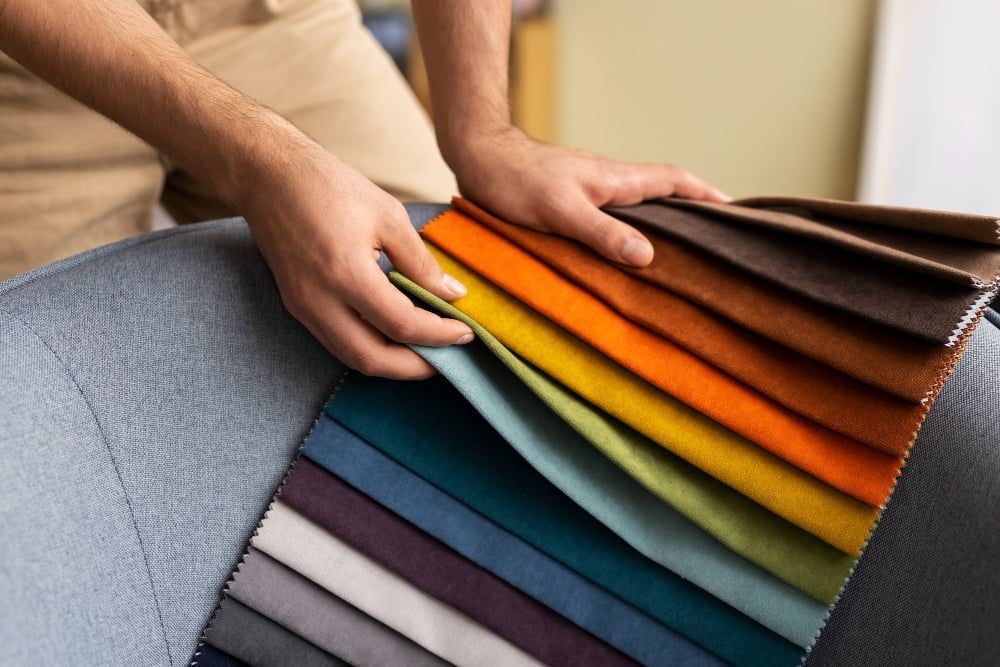
Upholstery is one of the most critical and often misunderstood components of high-end furniture. While many buyers reduce the decision to a simple surface preference—leather versus fabric—professional evaluation considers material composition, construction methods, aging behavior, and interaction with cushioning and frame systems. In my professional practice, upholstery selection frequently determines whether a piece remains desirable and comfortable for a decade or requires early replacement, influencing both long-term satisfaction and total cost of ownership.
Understanding Leather Beyond Labels
Not all leather qualifies as luxury upholstery. Full-grain and top-grain leathers preserve the natural fiber structure, which allows the material to breathe, soften, and develop patina over time. According to the 2025 European Leather Quality Index, full-grain leather retained over 80% of its tensile strength after ten years of residential use, whereas corrected and bonded leathers retained less than 50%. Aniline and semi-aniline leathers, prized for their tactile richness, offer a dynamic aging process, allowing natural marks and color shifts that enhance character. Conversely, heavily pigmented or coated leathers prioritize stain resistance but sacrifice breathability and long-term aesthetic evolution. For homeowners seeking lasting value, selecting leather that matures gracefully rather than resisting change ensures enduring visual and functional appeal.
Fabric Upholstery: Construction Matters More Than Fiber Type
High-quality fabric upholstery is defined less by fiber content and more by weave density, yarn twist, backing structure, and finishing treatments. Natural fibers, such as wool blends, linen, or tightly woven cotton, offer excellent resilience, temperature regulation, and tactile richness. Performance fabrics, engineered for stain resistance, abrasion durability, and flexibility, allow high-traffic areas to maintain their visual and functional integrity. The 2024 Residential Textile Performance Study demonstrated that fabrics exceeding 30,000 double rubs in Martindale abrasion testing retained over 40% longer visual fidelity compared to lower-rated alternatives. However, high abrasion resistance alone is insufficient—factors such as pilling resistance, fabric recovery, and tactile response must also be considered. These elements ensure that upholstered furniture not only lasts physically but also maintains aesthetic and sensory satisfaction over time.
Integration With Cushioning and Ergonomics
Upholstery is inseparable from cushioning systems and ergonomic design. Seat depth, backrest angle, foam density, and spring resilience determine how fabrics and leathers perform under repeated use. Premium furniture often combines high-resilience foams with pocketed springs or sinuous webbing, allowing upholstered surfaces to adapt to body contours while retaining shape over years of daily use. Ergonomic calibration, including seat heights between 420–450 mm and backrest angles of 100–110 degrees for lounge seating, ensures that upholstery supports healthy posture and reduces fatigue. Inadequate consideration of cushioning-fabric interaction can compromise both comfort and material longevity, highlighting the importance of holistic design assessment.
Performance Materials: Function Without Compromise
Performance upholstery materials, often underestimated as utilitarian, can rival traditional options when executed at a premium level. Advanced textile treatments enable moisture resistance, color stability, stain repellency, and easy maintenance without sacrificing flexibility or tactile appeal. Paired with well-engineered cushioning and frame systems, performance fabrics maintain ergonomic comfort and aesthetic quality for high-use zones such as family rooms or home offices. The strategic application of these materials allows homeowners to balance durability, functionality, and luxury aesthetics, ensuring that high-performance areas do not appear visually inferior to more formal spaces.
Matching Upholstery to Lifestyle
Effective upholstery selection begins with understanding household lifestyle, spatial function, and use frequency. Formal living areas, high-traffic family rooms, multifunctional seating zones, and media spaces each demand distinct material characteristics. Homeowners are advised to physically test samples under natural lighting and consider tactile flexibility, temperature response, and cleaning requirements. In one project, a client paired semi-aniline leather for primary seating with performance fabric for secondary seating. After five years, both materials remained visually coherent, structurally sound, and comfortable, demonstrating the practical benefits of strategic material pairing.
Emotional and Aesthetic Considerations
Upholstery influences not only comfort and durability but also the emotional and sensory experience of a space. The texture, warmth, and visual depth of carefully selected materials contribute to a sense of luxury, cohesion, and spatial identity. Over time, the aging of natural leathers and fabrics adds character, supporting emotional attachment and satisfaction with the environment. Conversely, rapidly degrading low-quality upholstery can disrupt visual harmony and create dissatisfaction, emphasizing the long-term value of informed selection.
Sustainability and Lifecycle Value
High-end upholstery materials increasingly incorporate sustainable practices. Responsibly sourced leathers, recycled fibers, low-impact dyes, and performance fabrics designed for durability minimize ecological footprint while maximizing lifecycle value. Homeowners informed about maintenance, reupholstery options, and material longevity can make environmentally responsible choices without compromising aesthetics or comfort. Lifecycle-conscious upholstery selection contributes to reduced replacement frequency, lower total cost of ownership, and ethical stewardship, reinforcing both financial prudence and design integrity.
Conclusion
In high-end furniture, upholstery intelligence transforms individual pieces into enduring, living elements that respond to daily use, lifestyle demands, and the passage of time. By evaluating leather and fabric performance, aging behavior, ergonomic integration, cushioning synergy, emotional impact, and sustainability, new homeowners can select materials that provide comfort, aesthetic richness, and functional durability over decades. True luxury upholstery does not resist life; it evolves with it, maintaining beauty, usability, and emotional satisfaction while supporting long-term investment and experiential value in high-end residential interiors.

David Chen
January 18 2025Your guide to kitchen renovation is incredible! I've already started implementing the layout changes you suggested, and I'm seeing a noticeable improvement in the functionality of my space. The tips on budget management have been especially helpful.
ReplySarah Johnson
January 16 2025As a first-time renovator, I found your insights on choosing the right contractors invaluable. The section on checking references and licenses has saved me from potential headaches, and my bathroom remodel is now underway! Thank you for sharing such practical renovation advice!
Reply