
The Psychology of First-Time Furniture Buyers: Avoiding Common Pitfalls
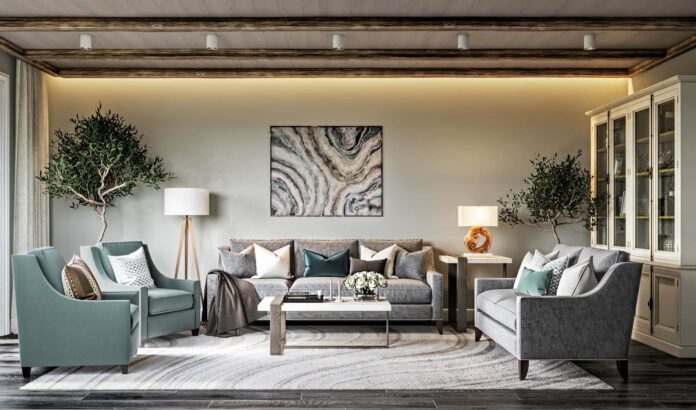
First-time homeowners frequently enter the high-end furniture market with a mix of excitement, uncertainty, and emotional vulnerability. The transition from renting or shared living to ownership creates heightened sensitivity to identity, status, and perceived permanence. Within this psychological state, purchasing decisions are often shaped less by objective quality assessment and more by cognitive biases. Brand overvaluation, trend chasing, and impulse buying are the most common patterns observed in professional consultations, and each can significantly undermine long-term satisfaction, financial efficiency, and furniture longevity if left unexamined.
The Psychological Context of First-Time Ownership
For many new homeowners, furnishing a home represents more than functional necessity—it symbolizes arrival, success, and personal taste. This symbolic weight amplifies emotional decision-making. The unfamiliarity with luxury furniture construction standards further compounds the issue, as buyers lack reference points for evaluating craftsmanship, material integrity, and lifecycle performance. As a result, external signals such as brand recognition, showroom presentation, and social validation exert disproportionate influence.
Understanding these psychological dynamics is not about discouraging enthusiasm, but about channeling it into structured decision-making. When emotions are acknowledged and managed, they become allies rather than liabilities in the creation of enduring interiors.
Brand Bias and the Illusion of Authority
Brand bias is one of the most pervasive cognitive shortcuts among first-time buyers. High visibility, heritage narratives, and premium pricing often create an assumption of superior quality and durability. While many established brands do maintain rigorous standards, brand reputation alone is not a reliable proxy for performance.
Professionals emphasize that true quality reveals itself through tangible indicators: solid frame construction, appropriate joinery methods, material thickness, upholstery density, and repairability. A lesser-known manufacturer using solid hardwood frames and traditional joinery may outperform a famous brand relying on composite cores and superficial finishes. Brand authority should therefore be treated as a starting signal for investigation, not a conclusion.
Overreliance on brand prestige can also reduce buyer vigilance. When homeowners assume quality is guaranteed, they are less likely to inquire about maintenance requirements, warranty scope, or renewal potential. This complacency often results in disappointment years later, when premature wear contradicts initial expectations.
Trend-Driven Decisions and Short-Term Aesthetic Satisfaction
Design trends exert powerful psychological pull, particularly in the early stages of homeownership when individuals seek validation and contemporary relevance. Bold colors, sculptural forms, and fashionable textures offer immediate visual gratification and social affirmation. However, these same characteristics often age quickly as tastes evolve and trends cycle.
Empirical data supports this pattern. The 2024 Consumer Insights Study reported that 58% of first-time homeowners experienced dissatisfaction within three years due to trend-driven furniture purchases. The dissatisfaction rarely stemmed from functional failure; rather, it arose from aesthetic fatigue and misalignment with evolving personal identity.
Timeless design does not imply blandness or conservatism. Instead, it prioritizes proportion, material honesty, and restrained detailing that can adapt to changing contexts. Neutral foundations paired with replaceable accents allow interiors to evolve without requiring wholesale furniture replacement. Professionals consistently advise anchoring major investments—sofas, dining tables, beds—in designs that transcend short-lived trends.
Impulse Purchases and Emotional Triggers
The act of furnishing a first home is often compressed into a short timeframe, creating urgency that fuels impulse buying. Emotional triggers include fear of incompleteness, desire for immediate comfort, and anxiety about making the home feel \"finished.\" Showroom environments are specifically designed to capitalize on these emotions through staged settings, limited-time offers, and sensory appeal.
Impulse purchases frequently result in mismatched scale, redundant functions, or compromised circulation. Oversized pieces may dominate rooms, while visually striking items lack long-term comfort or adaptability. These decisions are rarely catastrophic individually, but collectively they erode spatial coherence and financial efficiency.
To counteract impulsivity, professionals recommend a phased acquisition strategy. Anchor pieces—those defining primary functions such as seating, dining, and sleeping—should be selected first with careful measurement and evaluation. Supporting elements follow once spatial relationships are established. Accessories and decorative items are intentionally deferred, allowing emotional intensity to subside and judgment to stabilize.
Structured Decision Tools and Visualization
One of the most effective methods for mitigating psychological bias is visualization grounded in scale and proportion. Floor plans, furniture templates, and 3D mock-ups translate abstract desire into concrete spatial understanding. When buyers see how a piece interacts with circulation paths, sightlines, and light sources, emotional assumptions are often recalibrated.
Visualization also exposes hidden trade-offs. A visually dramatic sofa may appear less appealing when its depth restricts movement, or a statement dining table may lose appeal when its maintenance demands become evident. These tools transform decision-making from reactive to analytical without diminishing creative engagement.
The Role of Education and Professional Guidance
Education plays a critical role in reducing cognitive bias. First-time homeowners who understand basic construction principles—frame types, joinery methods, upholstery layering—develop confidence independent of branding and trend signals. This knowledge shifts the internal narrative from \"Is this impressive?\" to \"Is this appropriate, durable, and maintainable?\"
Professional guidance further stabilizes decision-making. Designers and consultants act as cognitive buffers, translating emotional impulses into strategic choices. Their value lies not only in aesthetic direction but in protecting clients from predictable psychological pitfalls that compromise long-term satisfaction.
Long-Term Consequences of Early Decisions
Furniture purchased during the initial furnishing phase often remains in place for decades, shaping daily experience and maintenance obligations. Early mistakes driven by bias or impulse create persistent friction—pieces that are tolerated rather than enjoyed, maintained reluctantly, or replaced prematurely. Conversely, deliberate early decisions establish a foundation of comfort, adaptability, and visual authority that compounds positively over time.
Homeowners who approach their first purchases with psychological awareness report higher satisfaction, lower replacement frequency, and stronger emotional attachment to their interiors. The home evolves organically rather than undergoing disruptive overhauls driven by regret.
Conclusion
Understanding the psychology of first-time high-end furniture buyers is essential for making informed, resilient decisions. Brand bias, trend influence, and impulse triggers are natural responses to emotional and cognitive pressure, not personal failures. By recognizing these patterns and adopting structured evaluation methods—material inspection, phased purchasing, visualization, and professional guidance—new homeowners protect both aesthetic integrity and financial value. Luxury interiors that endure are not the result of impulse or prestige, but of self-awareness, discipline, and choices aligned with long-term living rather than momentary emotion.


David Chen
January 18 2025Your guide to kitchen renovation is incredible! I've already started implementing the layout changes you suggested, and I'm seeing a noticeable improvement in the functionality of my space. The tips on budget management have been especially helpful.
ReplySarah Johnson
January 16 2025As a first-time renovator, I found your insights on choosing the right contractors invaluable. The section on checking references and licenses has saved me from potential headaches, and my bathroom remodel is now underway! Thank you for sharing such practical renovation advice!
Reply