
The Hidden Cost of Cheap Furniture: A 10-Year Ownership Analysis
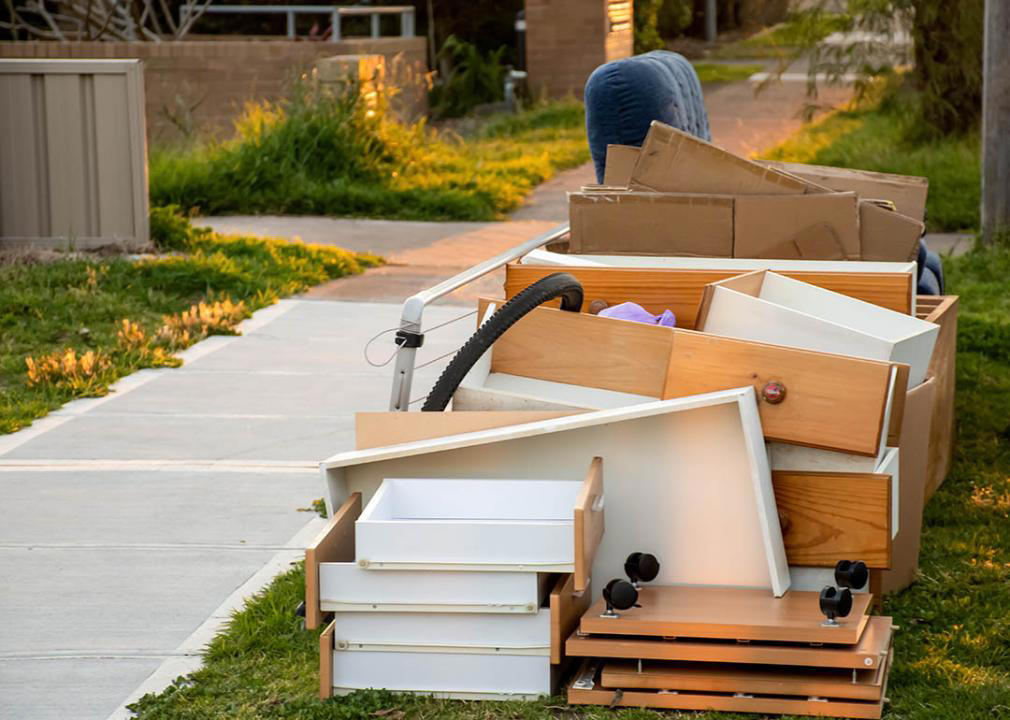
Low-cost furniture is frequently marketed as practical, flexible, and budget-friendly, appealing particularly to first-time homeowners who must manage multiple financial priorities. However, a comprehensive evaluation of ownership costs over a ten-year horizon reveals that inexpensive furniture often proves more expensive—not merely in monetary terms, but also in comfort, usability, visual coherence, and emotional satisfaction. For homeowners who value long-term performance, understanding the hidden costs of cheap furniture is essential for making informed, strategic purchasing decisions.
Short-Term Savings Versus Long-Term Costs
The initial purchase price is only a fraction of the total cost of ownership. Replacement frequency, maintenance demands, comfort degradation, and aesthetic fatigue cumulatively increase the financial burden of low-cost furniture. According to the 2025 Global Home Furnishing Lifecycle Study, households investing in low-priced seating and storage items typically replaced major furniture every 3–4 years, whereas owners of high-end, durable pieces experienced replacement cycles exceeding 12 years. Over a decade, these repeated purchases often surpass the cumulative cost of a smaller number of high-quality, long-lasting items, revealing that immediate affordability can be deceptive when evaluated against long-term financial logic.
Structural Durability and Material Performance
Low-cost furniture is often manufactured using cost-optimized materials and rapid assembly techniques. Stapled joints, thin low-density composite panels, minimal reinforcements, and inexpensive hardware contribute to early structural fatigue. Daily use accelerates warping, instability, creaking, and even safety hazards. The 2024 German Furniture Durability Index found that premium seating systems retained more than 75% of their original structural integrity after ten years of use, while entry-level alternatives retained only 42%, illustrating the tangible long-term consequences of material and construction quality.
High-end furniture, by contrast, relies on reinforced hardwood frames, mortise-and-tenon joinery, dowel reinforcements, and rigorously tested hardware systems. Load distribution is optimized to prevent deformation, noise, or safety concerns, while precision construction ensures consistent performance. Inspection of hidden frame elements, corner blocks, and fastening systems often reveals quality differences invisible at first glance, underscoring that true luxury is rooted in engineering and craftsmanship rather than surface appearance.
Comfort Retention Over Time
Beyond structural stability, furniture comfort is a critical and often overlooked factor. Low-cost sofas, chairs, and seating units frequently lose cushioning resilience, degrade upholstery, and fail to maintain ergonomic support within one to two years of use. High-density foams, resilient spring systems, and replaceable cushions in premium furniture extend comfort lifespan significantly, ensuring that seating remains supportive and pleasurable over the long term. From an anthropometric perspective, ergonomically calibrated seat heights, back angles, and lumbar support reduce fatigue and enhance postural health, which becomes increasingly relevant as furniture is used daily over a decade. In practice, homeowners report higher satisfaction and fewer complaints with seating designed for comfort continuity compared to inexpensive, short-term alternatives.
Emotional and Visual Cohesion
Rapid degradation of low-cost furniture can disrupt the visual and emotional harmony of residential interiors. Frequent replacements lead to inconsistent color palettes, mismatched materials, and uneven spatial rhythm, creating a fragmented aesthetic environment. According to the 2024 Residential Psychology Study, occupants in visually coherent and stable interiors reported a 19% higher perceived well-being than those in homes with inconsistent, frequently replaced furniture. High-end furniture, designed to age gracefully and maintain visual integrity, contributes to emotional stability, long-term attachment, and pride of ownership, reinforcing the idea that luxury extends beyond financial value to include sensory and psychological satisfaction.
Total Ownership Analysis
A practical cost comparison over ten years demonstrates the economic efficiency of investing in high-quality furniture. A low-cost sofa replaced three times in a decade, considering purchase price, delivery, assembly, and disposal costs, often exceeds the total expenditure for a single high-end sofa designed for refurbishment, reupholstery, or modular adjustments. Moreover, high-end pieces maintain consistent comfort, aesthetic appeal, and functional usability, reducing hidden costs related to dissatisfaction, discomfort, and frequent replacement.
Sustainability and Environmental Considerations
Inexpensive furniture frequently uses materials and processes that are non-recyclable, short-lived, or environmentally harmful. High-quality furniture, with durable materials, replaceable components, and responsible sourcing, aligns long-term value with environmental responsibility. Homeowners informed about material longevity, repairability, and ecological impact can make choices that minimize waste while maximizing both functional and aesthetic satisfaction, reinforcing ethical stewardship alongside financial prudence.
Conclusion
While low-cost furniture may appear attractive for its immediate affordability, a long-term perspective reveals significant hidden costs: accelerated replacement cycles, comfort loss, structural degradation, emotional dissonance, and environmental inefficiency. High-end, well-engineered furniture delivers superior durability, sustained comfort, aesthetic consistency, and emotional satisfaction, often at a lower total cost of ownership over ten years. For first-time homeowners planning beyond the short term, investing in quality furniture is not indulgent but a disciplined strategy, integrating material intelligence, ergonomic design, construction authority, and lifecycle foresight. True luxury furniture earns trust through measurable performance, comfort, adaptability, and enduring visual and experiential quality, transforming a house into a home that remains functional, beautiful, and emotionally gratifying for decades.

David Chen
January 18 2025Your guide to kitchen renovation is incredible! I've already started implementing the layout changes you suggested, and I'm seeing a noticeable improvement in the functionality of my space. The tips on budget management have been especially helpful.
ReplySarah Johnson
January 16 2025As a first-time renovator, I found your insights on choosing the right contractors invaluable. The section on checking references and licenses has saved me from potential headaches, and my bathroom remodel is now underway! Thank you for sharing such practical renovation advice!
Reply