
Sustainability in High-End Interiors: Materials, Ethics, and Longevity
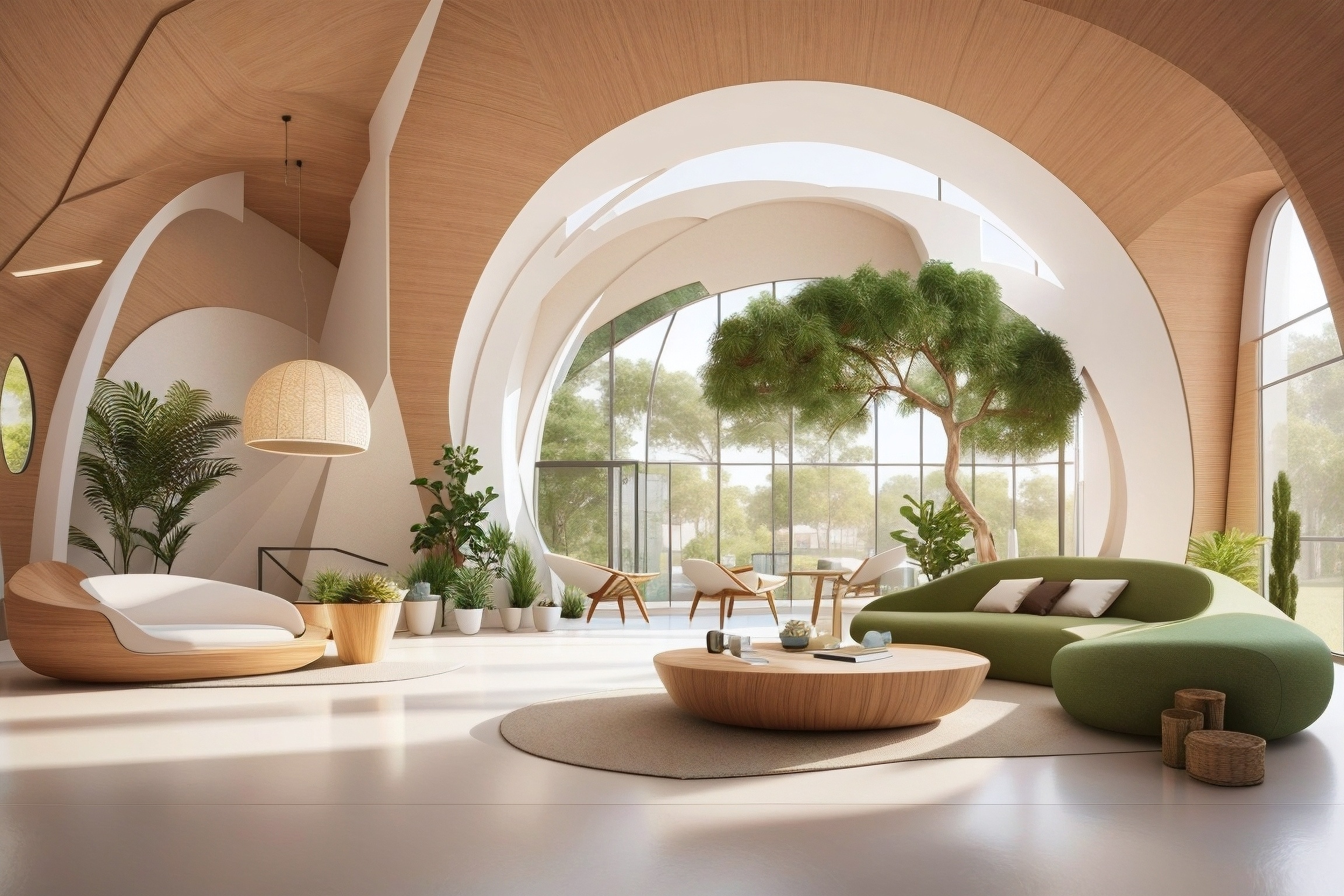
Modern luxury is inseparable from sustainability. In contemporary high-end residential design, sustainability is no longer an optional ethical statement but a fundamental indicator of quality, intelligence, and long-term value. New homeowners increasingly recognize that true luxury must balance environmental responsibility with durability, performance, and enduring aesthetic authority. Furniture that respects material origins, production processes, and lifecycle impact delivers a deeper and more credible form of refinement than pieces driven solely by visual novelty or brand prestige.
Sustainability as a Redefinition of Luxury Value
Traditional notions of luxury emphasized rarity, ornamentation, and cost. Modern luxury, however, is defined by restraint, foresight, and responsibility. In high-end interiors, sustainability signals discernment rather than compromise. A piece of furniture designed to last decades, age gracefully, and minimize ecological harm communicates confidence, maturity, and cultural awareness. According to the 2025 Global Luxury Sustainability Report, 68% of luxury homeowners consider environmental responsibility and ethical sourcing decisive factors when selecting high-end furniture. This shift reflects a broader understanding that wastefulness undermines luxury, while longevity reinforces it.
Ethical Material Sourcing and Production Transparency
Sustainable luxury begins at the source. Responsibly harvested FSC-certified woods, traceable metals, and low-impact finishes ensure that furniture production aligns with environmental accountability and human health standards. Certification alone is insufficient; transparency throughout the supply chain is equally critical. High-end manufacturers increasingly disclose material origins, harvesting practices, and finishing systems, allowing homeowners to evaluate not only appearance but also environmental credibility.
Low-VOC finishes, water-based lacquers, and natural oils reduce indoor air pollution and long-term health risks. These choices may not be visually apparent, yet they significantly affect daily living quality over time. For new homeowners, ethical sourcing is not symbolic—it is a structural guarantee that materials were selected for stability, safety, and longevity rather than short-term cost efficiency.
Durability as the Core of Environmental Responsibility
Durability is one of the most powerful and underappreciated sustainability strategies. Furniture that performs reliably for twenty or thirty years dramatically reduces resource extraction, manufacturing emissions, transportation impact, and landfill waste. In contrast, low-cost furniture often creates recurring environmental damage through frequent replacement cycles. Solid wood frames, reinforced joinery, high-density cushioning, and premium upholstery outperform disposable alternatives not only functionally but ecologically.
From a lifecycle perspective, a single well-constructed sofa that undergoes multiple reupholstery cycles replaces the environmental footprint of three to four mass-produced sofas. Durability, therefore, is not merely a quality metric; it is an environmental strategy. In luxury interiors, longevity equates to authority, stability, and ecological intelligence.
Maintenance as an Extension of Sustainability
Sustainability does not end at purchase. Proper maintenance is essential to realizing both environmental and financial value. Conditioning wood surfaces, maintaining humidity balance, rotating cushions, tightening hardware, and refinishing finishes significantly extend furniture lifespan. The 2024 Residential Furniture Lifecycle Study found that households practicing scheduled maintenance preserved furniture usability 25% longer than those relying on reactive repairs. This reduction in replacement frequency directly lowers cumulative environmental impact.
Maintenance transforms furniture from disposable objects into long-term assets. In high-end living environments, care is not an inconvenience but a form of stewardship. Owners who understand material-specific maintenance routines protect both ecological investment and daily comfort.
Reupholstery, Refinishing, and Circular Value Systems
One of the defining advantages of high-end furniture is renewability. Reupholstery and refinishing allow furniture to evolve with changing lifestyles, tastes, and interior contexts without discarding structural value. Solid frames and quality veneers can be refinished multiple times without compromising integrity, while durable upholstery systems support repeated renewal cycles.
This adaptability aligns directly with circular economy principles. Instead of linear consumption and disposal, high-end furniture supports cycles of use, renewal, and continued relevance. Clients who engage in reupholstery and refinishing report stronger emotional attachment to their furniture, reinforcing sustainability through longevity rather than constant novelty.
Timeless Design as a Sustainability Strategy
Design longevity is as critical as material durability. Trend-driven furniture accelerates aesthetic obsolescence, encouraging unnecessary replacement even when function remains intact. Timeless design—rooted in proportion, material honesty, and restraint—resists visual fatigue. High-end furniture designed with classical proportions and neutral material language remains relevant across decades, reducing waste and reinforcing sustainable consumption patterns.
The most sustainable piece of furniture is not the newest one, but the one that continues to feel appropriate, functional, and emotionally satisfying over time.
Sustainability and Perceived Luxury
Perception plays a critical role in luxury interiors. The 2024 Luxury Interior Perception Index reported a 21% increase in perceived quality and trust when homeowners were informed about material sourcing, lifespan expectations, and maintenance potential of their furniture. Sustainability enhances luxury perception when executed authentically, signaling intelligence, responsibility, and long-term thinking.
Wastefulness, by contrast, increasingly signals insecurity and short-term decision-making. Modern luxury consumers associate sustainability with credibility, cultural awareness, and refined judgment.
Aligning Ethics, Economics, and Daily Experience
Sustainable luxury represents an alignment of ethics, economics, and lived experience. Durable furniture lowers long-term ownership costs, ethical sourcing supports environmental responsibility, and thoughtful maintenance preserves comfort and visual authority. For new homeowners, this alignment reduces regret, replacement fatigue, and emotional depreciation.
Each furniture piece becomes a considered investment rather than a temporary solution. Over time, interiors gain coherence, maturity, and authenticity.
Conclusion
Sustainability in modern luxury interiors is not a limitation—it is an elevation. Ethical sourcing, durable construction, renewal potential, disciplined maintenance, and timeless design collectively define a higher standard of living. New homeowners who integrate sustainability into furniture decisions create interiors that are environmentally responsible, financially efficient, and experientially rich.
True luxury respects time as much as it respects materials. It honors the people who produce furniture, the resources that shape it, and the lives it supports over decades. Sustainable furniture is not merely eco-conscious—it is the most complete expression of modern high-end living.

David Chen
January 18 2025Your guide to kitchen renovation is incredible! I've already started implementing the layout changes you suggested, and I'm seeing a noticeable improvement in the functionality of my space. The tips on budget management have been especially helpful.
ReplySarah Johnson
January 16 2025As a first-time renovator, I found your insights on choosing the right contractors invaluable. The section on checking references and licenses has saved me from potential headaches, and my bathroom remodel is now underway! Thank you for sharing such practical renovation advice!
Reply