
Solid Wood, Veneer, or Engineered Core: What Truly Matters in Luxury Furniture
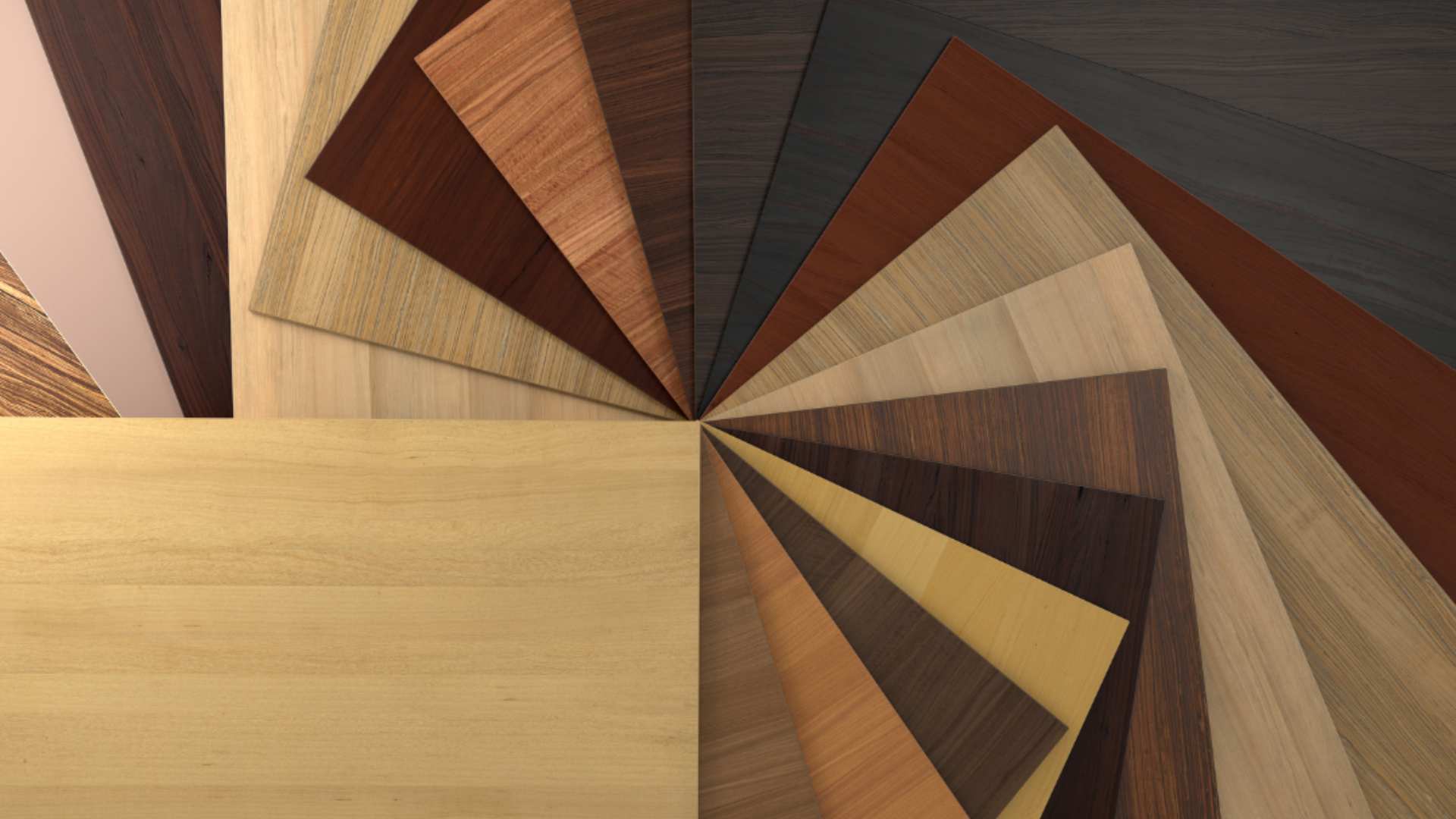
Luxury furniture quality is defined not by brand names or price tags but by the scientific engineering of materials, meticulous construction, ergonomic intelligence, and long-term performance. In high-end residential interiors, solid wood, veneer, and engineered cores each serve specific purposes when applied correctly. Solid hardwoods such as American walnut, European oak, and ash provide exceptional structural stability, natural aging characteristics, and a tactile warmth that develops over decades. Engineered cores, when reinforced and veneered with precision, offer dimensional stability, reduce the risk of warping, and provide cost-effective durability while maintaining a refined visual presence. Veneers, when applied over well-engineered cores, can achieve a balance of aesthetic sophistication and structural integrity, illustrating that luxury furniture is as much about internal engineering as external appearance.
For first-time homeowners, understanding these material distinctions is critical to making informed decisions. The difference between full-grain leather and corrected or bonded leather, performance fabrics versus decorative textiles, and treated metals versus low-grade alloys directly impacts long-term durability, comfort, and maintenance. According to the 2025 European Furniture Durability Report, solid hardwood frames retain approximately 68% of their original structural performance after twenty years, whereas lower-quality composite or engineered alternatives retain less than 45%. This stark contrast underscores how careful material selection translates into tangible long-term value, user satisfaction, and safety. Homeowners who prioritize material intelligence are investing in pieces that evolve gracefully with their homes and family needs, rather than succumbing to short-term trends or visual appeal alone.
Ergonomic precision is another essential dimension of true luxury. Comfort is measurable and systematic, not purely subjective. Seat heights, cushioning density, lumbar support, backrest angles, and armrest dimensions are calibrated to reduce fatigue, promote healthy posture, and enhance user experience. For instance, lounge chairs designed with seat heights between 420–450 mm and back angles of 100–110 degrees have been shown to accommodate a wide range of body types comfortably, even over extended periods. Ergonomic design ensures that furniture is functional for everyday living, supporting a natural range of motion and enhancing emotional satisfaction. This human-centered approach demonstrates that luxury furniture is not only visually appealing but also scientifically validated in its usability.
Construction and craftsmanship amplify material performance and ensure durability. High-end furniture relies on traditional and precision techniques such as mortise-and-tenon joinery, dowel reinforcement, corner block strengthening, and precision-fitted hardware to withstand repeated stress without deformation. Premium drawer slides, hinges, and reclining mechanisms are typically tested for tens of thousands of cycles, guaranteeing smooth operation and tactile reliability. By contrast, pieces constructed with stapled joints, cam-lock mechanisms, or low-density composite cores are prone to early failure, often resulting in higher long-term costs and diminished user satisfaction. Inspecting interior frames, undersides, and hidden structural elements is crucial for assessing authentic quality, and such scrutiny reveals the difference between decorative furniture and true luxury investment pieces.
Lifecycle adaptability further distinguishes high-end furniture. Pieces designed for reupholstery, refinishing, component replacement, or modular reconfiguration maintain relevance over decades, accommodating evolving spatial, aesthetic, and functional needs. The 2025 McKinsey Home Living Study reports that households that prioritize durable and adaptable furniture incur 27% lower replacement costs over ten years compared to those who follow trend-driven consumption patterns. Clients who invest in a smaller number of high-quality, adaptable pieces often achieve interiors that remain cohesive, functional, and visually refined over decades, demonstrating both economic prudence and long-term lifestyle planning.
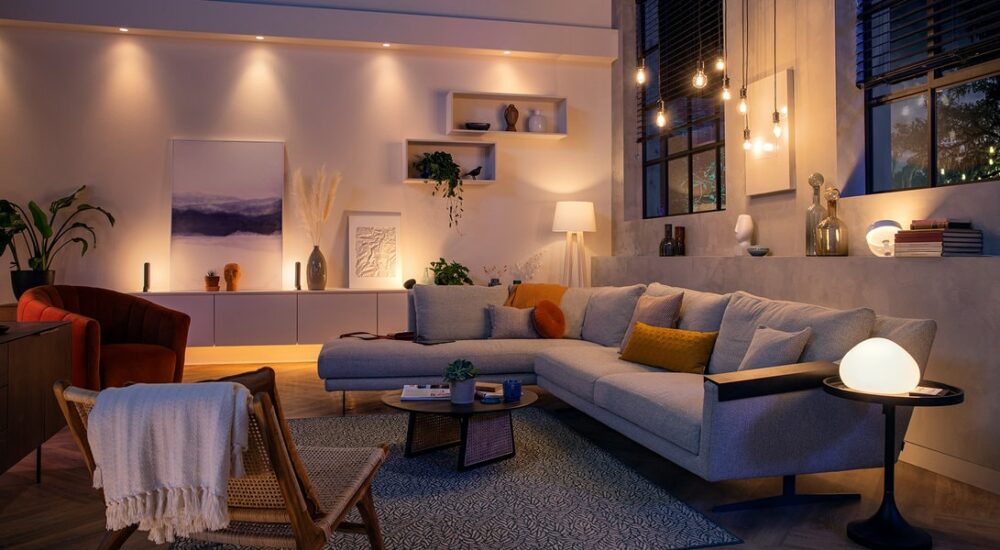
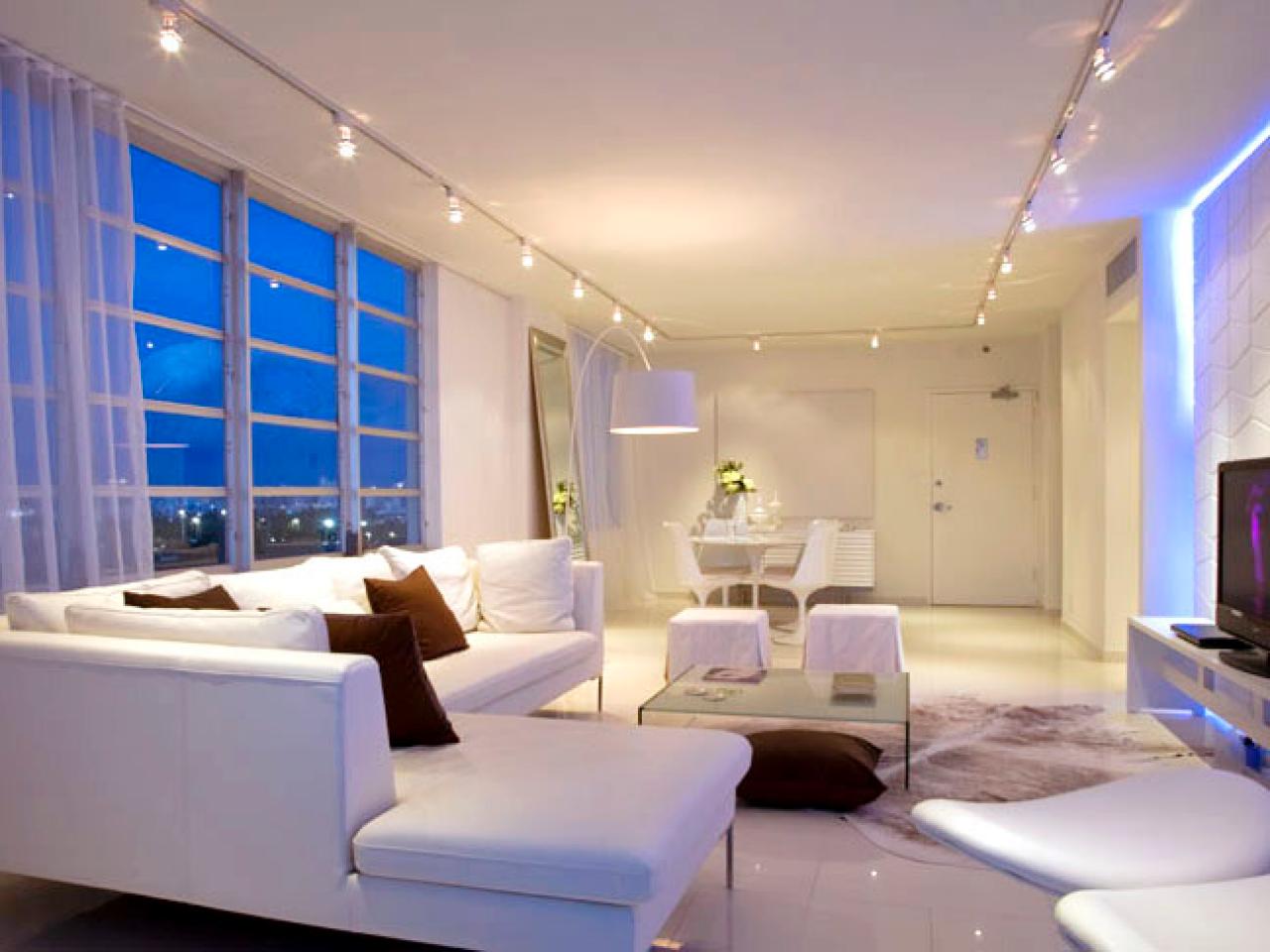
Integration of furniture within the spatial and sensory environment enhances experiential value. Properly placed seating, tables, and storage units interact with natural and artificial lighting to highlight textures, finishes, and material nuances. Spatial planning ensures intuitive circulation, seamless access, and visual harmony, contributing to a perception of order, sophistication, and luxury. Furniture in high-end interiors is never isolated; it functions as part of a holistic ecosystem, interacting with lighting, color schemes, architectural details, and human behavior to create an immersive and dynamic environment. These spatial considerations underscore that true luxury is experiential, tactile, and visually coherent.
Sustainability considerations are increasingly central to modern luxury furniture selection. Responsibly sourced woods, recyclable metals, low-impact finishes, and durable engineered composites align ecological responsibility with functional longevity. Evaluating furniture through the lens of lifecycle analysis, environmental impact, and maintenance requirements allows homeowners to invest in pieces that deliver ethical value without compromising aesthetic sophistication. This approach demonstrates professional authority and reinforces the credibility of both the designer and the investment.
Lighting, ergonomics, and accessory integration are also essential. Proper furniture placement can enhance natural light reflection, accentuate materials, and improve functionality in everyday use. Ergonomic considerations extend beyond seating to tables, storage, and work surfaces, ensuring that all interactions with furniture are comfortable, safe, and intuitive. Integrated lighting, tactile surfaces, and visually engaging materials combine to create spaces that are not only functional but emotionally resonant, supporting both physical comfort and psychological well-being.
In conclusion, understanding the engineering, material intelligence, craftsmanship, ergonomic precision, spatial integration, and sustainability of furniture transforms the act of furnishing into a long-term, informed investment. For new homeowners, distinguishing between superficial appearance, brand prestige, and actual performance is critical to creating interiors that endure both functionally and aesthetically. True luxury is measured in tangible durability, comfort, adaptability, sensory richness, and environmental responsibility. By prioritizing these criteria, homeowners ensure that each piece of furniture contributes to a cohesive, elegant, and experientially rich environment that remains relevant and refined for decades, setting a benchmark for professional excellence and sustainable, high-end residential living.

David Chen
January 18 2025Your guide to kitchen renovation is incredible! I've already started implementing the layout changes you suggested, and I'm seeing a noticeable improvement in the functionality of my space. The tips on budget management have been especially helpful.
ReplySarah Johnson
January 16 2025As a first-time renovator, I found your insights on choosing the right contractors invaluable. The section on checking references and licenses has saved me from potential headaches, and my bathroom remodel is now underway! Thank you for sharing such practical renovation advice!
Reply