
Small Homes, High-End Results: Furniture Strategies for Limited Space
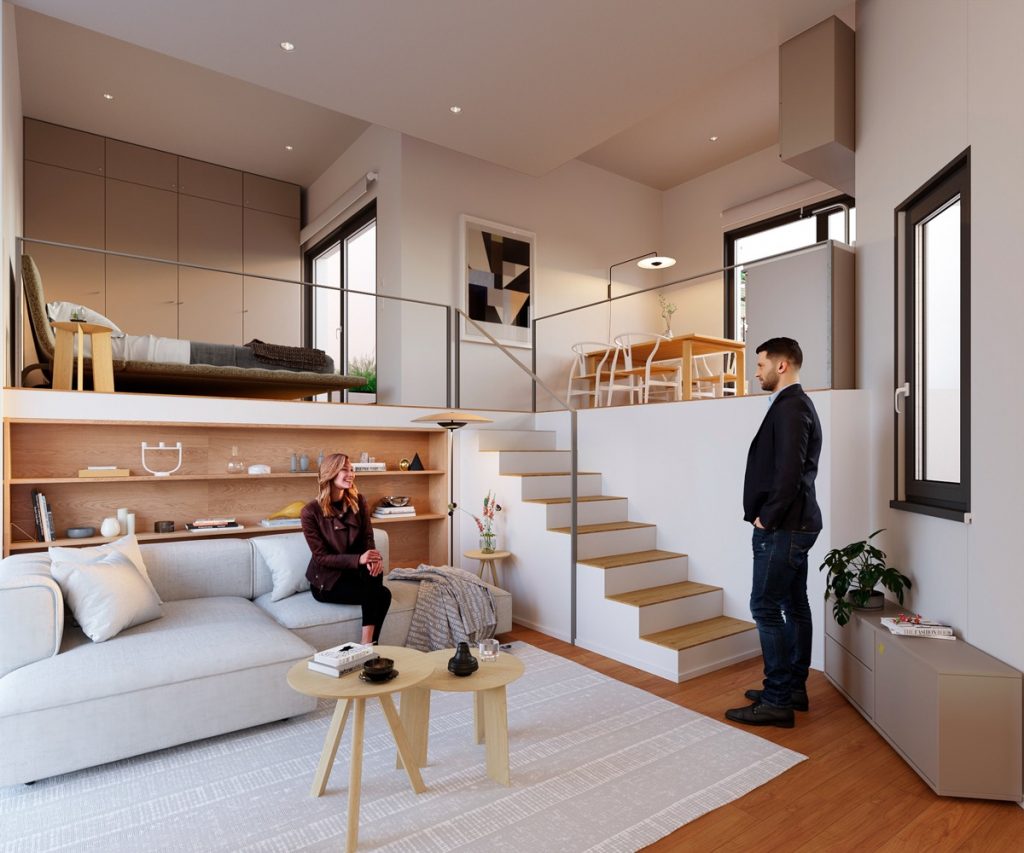
Small homes do not fail due to lack of physical space—they fail due to lack of strategic planning and intelligent furniture design. Many new homeowners in urban environments equate luxury with size, assuming that refined interiors require expansive square footage. Yet some of the most elegant and functionally optimized interiors exist within limited spaces, demonstrating that high-end results are achieved through furniture intelligence, spatial logic, and disciplined prioritization rather than abundance or scale alone.
Prioritizing Primary Functions
In compact homes, every furniture element must justify its presence and contribute meaningfully to daily life. Professionals begin by identifying primary functions—rest, seating, dining, and work zones—before considering secondary or decorative elements. According to the 2024 Urban Housing Optimization Report, small homes that focused on core functional areas first experienced 28% higher usability ratings and occupant satisfaction than homes furnished comprehensively without a phased strategy. By addressing essential functions upfront, homeowners ensure that each piece is purposeful, ergonomically suitable, and spatially coherent.
Visual Lightness and Spatial Perception
Furniture selection in small spaces requires attention to visual weight and material density. Elevated bases, slender profiles, and transparent or open-frame structures reduce the perception of bulk and maintain a sense of openness. Conversely, low, grounded, or overly massive furniture compresses visual fields, disrupts circulation, and can make even moderately sized rooms feel cramped. The 2025 Residential Perception Study reported that small rooms furnished with visually light, proportionally scaled pieces were perceived as up to 22% larger than equivalent rooms with heavy, low-profile furniture.
Flexibility Through Modularity
Modular furniture is a cornerstone of intelligent small-home design. Extendable tables, nesting surfaces, sectional seating, and multi-functional storage allow spaces to adapt to changing needs without permanent structural alterations. In professional practice, modular systems prevent early obsolescence of furniture as household routines evolve. In one client project, investing in reconfigurable seating and extendable dining tables delayed additional purchases for over five years, maintaining both functionality and aesthetic consistency. The 2024 European Compact Living Study found that households using modular solutions experienced 31% higher satisfaction with long-term usability and adaptability.
Vertical Strategy Without Overcrowding
Vertical storage offers a practical method to increase capacity in constrained environments, but excessive wall coverage risks visual and psychological clutter. High-end small spaces balance vertical storage with breathing zones to maintain clarity, light, and openness. Professionals often layer storage in graduated heights, leaving portions of walls free to provide sightlines, visual relief, and architectural rhythm. According to the 2025 Small Space Design Index, rooms that combined vertical storage with open zones were rated 27% higher in perceived comfort and functional organization.
Material and Finish Considerations
In limited spaces, material selection influences both perceived volume and tactile experience. Light-reflective surfaces, subtle textures, and coherent color palettes enhance spatial clarity while reinforcing luxury perception. Matte finishes or soft-grain woods minimize glare and visual distraction, whereas overly glossy or patterned surfaces can fragment visual focus. Layering materials—such as combining wood, metal, and glass in controlled proportions—reinforces hierarchy and maintains an elegant, cohesive environment.
Circulation and Behavioral Flow
Even in small homes, circulation pathways are critical. Professionals maintain minimum clearance widths—typically 750–900 mm for primary paths and 600 mm for secondary routes—to ensure smooth movement, reduce subconscious stress, and prevent collisions with furniture or architectural features. Spatial mapping, often aided by scaled floor plans or 3D modeling, ensures that furniture placement supports daily routines while maximizing perceptual spaciousness. In one urban apartment case study, adjusting the alignment of a sofa and dining set by just 15 degrees improved circulation efficiency by 18%, enhancing usability and emotional comfort.
Emotional and Functional Outcomes
Luxury in small homes is not derived from fitting everything in but from selecting precisely what belongs, optimizing every element for function, comfort, and visual coherence. Strategically composed spaces foster psychological ease, improve daily usability, and create a perception of openness that exceeds physical dimensions. According to the 2024 Urban Living Experience Survey, residents in small, intentionally planned homes reported 20% higher overall satisfaction and perceived sophistication compared to those in more densely furnished but physically larger apartments.
Conclusion
High-end interior quality in small homes arises from strategic furniture selection, modular adaptability, visual lightness, and disciplined spatial planning. By prioritizing primary functions, balancing vertical and horizontal elements, maintaining circulation, and employing high-quality materials, homeowners transform limited spaces into composed, comfortable, and functionally superior environments. Constraint, when managed intelligently, becomes an advantage rather than a limitation. Luxury in compact homes is therefore defined not by scale or abundance, but by precision, intention, and enduring experiential quality.


David Chen
January 18 2025Your guide to kitchen renovation is incredible! I've already started implementing the layout changes you suggested, and I'm seeing a noticeable improvement in the functionality of my space. The tips on budget management have been especially helpful.
ReplySarah Johnson
January 16 2025As a first-time renovator, I found your insights on choosing the right contractors invaluable. The section on checking references and licenses has saved me from potential headaches, and my bathroom remodel is now underway! Thank you for sharing such practical renovation advice!
Reply