
Scale, Proportion, and Visual Weight: The Science Behind Balanced Interiors
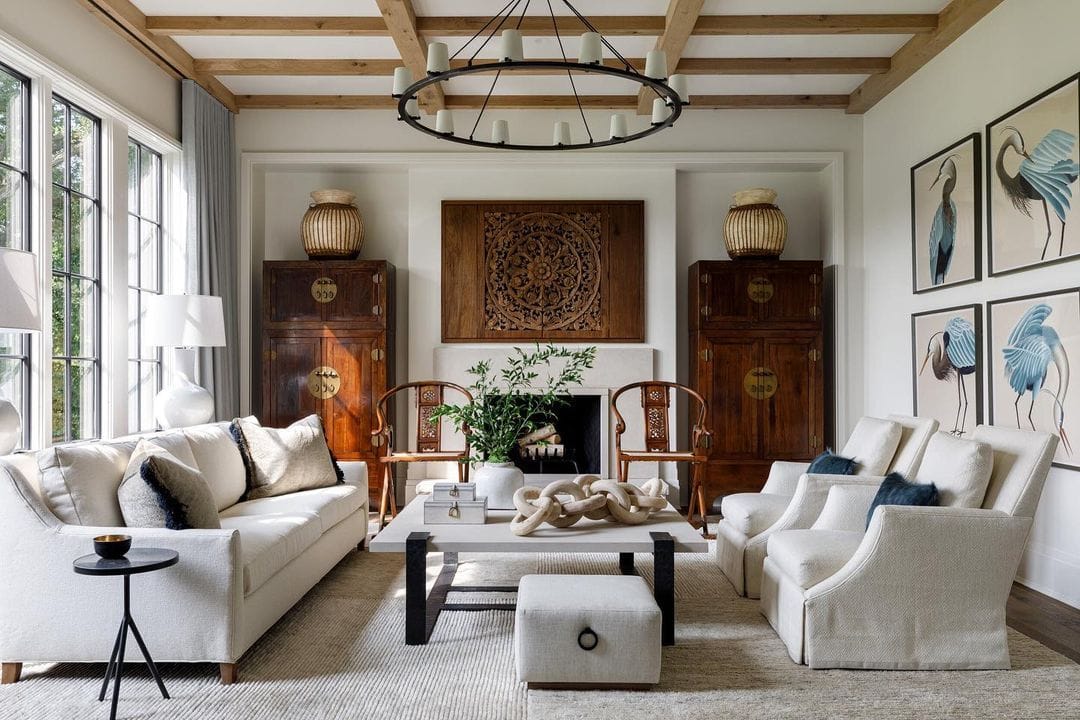
Balance in high-end residential interiors is rarely accidental. Homes that feel calm, refined, and visually confident rely on precise relationships between furniture scale, proportion, and visual weight. Many new homeowners focus on individual pieces without understanding how these elements interact as an integrated system. Professional designers recognize that high-end interiors succeed because these relationships are intentionally calibrated to optimize spatial harmony, visual authority, and functional efficiency.
Understanding Scale Beyond Measurements
Scale refers to how furniture relates to human dimensions and the volume of a room. A sofa may technically fit within a floor plan, yet feel oppressive if its height, depth, and visual mass overwhelm sightlines. According to the 2025 Residential Perception Study, occupants perceived rooms with correctly scaled furniture as 17% larger than identically sized rooms furnished with oversized pieces. Effective scale evaluation considers seating height, backrest elevation, arm thickness, and overall footprint in relation to circulation zones and ceiling height. High-end designers often use scaled mockups or digital visualizations to ensure that each piece feels proportional and human-centric within its spatial context.
Proportion as Relationship, Not Size
Proportion describes how furniture elements relate to one another across a room, not merely their individual size. A dining table that appears visually heavy may require lighter chairs, benches, or accent elements to restore equilibrium. High-end furniture collections are frequently designed with internal proportional logic, ensuring that pieces coexist harmoniously and reinforce the intended spatial rhythm. Mixing furniture from unrelated proportional systems often creates visual dissonance, even when each piece is aesthetically appealing. Professionals address this by repeating line weights, heights, material densities, or texture patterns across the interior to establish coherence and a sense of continuity.
Visual Weight and Material Density
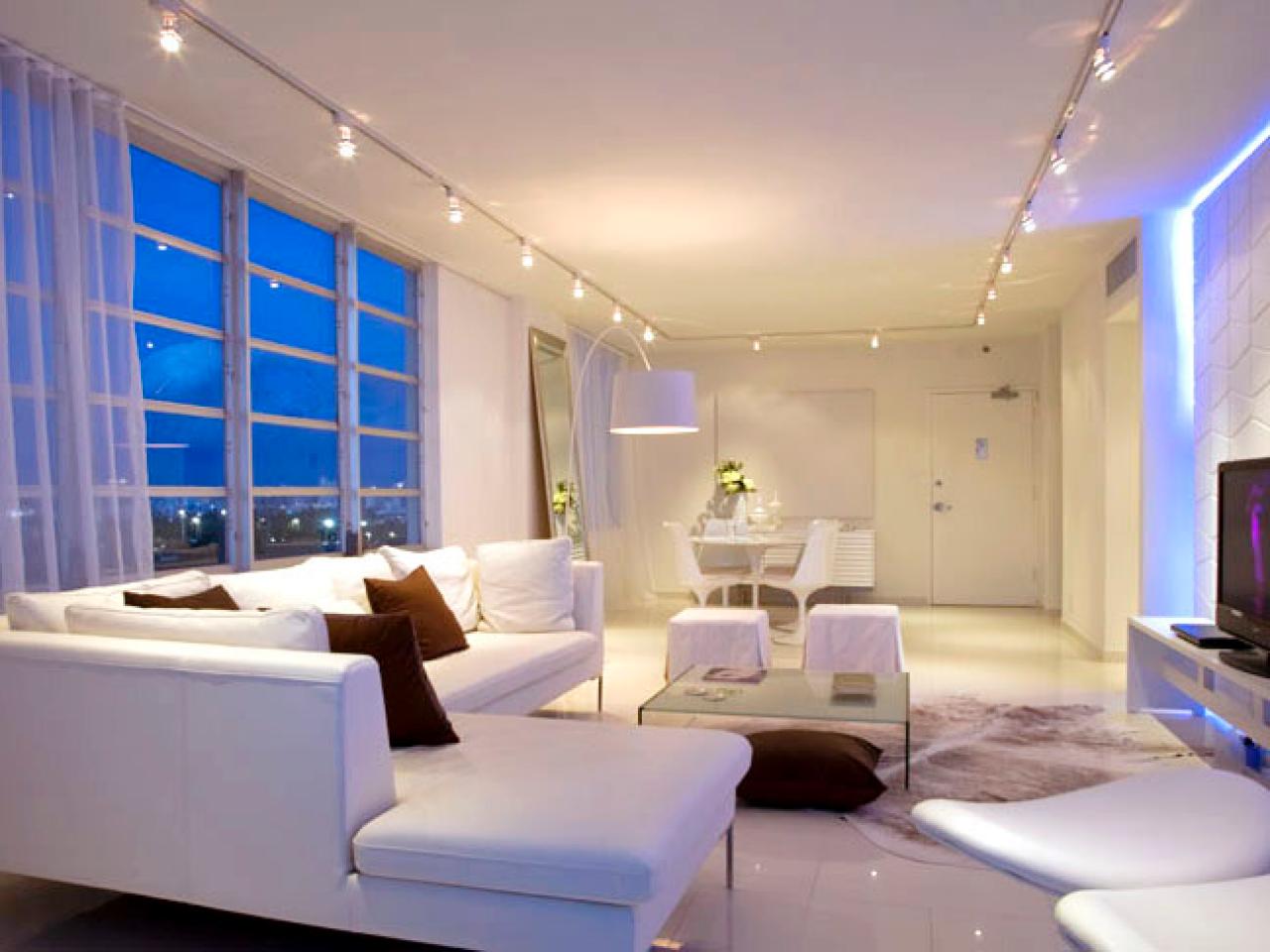
Visual weight is influenced by material, color, texture, and form. Dense, dark woods, thick upholstery, or low-profile silhouettes feel heavier than light finishes, open frames, or elevated furniture. Strategic distribution of visual weight is essential to prevent spaces from feeling lopsided or overgrounded on one side. For example, in a living room with a substantial sofa, vertical elements such as tall shelving units, sculptural lighting, or artwork can counterbalance mass and maintain equilibrium. Layered textures and color accents further modulate perceived weight, ensuring the interior feels visually cohesive and materially rich.
Spatial Harmony Through Deliberate Placement
High-end interior balance extends beyond individual pieces to the orchestration of furniture clusters, circulation paths, and sightlines. Designers consider how each object interacts with others to create intuitive movement, comfortable social zones, and clear focal points. In a 2024 European Residential Spatial Analysis, homes planned with deliberate balance between furniture mass and negative space achieved 22% higher occupant satisfaction in perceived comfort and spatial clarity. Negative space acts as visual breathing room, allowing dominant pieces to assert presence while maintaining a relaxed, uncluttered atmosphere.
The Perceived Value of Balanced Interiors
Balanced interiors communicate intention and elevate perceived value, independent of total expenditure. The 2024 Luxury Housing Insight Report found that occupants rated homes with evenly distributed visual weight and proportionally coherent furniture as 24% higher in perceived luxury compared to interiors with disproportionate or randomly scaled furnishings. This explains why some modestly furnished homes feel refined and authoritative, while interiors with expensive but uncoordinated furniture feel visually unsettled. Balanced design thus directly impacts both aesthetic satisfaction and the perceived prestige of the residence.
Integrating Functionality with Balance
Balance in high-end interiors is not purely visual; it integrates functionality, ergonomics, and human experience. Circulation paths are evaluated alongside furniture mass to prevent congestion, ensure intuitive movement, and maintain comfortable access to storage, seating, and work surfaces. Professional designers maintain recommended clearance zones—900–1100 mm for primary circulation routes and 700–850 mm for secondary paths—to support comfort and usability. These guidelines ensure that furniture harmony enhances daily life rather than merely visual impression.
Lighting and Material Interaction
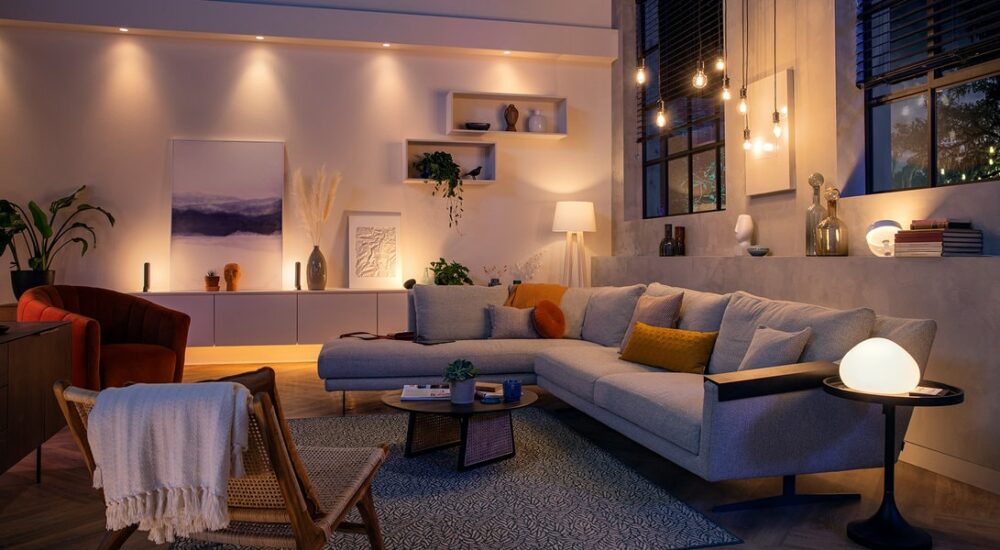
Balanced interiors also rely on deliberate lighting strategies. Layered ambient, task, and accent lighting highlights furniture scale, proportion, and material qualities, reinforcing spatial hierarchy and depth. For instance, directional light accentuates the volume of a sofa or the texture of cabinetry, while diffused ambient lighting maintains overall spatial coherence. Reflective surfaces, natural light integration, and carefully positioned accent lighting contribute to equilibrium between heavy and light visual elements, emphasizing the experiential quality of luxury interiors.
Conclusion
Scale, proportion, and visual weight operate as a silent but measurable science within successful high-end interiors. New homeowners who understand these principles move beyond mere decoration toward spatial mastery, achieving interiors that are visually coherent, functionally intuitive, and experientially satisfying. Luxury in residential design emerges not from accumulation or ornamentation, but from disciplined, intentional relationships between objects, space, and human perception. By calibrating furniture size, relationships, and visual mass, complemented by circulation planning and lighting orchestration, homeowners can create spaces that feel expansive, balanced, and enduringly refined.


David Chen
January 18 2025Your guide to kitchen renovation is incredible! I've already started implementing the layout changes you suggested, and I'm seeing a noticeable improvement in the functionality of my space. The tips on budget management have been especially helpful.
ReplySarah Johnson
January 16 2025As a first-time renovator, I found your insights on choosing the right contractors invaluable. The section on checking references and licenses has saved me from potential headaches, and my bathroom remodel is now underway! Thank you for sharing such practical renovation advice!
Reply