
Reupholster and Refinish: Extending the Life of High-End Furniture
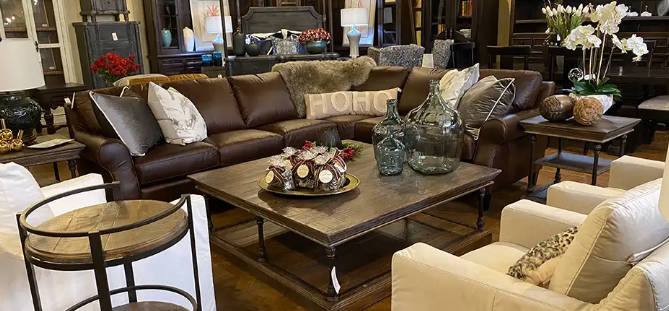
High-end furniture achieves its highest value not when it is simply purchased, but when it can adapt and evolve over decades through careful reupholstery, refinishing, and periodic maintenance. Many new homeowners mistakenly assume that furniture is static—that once selected, it must be replaced when wear becomes visible or preferences change. This misconception obscures the true potential of luxury pieces. Understanding the capacity for material renewal and planning for long-term care ensures sustained beauty, functional integrity, and financial efficiency, transforming furniture from transient décor into enduring infrastructure within the home.
Assessing Reupholstery Potential: Structural Foundations
The feasibility of reupholstering a furniture piece depends primarily on its underlying construction and internal support systems. Solid hardwood frames, reinforced joints, and resilient cushion cores are essential prerequisites for repeated reupholstery cycles without compromising comfort or durability. According to the 2025 American Furniture Longevity Report, well-constructed high-end sofas with kiln-dried hardwood frames and elastic webbing or sinuous spring systems can undergo up to three complete reupholstery cycles over 20 years while retaining ergonomic performance and structural integrity. In contrast, low-density composite frames or stapled construction often fail after a single refurbishment, rendering renewal impractical.
Homeowners should evaluate the internal frame, joint reinforcement, and cushion construction before purchase, as these elements determine whether a piece can support long-term renewal. Professional consultants often examine undersides, corners, and interior padding to verify frame robustness, ensuring that future interventions will not compromise either aesthetics or function.
Fabric Choice and Material Longevity
Selecting high-quality upholstery materials at the outset is crucial to maximizing reupholstery potential. Full-grain aniline leather, semi-aniline leather, and tightly woven natural fiber blends offer exceptional durability, tactile comfort, and resilience to wear. Synthetic fabrics, low-grade bonded leathers, or loosely woven textiles typically deteriorate faster than the supporting frame, limiting the effectiveness of renewal efforts. The 2024 Residential Textile Performance Study found that fabrics rated above 30,000 double rubs in abrasion testing maintained visual integrity and tactile resilience over 40% longer than lower-rated alternatives, enabling multiple reupholstery cycles without noticeable degradation in comfort or appearance.
Additionally, homeowners should consider colorfastness, stain resistance, and UV exposure when choosing materials. Durable fabrics that age gracefully allow reupholstery to refresh aesthetics without introducing mismatched or incongruous textures, maintaining cohesive visual authority throughout the home. Professionals often recommend a combination approach: selecting tactile premium fabrics for primary seating and performance-grade textiles for secondary or high-traffic areas, creating a balance between longevity and everyday usability.
Refinishing Wood and Veneer: Preserving Surface Authority
Surface wear, scratches, and discoloration do not necessitate furniture replacement. High-quality solid wood and premium veneers can be restored through sanding, staining, or refinishing, often multiple times over the furniture’s lifecycle. The frequency of refinishing depends on environmental conditions, usage patterns, and material type, but professionals generally recommend intervals of 7–12 years for heavily used pieces in residential settings. The 2025 International Wood Preservation Study emphasizes that periodic refinishing not only restores surface aesthetics but also reinforces protective coatings, reducing susceptibility to moisture, micro-cracking, and finish degradation.
Homeowners should coordinate refinishing with material-specific products and professional techniques. For instance, solvent-based stains and UV-resistant topcoats enhance the longevity of oak and walnut surfaces, while veneer refinishing requires careful edge treatment to prevent delamination. Properly executed, refinishing maintains structural integrity while renewing visual richness, reinforcing the perception of luxury and deliberate design intent.
Financial and Emotional Value: Beyond Replacement
Reupholstery and refinishing extend both functional and emotional value. High-end furniture often carries significant sentimental investment, representing careful selection and personal taste. Clients who plan for renewal cycles retain emotional attachment while deferring replacement costs, achieving financial efficiency without sacrificing quality or experience. One documented case involved a 15-year-old walnut dining set: through two refinishing treatments and one complete reupholstery cycle, the set preserved both visual authority and ergonomic functionality, avoiding the expense and disruption of full replacement.
From a financial perspective, systematic renewal is often more cost-effective than repeated new purchases of lower-quality alternatives. According to the 2024 Global Home Furnishing Lifecycle Study, households that leveraged reupholstery and refinishing interventions realized up to 27% lower cumulative furnishing costs over a decade compared to trend-driven replacement cycles, demonstrating that strategic maintenance is both economically prudent and sustainable.
Planning for Long-Term Adaptability
High-end furniture should be selected not only for immediate comfort and aesthetics but also for adaptability over decades. Homeowners are encouraged to maintain documentation on material types, cushion specifications, and manufacturer care guidelines to facilitate future interventions. This proactive approach allows for seamless reupholstery, refinishing, or component replacement, ensuring that furniture evolves with lifestyle changes rather than becoming obsolete.
Moreover, adaptable design supports spatial and functional flexibility. Modular sofas, sectional seating with replaceable covers, and dining chairs with interchangeable upholstery exemplify products that combine initial luxury with long-term adaptability. When paired with high-quality frames and careful maintenance, such systems maintain both aesthetic cohesion and functional performance, embodying the true essence of luxury.
Conclusion
Reupholstery and refinishing are central strategies for maximizing the value and longevity of high-end furniture. New homeowners who understand and plan for these renewal cycles gain multiple advantages: sustained comfort, preserved aesthetics, financial efficiency, and emotional satisfaction. True luxury furniture is not static; it evolves with time, environment, and lifestyle, offering enduring authority, tactile pleasure, and visual richness. By integrating material intelligence, maintenance foresight, and professional guidance, homeowners ensure that their interiors remain refined, functional, and experientially rich for decades, transforming initial acquisition into a legacy of enduring quality.

David Chen
January 18 2025Your guide to kitchen renovation is incredible! I've already started implementing the layout changes you suggested, and I'm seeing a noticeable improvement in the functionality of my space. The tips on budget management have been especially helpful.
ReplySarah Johnson
January 16 2025As a first-time renovator, I found your insights on choosing the right contractors invaluable. The section on checking references and licenses has saved me from potential headaches, and my bathroom remodel is now underway! Thank you for sharing such practical renovation advice!
Reply