
Psychology of Accessory Purchases: Avoiding Impulse Mistakes

Accessories—such as rugs, cushions, lamps, artworks, and decorative objects—play a critical role in completing an interior, yet they are also the most common source of visual disorder, wasted budget, and long-term dissatisfaction. For new homeowners, accessories feel approachable: they are smaller, less expensive individually, and emotionally rewarding to purchase. However, without a strategic framework, accessories can undermine spatial clarity, disrupt hierarchy, and dilute the authority established by high-end furniture. In professional interior practice, accessories are treated not as spontaneous additions, but as controlled instruments that refine an already stable system.
Why Accessories Are the Most Dangerous Purchases
Unlike anchor or secondary furniture, accessories are rarely constrained by strict spatial logic. They do not define circulation, they do not require structural integration, and they are heavily influenced by trends and emotional appeal. This combination makes them particularly vulnerable to impulse buying. Promotional discounts, seasonal color stories, and social media inspiration trigger rapid decisions disconnected from the actual spatial context of the home.
The problem is not the accessories themselves, but their cumulative effect. Individually attractive objects can collectively create visual noise, fragmenting attention and weakening the calm authority that defines luxury interiors. Homes overwhelmed by accessories often feel cluttered, restless, or stylistically confused—even when the underlying furniture is high quality.
Psychological Triggers Behind Impulsive Accessory Buying
New homeowners are especially susceptible to accessory overconsumption. After investing heavily in a new home, there is a strong emotional desire for immediate completion. Accessories promise fast gratification and visible progress. This is compounded by fear of emptiness: unfinished rooms are misinterpreted as failures rather than intentional stages.
Trend exposure further accelerates impulsivity. Color-of-the-year palettes, viral styling trends, and showroom vignettes encourage homeowners to replicate looks without understanding scale, proportion, or long-term relevance. According to a 2024 Residential Consumer Behavior Study, over 62% of first-time homeowners reported purchasing decorative accessories they later removed or replaced within two years due to visual fatigue or mismatch.
Decoupling Accessories from Core Furniture Decisions
Professionals deliberately separate accessory purchasing from anchor and secondary furniture selection. Anchor pieces establish spatial authority, secondary pieces support function, and only then are accessories introduced to refine atmosphere. When accessories are purchased too early, they begin to dictate decisions they should only support.
For example, selecting rugs before sofas often forces compromises in seating scale or layout. Buying statement lamps before defining circulation can introduce glare or visual imbalance. Decoupling these decisions preserves hierarchy and prevents accessories from assuming disproportionate influence.
Strategic Role of Accessories in High-End Interiors
Accessories serve three primary functions in luxury interiors: modulation, connection, and emphasis.
Modulation refers to softening or balancing the visual weight of furniture. Rugs ground seating zones, cushions adjust comfort and color density, and curtains regulate light and acoustics. These elements fine-tune an environment rather than define it.
Connection involves linking disparate furniture elements into a cohesive system. Repeating textures, materials, or tonal values through accessories creates visual continuity without uniformity.
Emphasis allows selective highlighting of focal points. A sculptural lamp reinforces a reading corner; a carefully scaled artwork anchors a wall without overpowering it. Emphasis should be deliberate and limited—too many focal points dissolve hierarchy.
Accessories that do not serve at least one of these roles are often unnecessary.
Proportion and Scale Discipline
One of the most common accessory mistakes is ignoring scale. Rugs that are too small fragment seating areas. Cushions that are oversized or overly abundant diminish the clarity of seating forms. Lamps that are too short or tall disrupt visual rhythm and comfort.
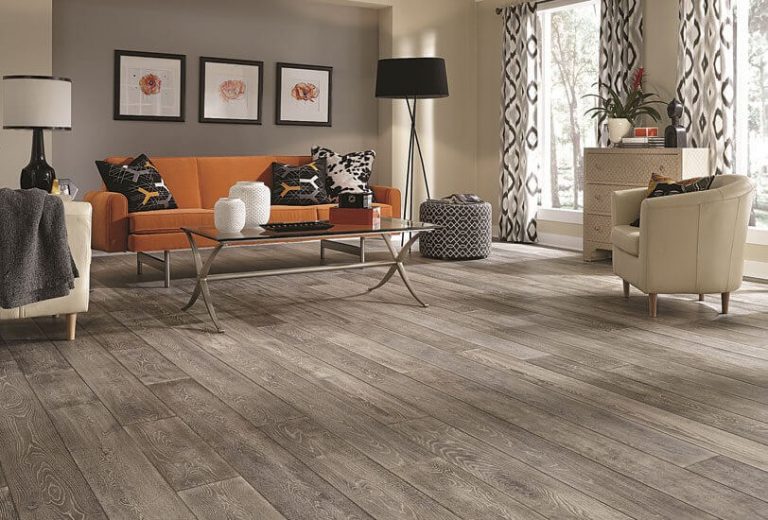
Professionals assess accessories relative to anchor furniture, not in isolation. A rug must extend beyond the seating footprint to feel intentional. Cushions should enhance ergonomics without obscuring upholstery lines. Decorative objects should relate to surface dimensions and sightlines, avoiding edge crowding or excessive stacking.
Color and Texture as Controlled Variables
High-end interiors rarely rely on accessories for dramatic color shifts. Instead, accessories modulate tone and texture within a restrained palette. This approach prevents trend exhaustion and supports longevity.
Texture contrast—soft against hard, matte against polished—adds depth without visual chaos. However, uncontrolled texture accumulation can feel restless. Professionals typically limit dominant textures within a room and repeat them strategically rather than introducing constant variation.
Phased Acquisition: Living Before Layering
One of the most effective strategies for accessory control is phased acquisition. After anchor and secondary furniture are installed, homeowners are encouraged to live in the space for weeks or months before adding accessories. This period reveals real behavioral patterns: where light is needed, where surfaces are used, where comfort adjustments are beneficial.
Functional accessories come first. Lighting for reading, rugs for acoustics and grounding, and window treatments for privacy are prioritized. Decorative objects are introduced last, in limited quantities, once the space’s natural rhythms are understood.
This phased approach dramatically reduces regret purchases and allows accessories to respond to lived experience rather than imagined scenarios.
Financial Efficiency and Long-Term Value
Accessories are often perceived as low-risk purchases due to their lower individual cost. In reality, repeated accessory replacement is a major source of wasted expenditure. Frequent trend-driven updates erode financial efficiency and create disposal waste.
Strategic accessory planning aligns spending with longevity. Neutral, high-quality rugs, timeless lighting forms, and restrained decorative objects age more gracefully and remain adaptable across future layout changes. This preserves both financial and aesthetic value.
Emotional Restraint and Visual Calm
Luxury interiors communicate confidence through restraint. Spaces overloaded with accessories often signal indecision or insecurity rather than richness. Visual calm allows occupants to relax, focus, and emotionally settle into the environment.
Professionals often remove accessories rather than add them during final styling phases. Subtraction clarifies hierarchy and restores authority to furniture and architecture. Homeowners who adopt this mindset experience greater satisfaction and less compulsion to constantly adjust their interiors.
Conclusion
Accessories are powerful tools—but only when governed by strategy. By understanding impulse triggers, decoupling accessory purchases from foundational decisions, respecting scale and proportion, and adopting a phased acquisition approach, new homeowners can harness accessories to enhance rather than undermine their interiors.
True luxury is not expressed through abundance of objects, but through disciplined selection and intentional placement. When accessories are introduced as thoughtful refinements rather than emotional reactions, interiors achieve lasting harmony, visual confidence, and enduring investment value.


David Chen
January 18 2025Your guide to kitchen renovation is incredible! I've already started implementing the layout changes you suggested, and I'm seeing a noticeable improvement in the functionality of my space. The tips on budget management have been especially helpful.
ReplySarah Johnson
January 16 2025As a first-time renovator, I found your insights on choosing the right contractors invaluable. The section on checking references and licenses has saved me from potential headaches, and my bathroom remodel is now underway! Thank you for sharing such practical renovation advice!
Reply