
Open-Plan Living Done Wrong: Furniture Zoning as the Missing Discipline
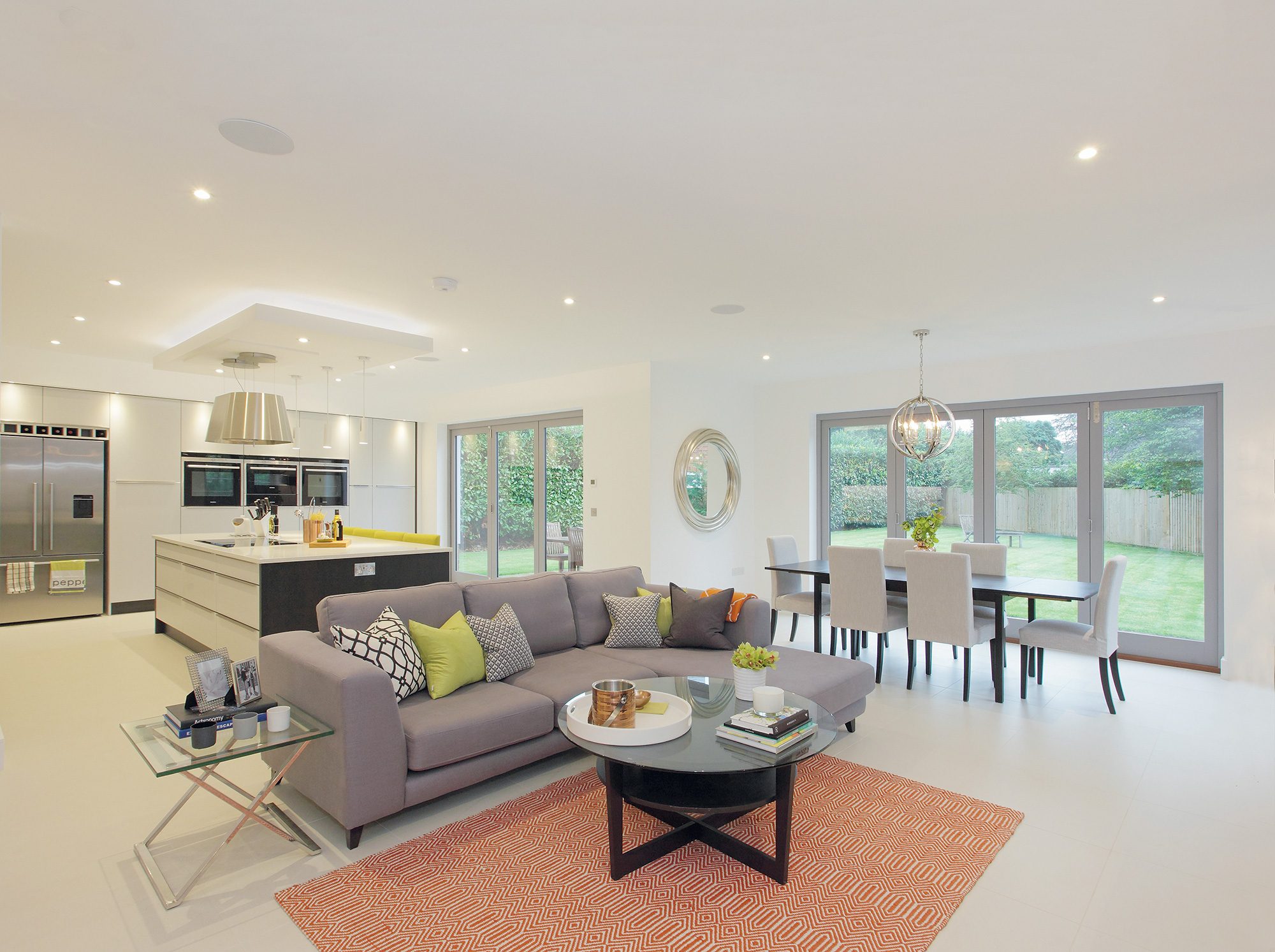
Open-plan living is one of the most misunderstood concepts in modern residential design. Many new homeowners assume that removing walls automatically creates openness, sophistication, and a sense of luxury. Yet without careful spatial planning and furniture intelligence, these homes often feel chaotic, noisy, and visually incomplete. The core issue is not the absence of walls, but the absence of a clearly defined spatial hierarchy, circulation management, and functional zoning enforced through strategic furniture placement.
Common Causes of Open-Plan Failure
In professional practice, open-plan failure is usually linked to undefined zones and a lack of intentional spatial architecture. When living, dining, and kitchen areas float without clear boundaries, furniture loses purpose, circulation paths intersect unpredictably, and the eye cannot find resting points. According to the 2024 Residential Spatial Behavior Survey, 61% of occupants in poorly zoned open-plan homes reported higher mental fatigue and lower satisfaction, despite larger floor areas. This demonstrates that openness alone does not equate to comfort, usability, or perceived luxury.
Furniture as Architectural Substitutes
When walls are removed, furniture must assume the role of spatial architect. Large sofas, shelving systems, room dividers, and modular seating become primary agents in defining boundaries, guiding movement, and creating psychological separation between zones. For example, a sofa placed with its back toward a circulation pathway establishes a soft boundary, while open shelving or console tables delineate spaces without blocking light or visual connection. In practice, homeowners who treat furniture as both functional and architectural report significantly higher clarity, perceived control, and visual coherence.
Zoning and Circulation Management
Effective open-plan design depends on clear circulation paths and intentional furniture orientation. Professionals maintain primary circulation widths of 900–1100 mm and secondary paths of 600–750 mm, ensuring movement feels effortless and unobstructed. Aligning furniture with structural grids, window lines, or ceiling beams reinforces spatial rhythm and visual hierarchy. The 2024 Open Space Spatial Performance Study found that homes with furniture-aligned circulation and zoning scored 28% higher in occupant usability and visual satisfaction than spaces where furniture was placed arbitrarily.
Maintaining Visual Alignment and Hierarchy
High-end open spaces rely on meticulous alignment across furniture axes, heights, and material language. Consistent line weights, matching horizontal planes, and repeated material palettes unify disparate zones. Random orientation or mismatched scales can fragment visual perception, reduce spatial authority, and undermine the perception of luxury. Professionals often create sightlines from multiple vantage points to verify visual coherence and hierarchical clarity before finalizing layout decisions.
Acoustic and Comfort Considerations
Open plans naturally amplify noise, which can compromise perceived comfort and emotional well-being. Upholstered furniture, area rugs, drapery, and acoustic panels serve functional roles as sound moderators. According to the 2025 European Residential Acoustic Assessment, spaces that integrated soft materials into zoning strategies achieved a 22% improvement in perceived comfort and auditory satisfaction in post-occupancy evaluations. Strategic placement of cushions, upholstered seating, and textiles can subtly guide activity zones while reducing echo and reverberation.
Lighting and Ambience Integration
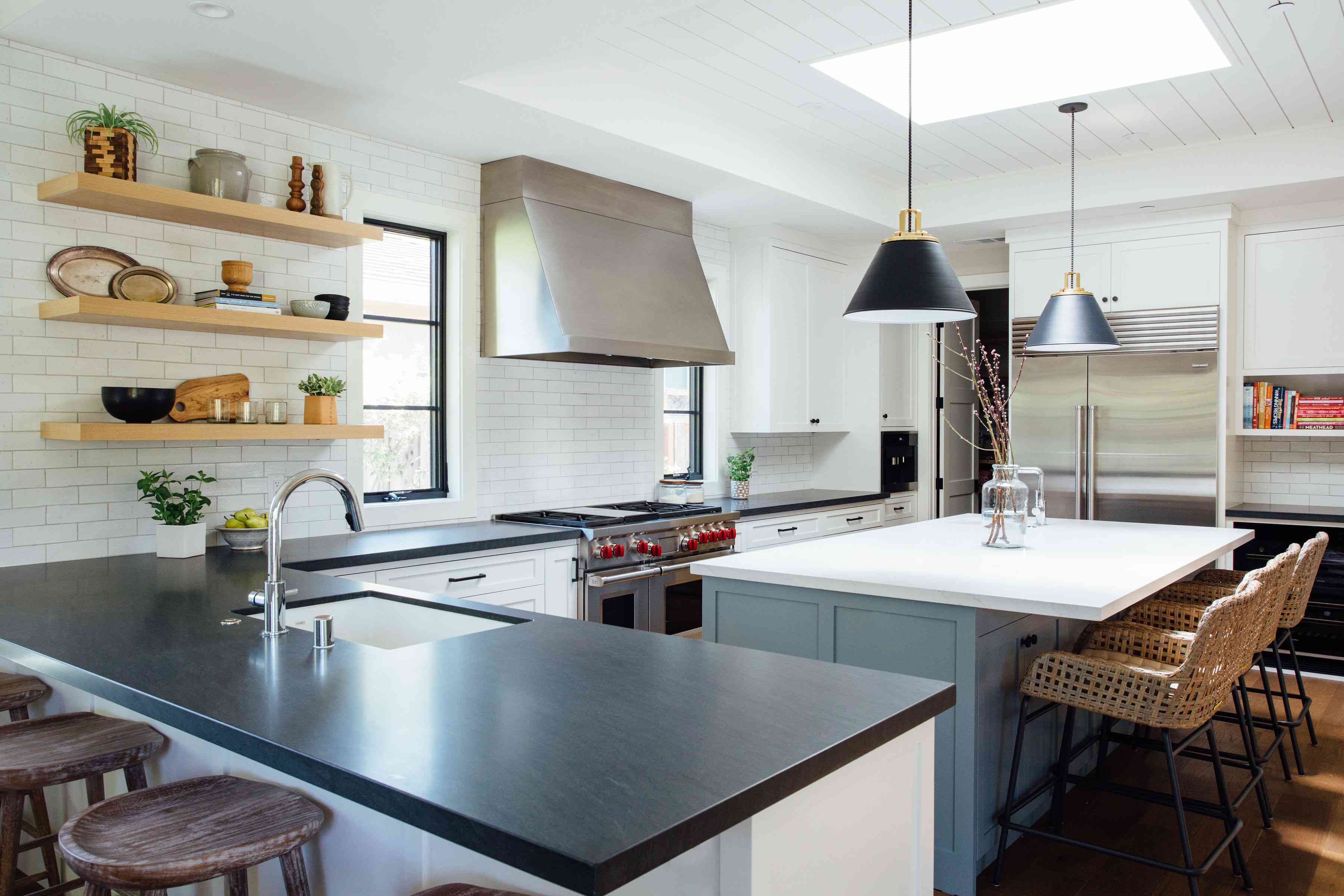
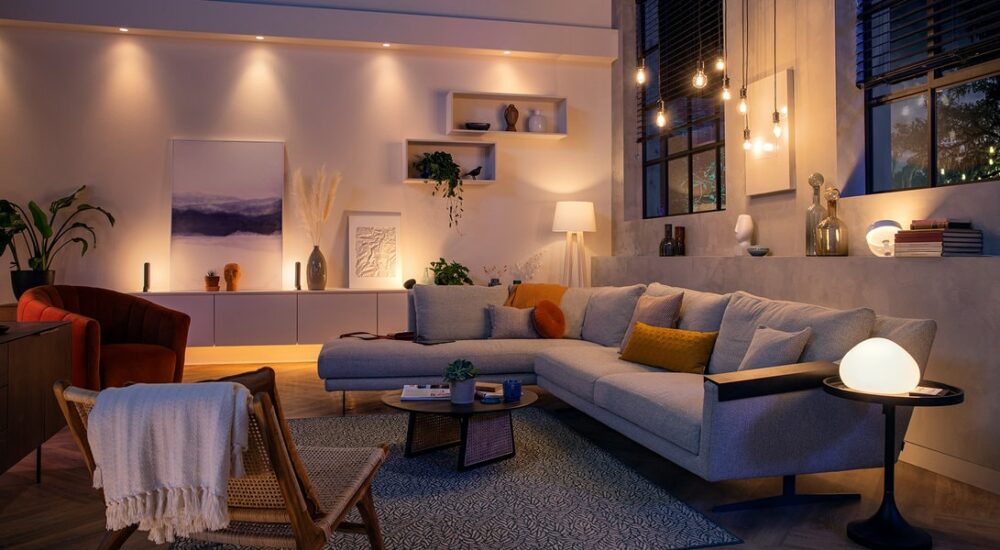
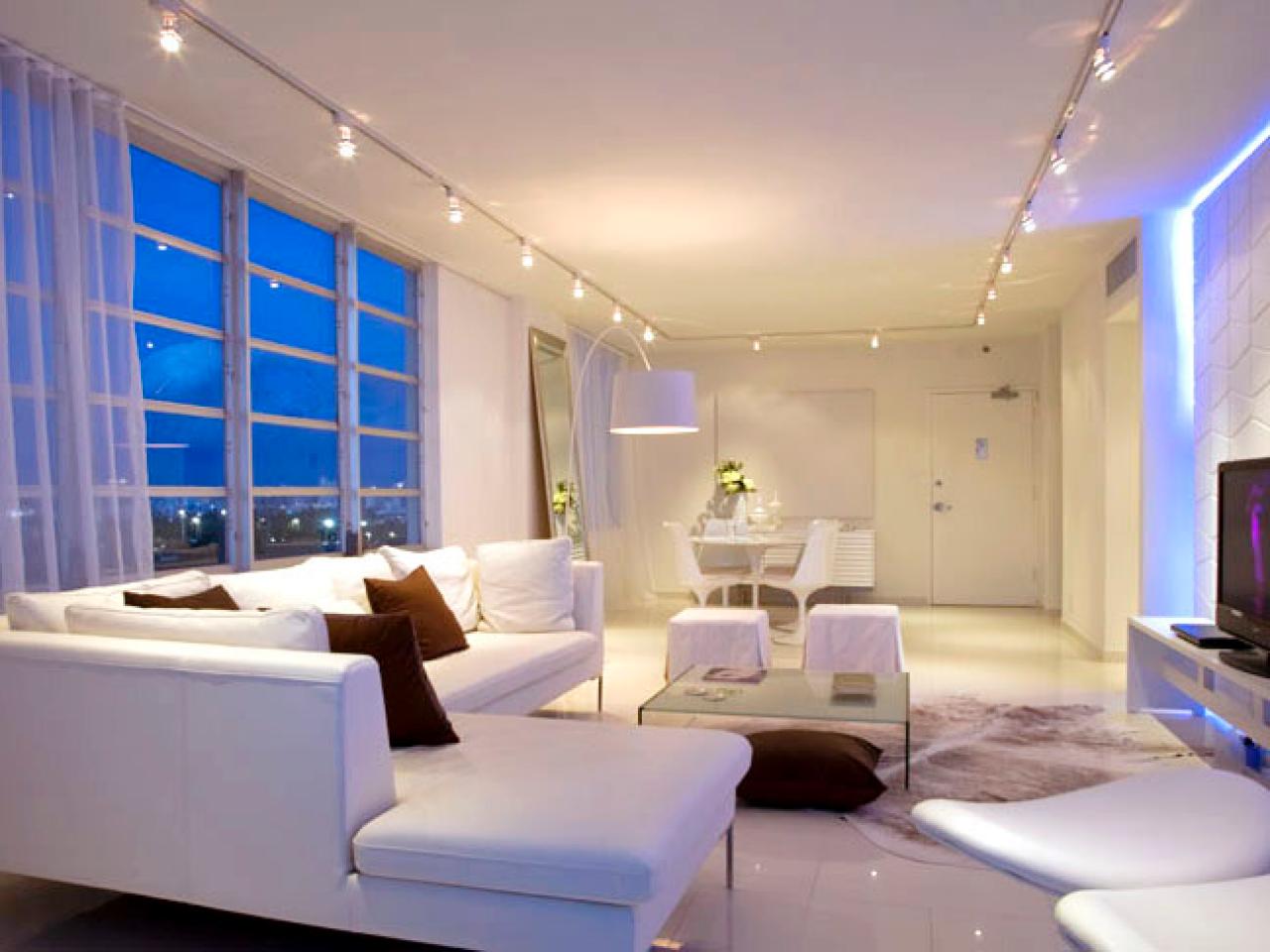
Open-plan spaces require layered lighting to reinforce zoning and mood. Ambient illumination establishes overall clarity, task lighting supports functional areas such as cooking and reading, and accent lighting highlights focal furniture or artwork. Professionals recommend a combination of overhead, floor, and integrated under-cabinet lighting to create depth, maintain visual hierarchy, and avoid flattening perception. In high-end practice, coordinated lighting schemes enhance both material richness and spatial definition, emphasizing luxury without adding visual clutter.
Flexibility and Long-Term Adaptability
Open-plan homes benefit from furniture that supports adaptability. Modular sofas, mobile side tables, and adjustable shelving systems allow zones to evolve with lifestyle changes. The 2024 Global Residential Adaptability Study reported that homeowners using flexible furniture solutions in open-plan layouts experienced a 35% reduction in unnecessary furniture replacement and a 27% increase in long-term satisfaction. This adaptability ensures that the spatial logic remains consistent even as household activities, family size, or aesthetic preferences shift.
Conclusion
Open-plan living requires discipline, foresight, and strategic furniture intelligence rather than reliance on empty space. By treating furniture as architectural structure, defining zones clearly, managing circulation, controlling acoustics, and integrating layered lighting, homeowners transform open layouts into composed, functional, and visually coherent environments. Luxury in open-plan homes emerges not from mere openness, but from controlled openness, reinforced hierarchy, and intelligent design that balances flexibility, comfort, and aesthetic authority. Well-executed open-plan interiors communicate clarity, intention, and lasting experiential richness, setting the benchmark for high-end residential design.

David Chen
January 18 2025Your guide to kitchen renovation is incredible! I've already started implementing the layout changes you suggested, and I'm seeing a noticeable improvement in the functionality of my space. The tips on budget management have been especially helpful.
ReplySarah Johnson
January 16 2025As a first-time renovator, I found your insights on choosing the right contractors invaluable. The section on checking references and licenses has saved me from potential headaches, and my bathroom remodel is now underway! Thank you for sharing such practical renovation advice!
Reply