
Maintenance Prioritization: What to Repair, Reupholster, or Replace First
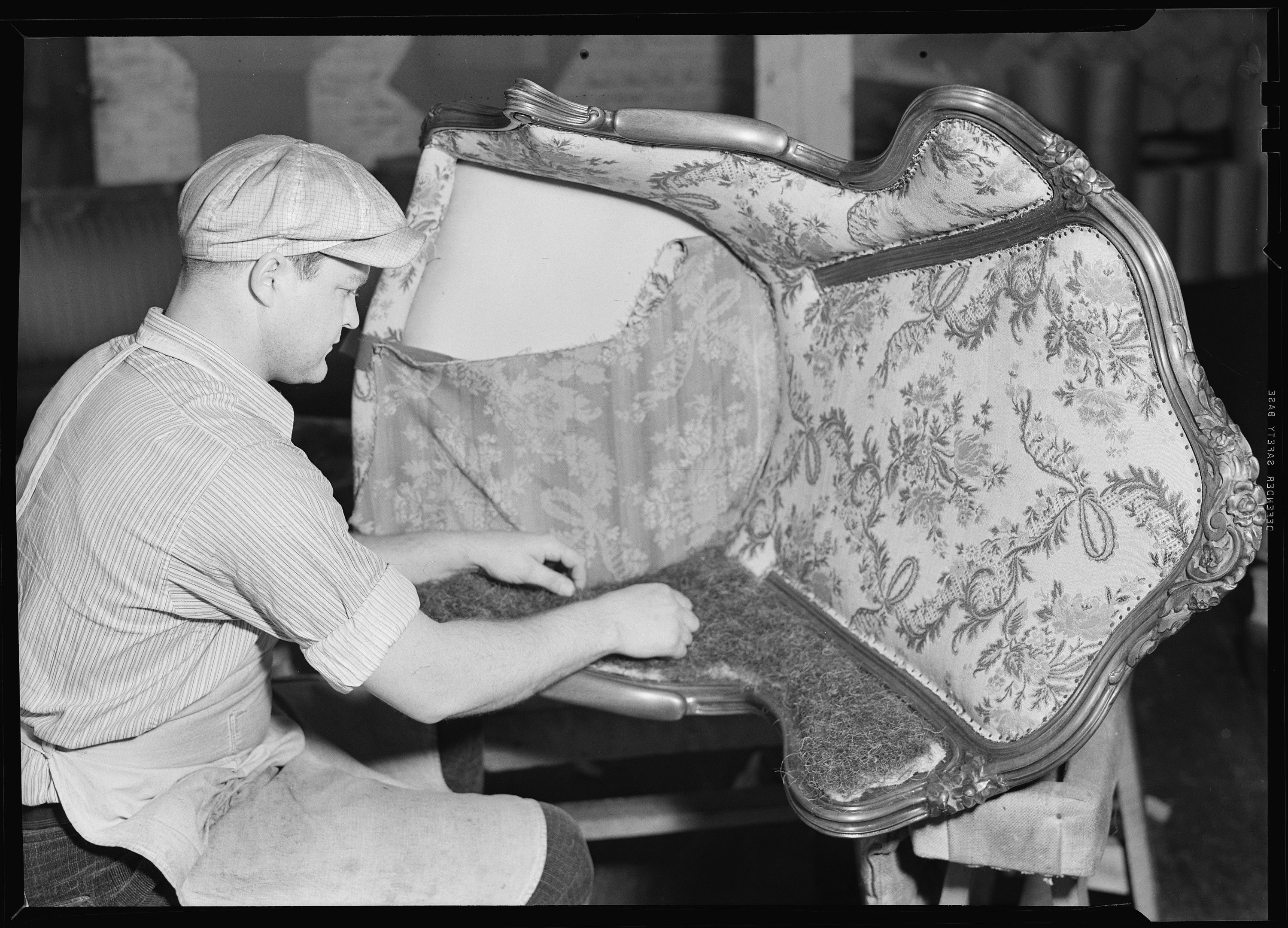
High-end furniture maintenance delivers the greatest return when guided by a clear prioritization strategy rather than reactive or purely aesthetic decision-making. Not all signs of wear demand immediate intervention, and attempting to address every visible imperfection simultaneously often leads to inefficient use of time, budget, and professional resources. In luxury interiors, maintenance is most effective when structured hierarchically, ensuring that interventions protect long-term performance first, visual authority second, and decorative refinement last. This disciplined approach allows furniture to age with stability, intention, and sustained value.
Maintenance as Strategic Stewardship
Unlike mass-market furniture, high-end pieces are designed to be maintained, repaired, and renewed across decades. This design philosophy assumes that owners will act as stewards rather than consumers, making informed decisions about when and where to intervene. Professional maintenance strategies recognize that certain failures compound quickly if ignored, while others can be deferred without meaningful consequence. Prioritization is therefore not neglect; it is an optimization of longevity.
Primary Priority: Structural Integrity
Structural components—frames, legs, load-bearing rails, and joints—form the functional backbone of any furniture piece. Compromise at this level threatens safety, comfort, and the viability of all secondary maintenance efforts. Loose joints, hairline cracks in wood members, or subtle frame distortion often begin invisibly and worsen under continued use.
Immediate attention to structural issues prevents cascading failures. For example, a slightly loosened mortise-and-tenon joint, if ignored, can lead to uneven load distribution, accelerating upholstery wear and cushion compression. Early reinforcement or re-gluing preserves alignment and prevents costly reconstruction later. In professional practice, structural inspections are always conducted before surface restoration, as refinishing or reupholstery applied to an unstable frame represents wasted investment.
Secondary Priority: Surface Condition and Upholstery
Once structural integrity is confirmed, maintenance focus shifts to surfaces and contact materials. This includes scratches, dents, finish wear, discoloration, fabric thinning, leather creasing, and cushion sag. These elements directly influence visual authority and user experience but rarely compromise immediate usability.
High-end materials are specifically selected to support repeated intervention. Solid wood surfaces can be sanded and refinished multiple times without dimensional loss. Quality veneers tolerate localized repair when bonded to stable cores. Full-grain leather and premium textiles allow reupholstery without altering ergonomic performance, provided internal cushioning remains intact.
Surface interventions are most effective when timed strategically. Addressing moderate wear before it penetrates protective finishes reduces labor intensity and preserves material thickness. Professionals often recommend grouping surface treatments into scheduled cycles—every seven to twelve years depending on use—rather than reacting to each isolated blemish.
Tertiary Priority: Accessories and Minor Components
The final tier includes non-structural and easily replaceable elements such as loose cushions, throw pillows, slipcovers, decorative hardware, glides, and modular add-ons. While these details contribute to visual freshness, they rarely affect comfort or safety if slightly worn.
Because of their lower cost and ease of replacement, these components can be refreshed opportunistically or aligned with seasonal updates. Delaying their replacement does not jeopardize furniture longevity, making them suitable for flexible budgeting. In many luxury interiors, controlled patina at this level is even desirable, reinforcing authenticity and lived-in refinement.
Scheduling and Lifecycle Planning
Effective prioritization relies on proactive scheduling rather than crisis response. Professionals recommend an annual inspection cycle that evaluates all three priority levels holistically. This process identifies early structural concerns, tracks surface aging patterns, and assesses accessory fatigue.
Major interventions should always follow a logical sequence: structural stabilization first, surface restoration second, and accessory refresh last. Seasonal factors—such as humidity shifts, heating cycles, and sunlight exposure—should be incorporated into planning to optimize material behavior and curing conditions. Lifecycle planning transforms maintenance from an expense into a predictable, value-preserving process.
Behavioral Alignment with Maintenance Strategy
Prioritization also informs daily behavior. Homeowners who understand which elements are most vulnerable adjust habits accordingly—avoiding excessive lateral stress on seating, managing load distribution, and protecting structural joints from moisture exposure. This behavioral alignment reduces intervention frequency and extends intervals between major maintenance cycles.
Long-Term Value and Ownership Experience
Structured maintenance prioritization preserves not only physical performance but also emotional and financial value. Furniture that remains stable and visually authoritative fosters long-term attachment, reducing replacement impulses driven by superficial wear. Over decades, this approach consistently lowers total ownership cost while maintaining a refined interior environment.
Conclusion
High-end furniture maintenance succeeds when guided by hierarchy rather than impulse. By prioritizing structural integrity first, surface condition second, and accessories last, homeowners protect safety, performance, and visual impact in the correct order. Annual evaluation, disciplined scheduling, and informed judgment ensure that maintenance resources deliver maximum longevity and return. True luxury is not defined by constant renewal, but by sustained excellence achieved through foresight, structure, and methodical care.


David Chen
January 18 2025Your guide to kitchen renovation is incredible! I've already started implementing the layout changes you suggested, and I'm seeing a noticeable improvement in the functionality of my space. The tips on budget management have been especially helpful.
ReplySarah Johnson
January 16 2025As a first-time renovator, I found your insights on choosing the right contractors invaluable. The section on checking references and licenses has saved me from potential headaches, and my bathroom remodel is now underway! Thank you for sharing such practical renovation advice!
Reply