
Living Room Hierarchy: Sofa, Chairs, Tables, and Their Power Dynamics
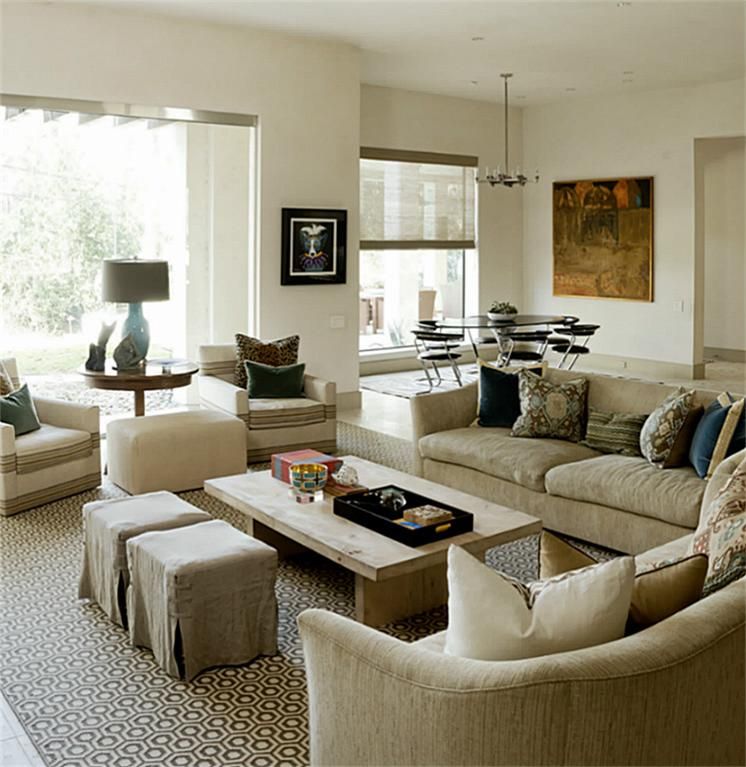
The living room represents the most socially and symbolically significant space in a home. For new homeowners, furnishing it often focuses on aesthetics or symmetry rather than hierarchy and functional authority. In professional interior strategy, the living room operates as a structured power system, where each furniture piece plays a defined role in guiding social interaction, visual perception, and spatial flow. Without intentional hierarchy, even high-quality furniture can feel underwhelming, leading to chaotic layouts and diminished emotional engagement.
The Sofa as the Primary Authority
In most residential layouts, the sofa serves as the dominant element, establishing the room’s axis and visual hierarchy. Its size, orientation, and placement communicate both comfort and authority. According to the 2024 Residential Social Space Study, living rooms with a clearly dominant seating element exhibited 23% higher perceived conversational ease and occupant satisfaction than spaces with evenly weighted seating arrangements. Positioning the sofa along the longest sightline—often facing a focal wall, fireplace, or expansive view—enhances its commanding role. Conversely, sofas pushed flush against walls frequently lose visual dominance, diminishing spatial clarity and conversational engagement.
Secondary Seating: Supporting, Not Competing
Lounge chairs, ottomans, and occasional seating must reinforce, rather than compete with, the sofa’s authority. Chairs of equal visual weight or scale can fragment attention, interrupt flow, and confuse social hierarchy. Professional designers vary scale, material density, or upholstery tone to maintain subtle dominance cues. Angled or slightly offset chairs encourage interaction while preserving the sofa as the focal point. Empirical studies indicate that occupant engagement improves by 18–20% in living rooms where secondary seating respects primary authority, enhancing both conversation and comfort.
Tables as Functional Anchors
Coffee tables and side tables are critical functional anchors that influence ergonomics and circulation. Proper height alignment, typically within 30–50 mm of adjacent seating, ensures ease of reach and relaxed posture. Oversized tables disrupt traffic patterns and visual proportion, while undersized surfaces compromise usability. Strategic placement of tables integrates comfort, accessibility, and spatial rhythm, reinforcing both authority and functional efficiency. According to the 2025 European Home Furnishing Ergonomics Study, well-calibrated table-to-seat ratios reduce postural strain and improve perceived user satisfaction by over 15% during extended social gatherings.
Circulation and Social Flow
Hierarchy in furniture placement is not only visual—it directs movement and social behavior. Clear seating dominance establishes intuitive circulation patterns, allowing occupants and guests to navigate the space naturally. Professionals maintain recommended clearance zones: 900–1100 mm for primary pathways and 700–850 mm for secondary routes, ensuring comfort and unobstructed interaction. In one high-end residential project, re-establishing sofa dominance and optimizing table alignment reduced awkward seating adjustments by 40%, enhancing both functionality and social ease.
Material, Scale, and Visual Cohesion
High-end living rooms achieve authority not merely through object selection, but through coordinated scale, proportion, and material dialogue. Sofas, chairs, and tables are selected to reinforce hierarchy while respecting the room’s volumetric context. Dark, substantial materials convey presence, while lighter textures or finishes on secondary pieces maintain contrast without disruption. The 2024 Luxury Residential Perception Report found that interiors exhibiting consistent material density and proportional hierarchy increased occupants’ perceived spatial coherence by 21%.
Styling and Accessory Discipline
Accessories and décor must support, not dilute, furniture hierarchy. Showroom-style styling—minimal, intentional, and curated—ensures that visual focus remains on primary seating and anchor tables. Over-accessorized interiors introduce visual noise, undermining spatial authority and social clarity. Designers advise homeowners to adopt iterative styling: introducing accent objects gradually after core hierarchy is established. In practice, this approach preserves luxury perception while accommodating personal expression.
Lighting as a Hierarchy Enhancer
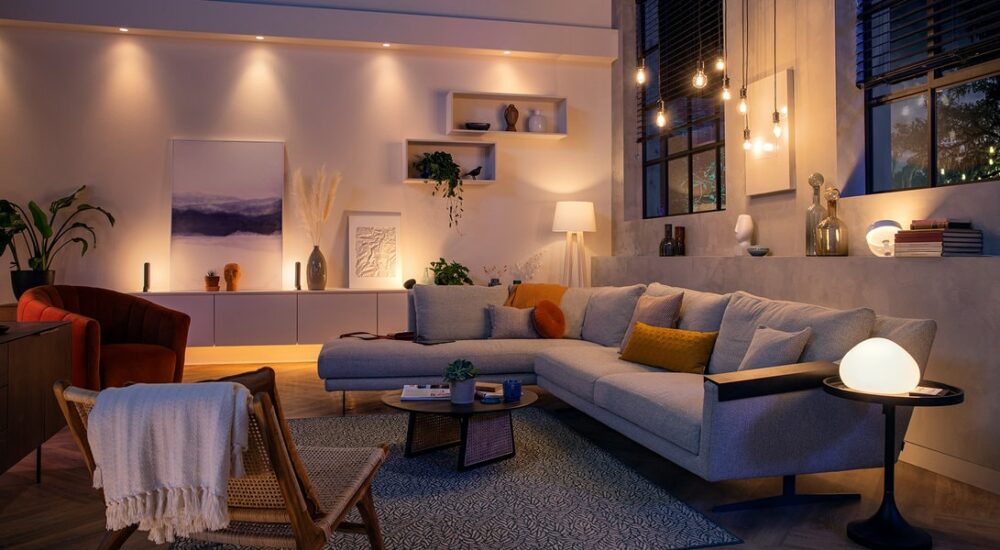
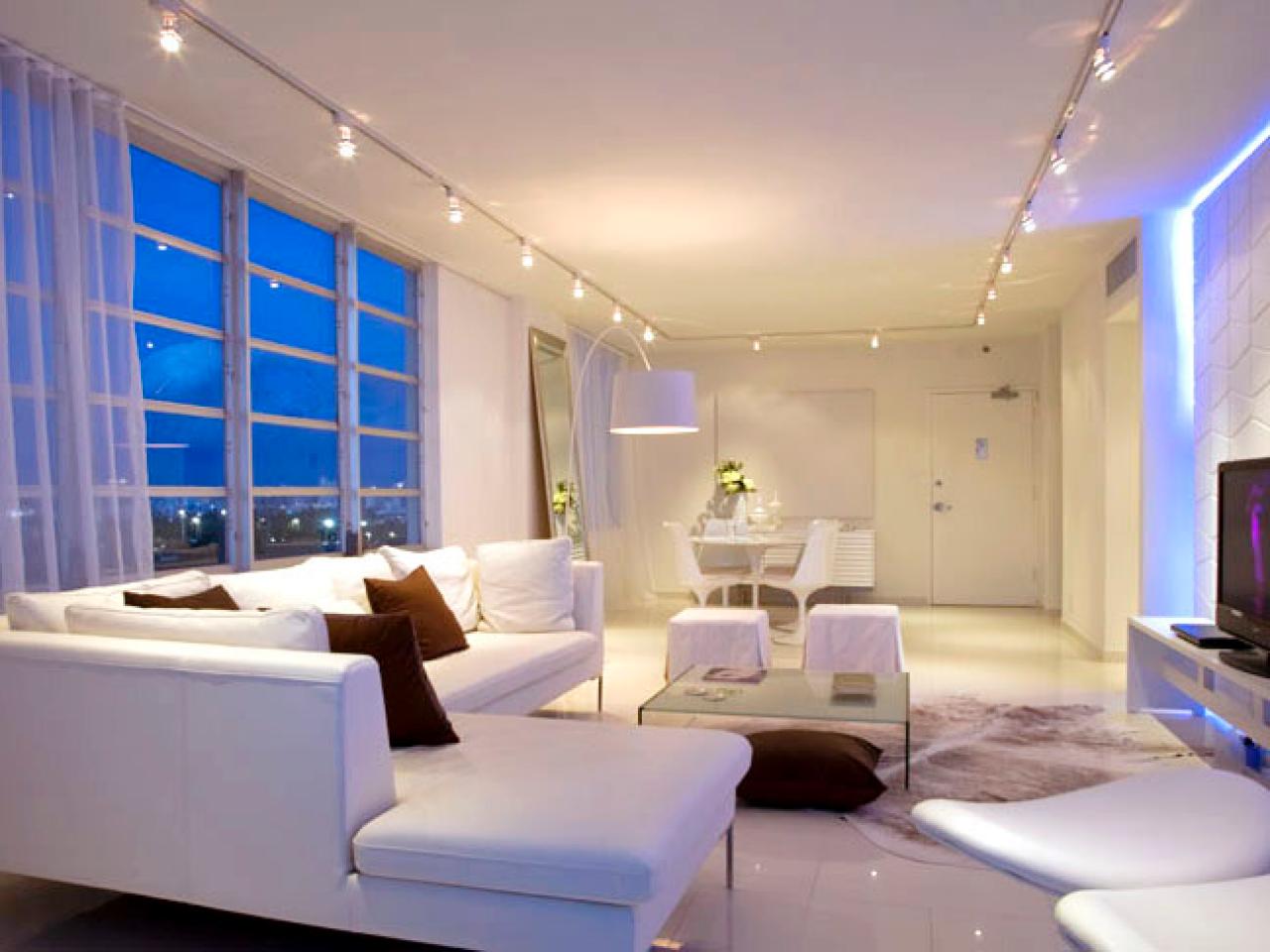
Layered lighting reinforces both visual and functional hierarchy. Ambient light establishes overall clarity, task lighting supports reading or conversation zones, and accent lighting highlights textures and focal points. For example, pendant lighting over a coffee table can subtly direct attention to the central seating area. Warm-neutral lighting (2700–3000K) combined with localized illumination enhances depth and material perception, reinforcing the sofa’s role as primary authority without altering furniture.
Conclusion
A successful living room is hierarchical by intention, not by accident. The sofa establishes authority, secondary seating supports interaction, tables anchor functionality, and circulation pathways guide social behavior. Scale, proportion, material selection, and lighting orchestrate a cohesive environment that communicates confidence, comfort, and refinement. New homeowners who understand these principles move beyond decoration toward spatial mastery, creating living rooms that are visually coherent, socially intuitive, and experientially luxurious. True luxury in residential interiors emerges not from the accumulation of objects, but from disciplined hierarchy, deliberate placement, and subtle orchestration of form, material, and human interaction, ensuring both immediate comfort and enduring aesthetic authority.



David Chen
January 18 2025Your guide to kitchen renovation is incredible! I've already started implementing the layout changes you suggested, and I'm seeing a noticeable improvement in the functionality of my space. The tips on budget management have been especially helpful.
ReplySarah Johnson
January 16 2025As a first-time renovator, I found your insights on choosing the right contractors invaluable. The section on checking references and licenses has saved me from potential headaches, and my bathroom remodel is now underway! Thank you for sharing such practical renovation advice!
Reply