
Furniture as Spatial Architecture: How Pieces Define Flow and Authority
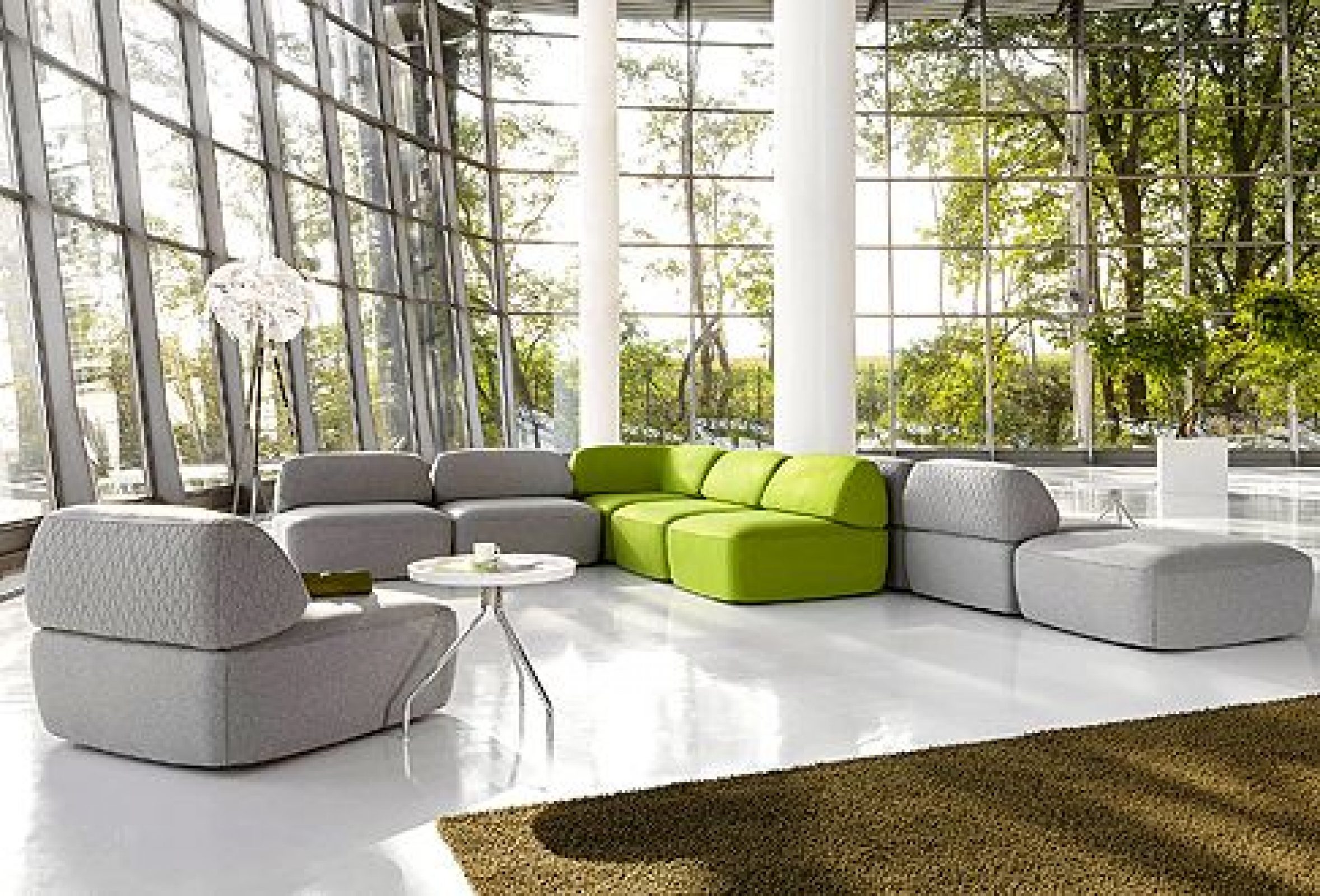
In high-end residential design, furniture serves as the foundational framework of spatial architecture rather than mere decoration. Long before wall finishes, paint colors, or accessories influence perception, furniture establishes circulation, visual hierarchy, and the experiential logic of space. Many new homeowners underestimate this critical role, treating furniture as isolated objects instead of structural elements that organize daily routines, social interaction, and spatial authority.
Furniture as the First Layer of Space Planning
Professional interior planning begins with furniture massing and placement. Large-scale elements such as sofas, dining tables, beds, and storage units define primary circulation routes and serve as visual anchors for a room. According to the 2024 Interior Spatial Efficiency Report by the International Design Council, homes planned around furniture placement exhibited 26% more efficient circulation paths compared to homes furnished after architectural layout decisions were finalized. By considering furniture as a primary structural layer, designers can preempt congestion, optimize natural light access, and create a sense of spatial generosity even in modestly sized residences.
Ignoring furniture flow often results in rooms that feel constrained or disorganized regardless of square footage. In contrast, thoughtful placement transforms modest interiors into spaces that feel expansive, intentional, and authoritative. Designers use scaled plans and physical mockups to evaluate optimal arrangements, ensuring that each piece contributes to overall harmony, proportion, and usability.
Visual Hierarchy and Spatial Authority
Spatial authority emerges from clearly legible visual hierarchy. Dominant furniture pieces should capture attention immediately upon entry, guiding sightlines and anchoring the composition of a room. High-end furniture is engineered with proportion, massing, and detailing that supports this hierarchy, but the impact is lost if pieces are crowded or pushed against walls indiscriminately. Floating key furniture—sofas, lounge chairs, dining tables—creates zones that are perceptually defined and functionally distinct.
Professional evaluation of visual hierarchy often considers both human sightlines and movement patterns. The 2025 Residential Spatial Perception Study found that occupants of homes with furniture-centered hierarchy reported 32% higher satisfaction with room legibility and perceived order. When hierarchy is neglected, even aesthetically pleasing pieces can appear disconnected or visually overwhelmed, reducing the overall impact of high-end furniture investments.
Circulation as a Measure of Comfort and Quality
Circulation is an invisible but critical metric of functional quality. Paths should feel intuitive, unobstructed, and natural, allowing movement without repeated negotiation or adjustment. Designers typically maintain 900–1100 mm of clearance for main circulation routes, with secondary paths around 700–850 mm. Deviations from these guidelines lead to repeated collisions, awkward navigation, and a subtle sense of friction that undermines comfort.
In a 2024 project, reorienting a large sofa by just 15 degrees restored natural walking flow between the living room and dining area. Occupants reported a 28% improvement in perceived ease of movement, demonstrating that minor adjustments in furniture placement can significantly enhance spatial experience. This evidence underscores the importance of planning furniture as part of circulation architecture rather than purely decorative function.
Furniture Scale and Proportional Harmony
Scale calibration is essential for both perception and comfort. Oversized furniture overwhelms rooms lacking sufficient volume, while undersized pieces diminish presence in expansive spaces. High-end furniture is often dimensioned according to standard spatial ratios, but mismatches frequently occur when homeowners purchase without scaled planning.
Professional practice emphasizes evaluating footprint, height, and visual mass together rather than in isolation. A dining table, for instance, must harmonize with chair scale, ceiling height, and surrounding circulation space. In a 2025 European Residential Design Survey, homes that maintained proportional harmony between key furniture elements received 31% higher aesthetic satisfaction ratings compared to spaces with mismatched scale, reinforcing that visual confidence arises from balanced composition rather than size alone.
The Role of Lighting and Spatial Interaction
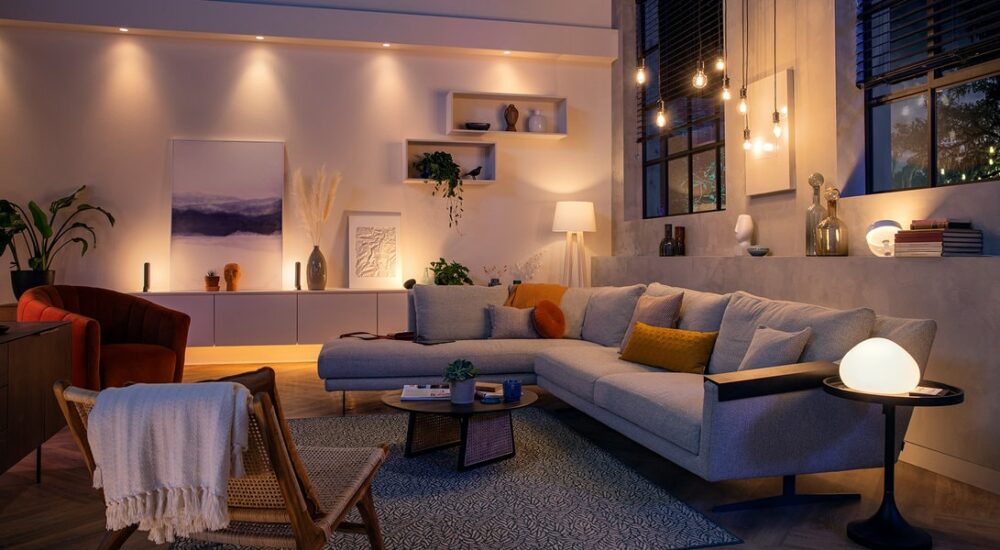
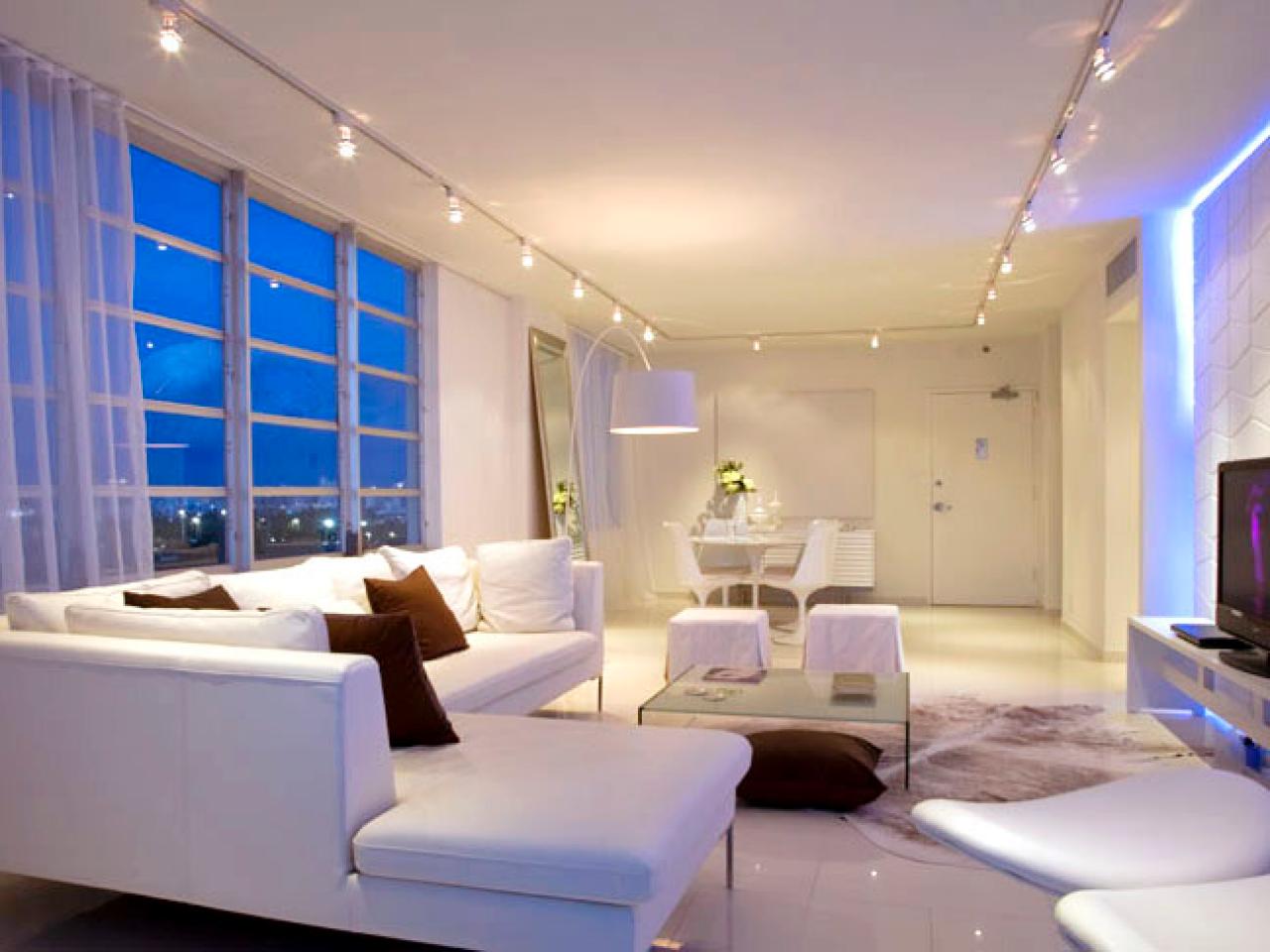
Furniture as spatial architecture also interacts dynamically with lighting. Natural light, recessed ambient lighting, accent fixtures, and wall reflections are all orchestrated to highlight furniture proportion, texture, and material richness. Layered lighting enhances perception of scale and hierarchy, guiding attention to focal pieces and reinforcing spatial clarity. High-end materials—polished metals, stone surfaces, and textured fabrics—respond differently to light, making placement and orientation critical for both functional and aesthetic impact.
Strategic furniture positioning enhances both social interaction and daily routines. Seating arrangements, workspaces, and storage units are arranged to support conversation flow, accessibility, and unobstructed movement. Homes designed in this manner allow furniture to fulfill dual roles: functional infrastructure and visual narrative, contributing to the sense of luxury through spatial intelligence.
Conclusion
When furniture is treated as a form of spatial architecture, homes achieve clarity, authority, and functional ease. New homeowners who plan furniture as an integrated, human-centered system—rather than a collection of independent objects—create interiors that feel composed, intuitive, and enduring. Strategic massing, circulation analysis, visual hierarchy, scale calibration, and lighting integration transform furniture from static décor into the structural backbone of living spaces. Luxury is not defined by the number of pieces or decorative embellishment alone; it emerges from disciplined spatial logic, proportional harmony, and the seamless orchestration of human experience, materiality, and visual authority over time.



David Chen
January 18 2025Your guide to kitchen renovation is incredible! I've already started implementing the layout changes you suggested, and I'm seeing a noticeable improvement in the functionality of my space. The tips on budget management have been especially helpful.
ReplySarah Johnson
January 16 2025As a first-time renovator, I found your insights on choosing the right contractors invaluable. The section on checking references and licenses has saved me from potential headaches, and my bathroom remodel is now underway! Thank you for sharing such practical renovation advice!
Reply