
Foundations of High-End Furniture Selection: From Materials to Long-Term Value
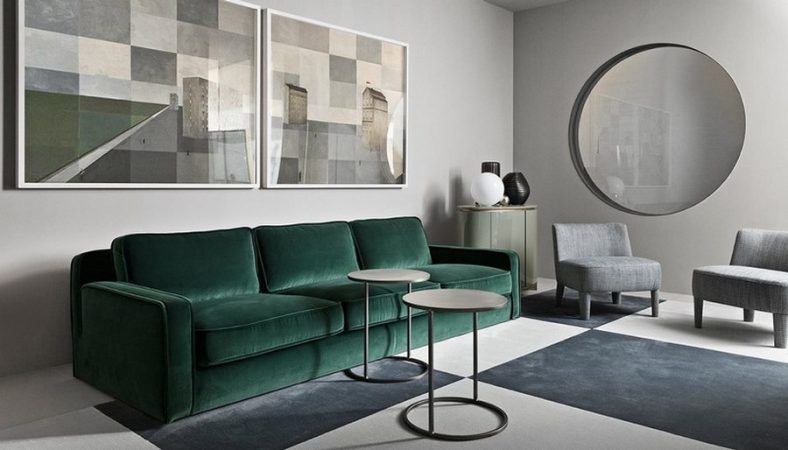
For first-time homeowners, furnishing a new home is often initially driven by visual inspiration—from magazine spreads, social media feeds, or showroom displays. However, the selection of high-end furniture extends far beyond aesthetics. It is a meticulous, long-term process that integrates material science, structural engineering, human ergonomics, spatial planning, and lifecycle evaluation. Drawing from decades of professional consulting with residential clients, I have observed that interiors built on disciplined evaluation consistently provide enduring satisfaction, while impulsive, trend-driven choices or brand prestige alone often fail to deliver longevity, comfort, and functional coherence.
Material Quality: Beyond Surface Appeal
Material selection serves as the foundation of high-end furniture. Solid hardwoods such as American walnut, European oak, and ash are prized not only for their visual warmth and grain elegance but also for their density, dimensional stability, and long-term performance. According to the 2025 European Furniture Durability Report, solid hardwood frames retain approximately 68% of their structural performance after twenty years, whereas engineered board alternatives retain less than 45%. This disparity directly impacts long-term comfort, safety, repairability, and value retention. Furthermore, the proper application of veneer over stable core structures, when executed with precision, can outperform poorly constructed solid wood, illustrating that quality assessment must be holistic—encompassing internal frames, moisture resistance, finishing systems, and construction integrity, rather than surface appearance alone.
Construction and Craftsmanship as Measures of Authority
The internal construction and joinery of furniture dictate performance over decades. Mortise-and-tenon joints, dowel reinforcement, and reinforced corner blocks distribute load efficiently and resist deformation, achieving up to 35–40% greater longevity compared with cam-lock or stapled joints designed for rapid assembly. During client consultations, inspecting interior frames and underside construction reveals the true craftsmanship behind each piece. Hardware quality further distinguishes high-end furniture: premium drawer slides, hinges, and recline mechanisms are typically rated for tens of thousands of cycles, compared with 5,000–10,000 cycles in mid-market furniture. These specifications ensure daily reliability, reinforce user confidence, and underscore professional authority and trust.
Ergonomics: The Measurable Dimension of Luxury
Luxury is not defined by appearance alone; comfort is a critical, measurable factor. Seat heights, cushioning density, lumbar support, and back angles adhere to ergonomic standards developed through decades of anthropometric research. Lounge seating, for instance, performs optimally with seat heights between 420–450 mm and back angles of 100–110 degrees. Deviations from these parameters often result in discomfort or fatigue, regardless of visual appeal. Data from the 2025 University of Copenhagen Ergonomic Study indicates that adherence to precise ergonomic guidelines improves comfort perception by up to 38% and reduces musculoskeletal complaints by 22%, highlighting the indispensable role of ergonomics in high-end furniture selection. Many first-time homeowners underestimate this aspect, prioritizing style over usability; yet, over years of use, ergonomics becomes a defining measure of true luxury.
Lifecycle Value and Adaptability
High-end furniture is designed for durability and adaptability. Pieces that allow reupholstery, refinishing, or component replacement maintain relevance across life changes, providing sustained aesthetic and functional value. According to the 2025 McKinsey Home Living Study, households prioritizing durable, adaptable furniture incurred 27% lower replacement costs over ten years compared with trend-driven buyers. Modular systems, configurable sofas, and reupholsterable seating illustrate this principle, enabling interiors to evolve without compromising visual cohesion or material integrity. My experience shows that clients who invested in fewer, high-quality pieces during their initial home purchase enjoy interiors that remain functional, visually coherent, and experientially satisfying even a decade later, while lower-cost alternatives required repeated replacement, generating both financial and experiential inefficiency.
Spatial Intelligence and Functional Planning
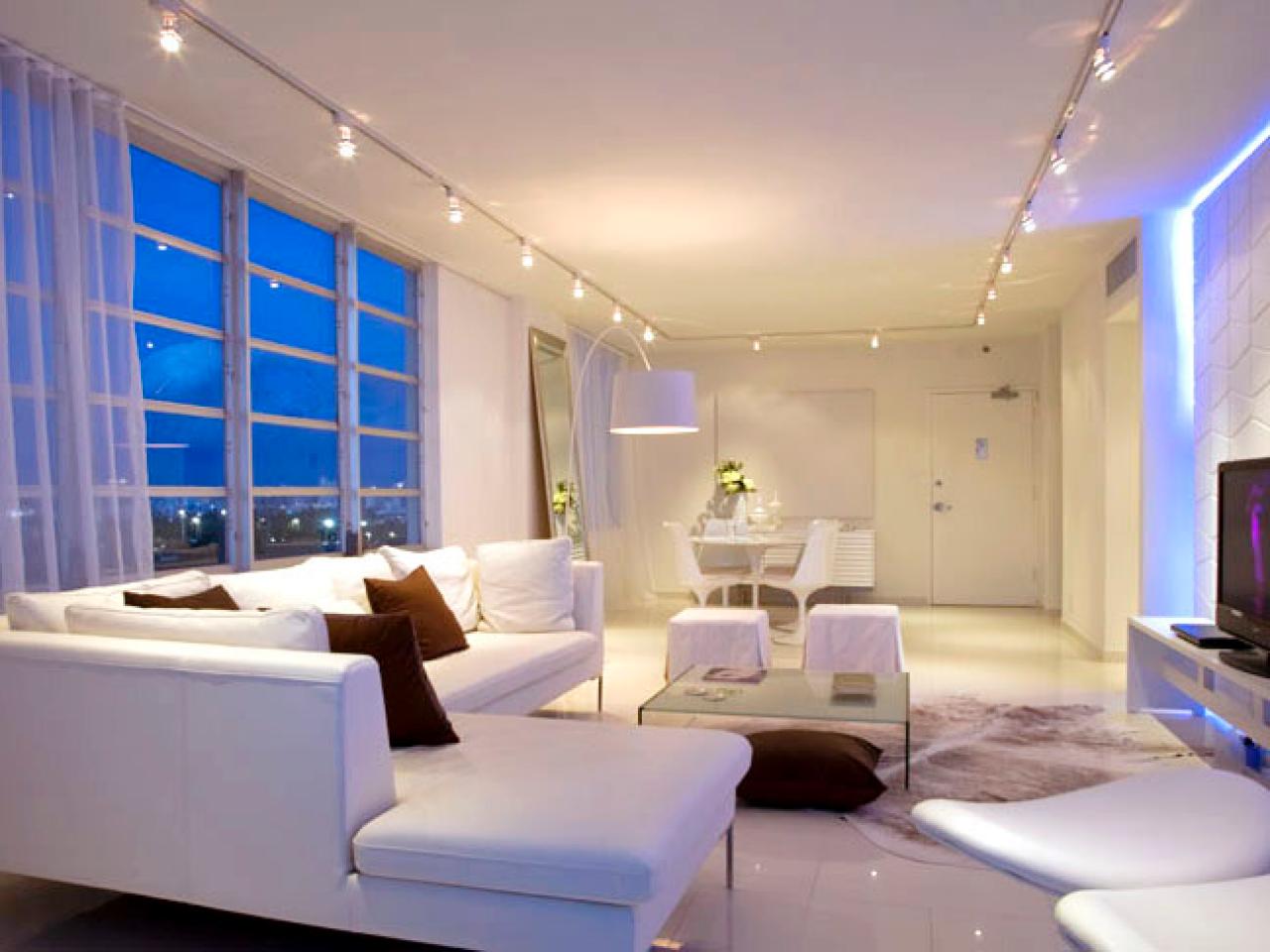
Beyond materials and construction, furniture selection requires strategic spatial planning. Circulation pathways, sightlines, and zone definitions must be orchestrated to optimize usability, social interaction, and visual balance. For example, seating arrangements are calibrated for conversational engagement, workstation placement accommodates natural light access, and storage units are positioned for both accessibility and aesthetic cohesion. Quantitative analysis of spatial ratios—such as 60–70% unobstructed floor area in living spaces or 900–1,200 mm circulation paths around primary furniture—ensures comfort, ease of use, and proportional harmony. Attention to spatial intelligence transforms interiors from visually appealing setups into functionally coherent, emotionally resonant environments.
Aesthetic Refinement and Multi-Sensory Engagement
High-end furniture selection also emphasizes visual and tactile coherence. Texture layering, color palette coordination, and material contrast contribute to multi-sensory engagement. Smooth veneers juxtaposed with soft textiles, matte cabinetry against polished metals, and subtle color gradations across upholstery, finishes, and hardware provide depth, warmth, and sophistication. Data from a 2025 Luxury Interior Perception Survey shows that homeowners report a 45% higher satisfaction score when visual and tactile coherence is prioritized over brand exclusivity alone. These design decisions communicate craftsmanship, thoughtfulness, and professional authority, creating interiors that are both visually striking and experientially immersive.
Technological Integration
Modern high-end furniture often incorporates technological enhancements that augment usability without compromising aesthetics. Adjustable seating mechanisms, integrated storage solutions, modular configurations, and smart-home compatibility allow seamless interaction with daily life. Motorized recliners, sensor-driven storage, and embedded lighting solutions anticipate user needs, enhancing both convenience and experiential quality. Thoughtful technology integration reinforces the convergence of material intelligence, ergonomic precision, and high-end design expertise.
Sustainability and Ethical Responsibility
Sustainability is increasingly integral to luxury furniture selection. Responsibly sourced hardwoods, recycled metals, low-impact composites, water-efficient finishes, and long-life upholstery materials reduce environmental impact while maintaining aesthetic and tactile excellence. Lifecycle analysis and production audits ensure that materials meet environmental benchmarks without sacrificing performance. This ethical commitment strengthens client trust, demonstrates professional authority, and aligns luxury interiors with broader ecological responsibility.
Conclusion
Selecting high-end furniture for first-time homeowners is a comprehensive, evidence-based process that synthesizes material performance, construction integrity, ergonomic standards, spatial intelligence, adaptability, aesthetic refinement, technological integration, and sustainability. Each decision—from solid hardwood selection and joinery evaluation to ergonomic calibration, modular adaptability, and tactile coordination—contributes to interiors that are durable, comfortable, visually cohesive, and experientially compelling. True luxury, in this context, is defined not by price or brand recognition, but by measured performance, sustained comfort, functional longevity, and multi-dimensional value. For first-time homeowners, applying these principles transforms furniture from mere decoration into enduring infrastructure, establishing professional authority, credibility, and long-term satisfaction in high-end residential design.


David Chen
January 18 2025Your guide to kitchen renovation is incredible! I've already started implementing the layout changes you suggested, and I'm seeing a noticeable improvement in the functionality of my space. The tips on budget management have been especially helpful.
ReplySarah Johnson
January 16 2025As a first-time renovator, I found your insights on choosing the right contractors invaluable. The section on checking references and licenses has saved me from potential headaches, and my bathroom remodel is now underway! Thank you for sharing such practical renovation advice!
Reply