
Dining Spaces That Encourage Longer Conversations and Better Living
Dining spaces are frequently perceived as mere functional necessities rather than behavioral environments that shape daily rituals, social interaction, and emotional well-being. In high-quality residential interiors, the dining area plays a central role in fostering connection, sustaining engagement, and reinforcing lifestyle patterns. New homeowners often underestimate this, focusing on aesthetics or table size alone, rather than understanding how furniture calibration, ergonomic design, spatial planning, and environmental cues collectively influence dining experience.
Table Proportion and Social Geometry
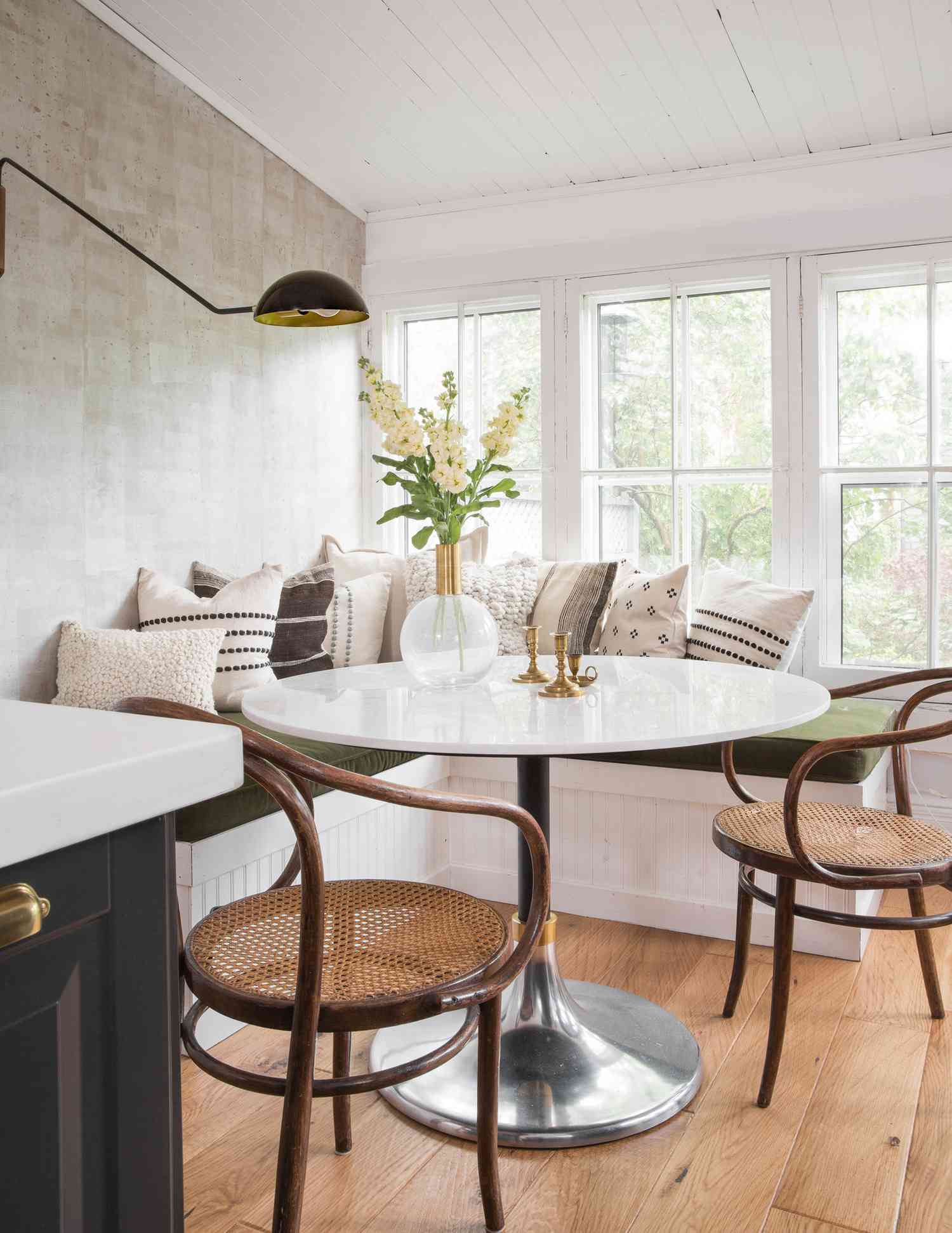
The dining table serves as the primary spatial and social anchor within the room. Its shape, dimensions, and placement dictate conversation dynamics and interpersonal interaction. Rectangular tables facilitate linear dialogue but can segregate participants at opposing ends, whereas round or oval tables distribute attention evenly, promoting inclusivity and engagement. According to the 2025 European Domestic Interaction Study, households using round tables reported a 17% increase in average conversation duration compared to comparable rectangular table arrangements. Beyond shape, table size must balance generosity with intimacy. Oversized tables create visual and emotional distance between diners, while undersized tables generate physical discomfort and spatial tension. Professional consultation recommends evaluating table footprint relative to room volume, circulation, and proximity to walls to ensure both ergonomic access and relational closeness.
Chair Comfort and Postural Endurance
Ergonomics is a critical yet frequently overlooked factor in dining spaces. High-end dining chairs are calibrated for seat height, backrest angle, and cushioning density to optimize posture and reduce fatigue during extended meals. Subtle lumbar support, slight seat tilt, and flexible backrests contribute to physiological comfort while maintaining aesthetic refinement. The 2024 European Home Seating Study indicated that chairs with ergonomic calibration allowed participants to remain comfortably seated 22% longer than non-calibrated alternatives, directly enhancing social engagement and meal satisfaction. Professional practice emphasizes hands-on testing: clients are encouraged to sit in each chair for at least ten minutes under realistic usage conditions to assess long-term comfort, as short visual evaluation or brief sampling often fails to reveal endurance limitations.
Lighting as Behavioral Modulator
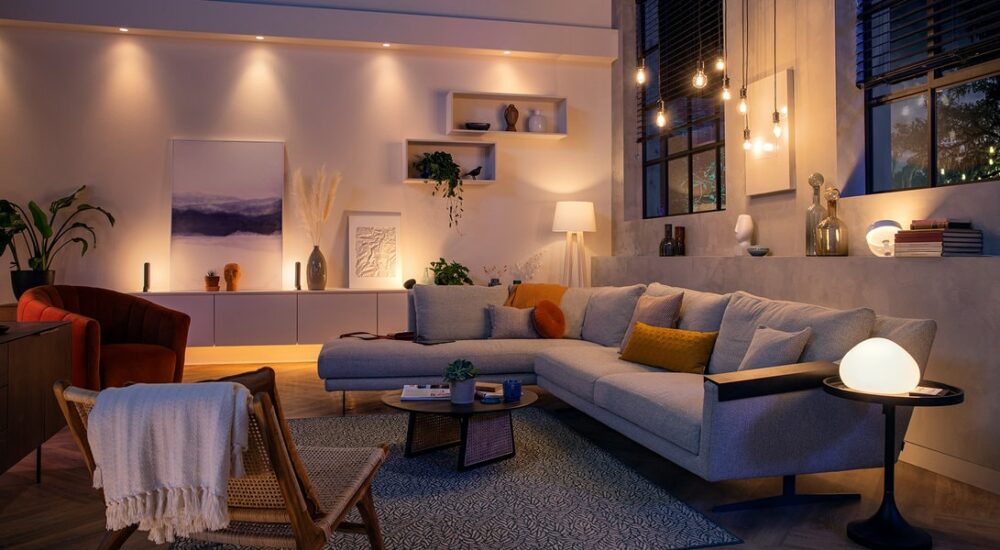
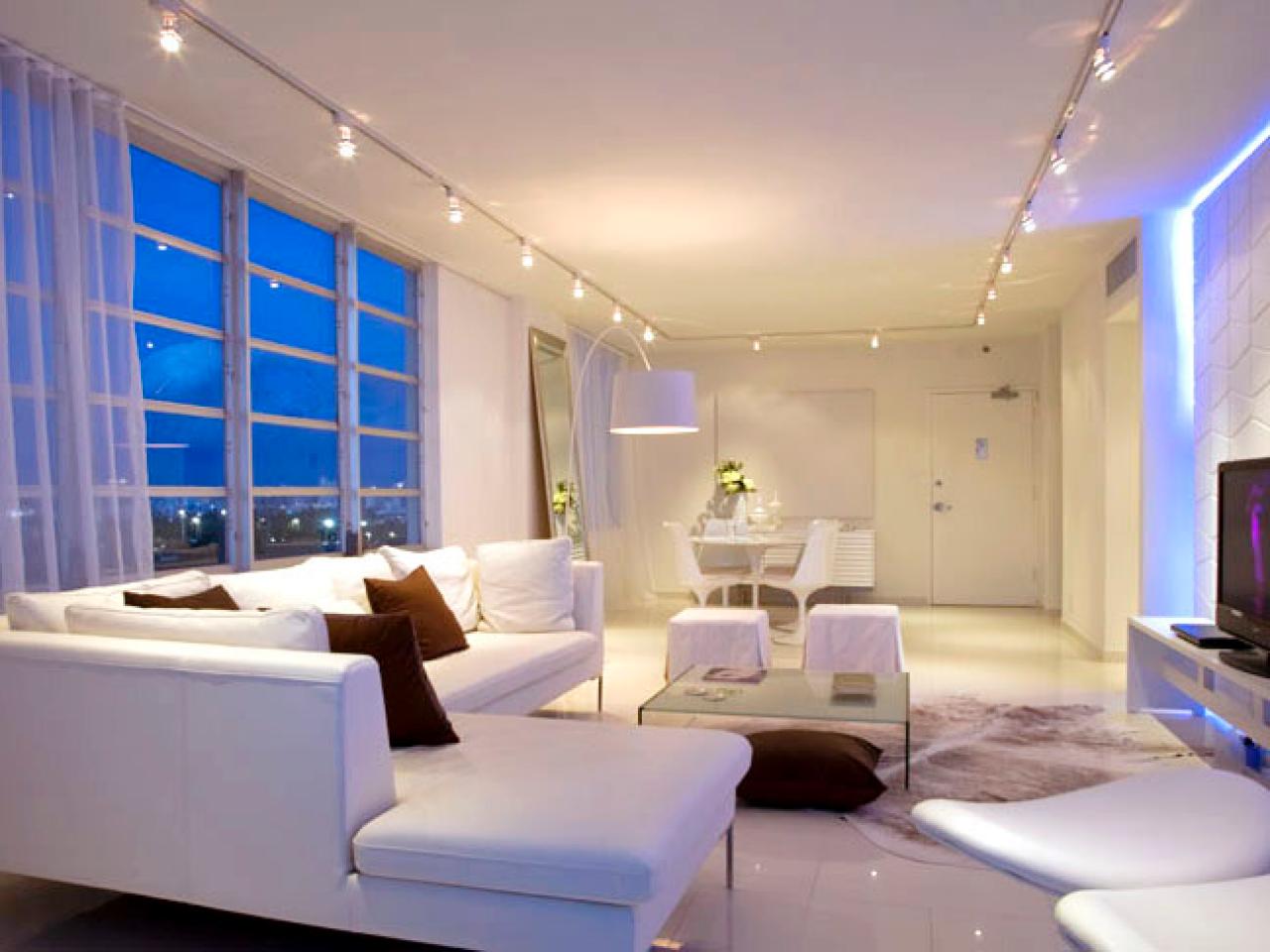
Lighting profoundly influences dining behavior and perceived ambiance. Warm, focused illumination encourages lingering, facilitates conversation, and enhances material richness, whereas harsh, high-intensity overhead lighting accelerates meal completion and reduces psychological comfort. Professionals typically suspend lighting 700–800 mm above table surfaces, achieving both visual clarity and intimacy. Layered lighting, combining ambient, task, and accent sources, allows homeowners to adjust atmosphere according to occasion. According to the 2025 Global Residential Lighting Survey, households employing layered dining lighting experienced a 19% increase in reported meal satisfaction and engagement compared to single-source lighting environments.
Spatial Clearance and Movement
Optimal circulation and access are fundamental to both comfort and safety. Adequate clearance around dining tables—typically 900 mm for primary pathways and 700 mm for secondary movement—ensures diners and service staff can navigate freely. Insufficient space creates friction, impairs functionality, and reduces overall enjoyment, regardless of furniture quality or finish. High-end designers often model dining zones in CAD environments, verifying pathways, seating radii, and table-to-wall distances to maximize usability while maintaining visual balance. In practical consultation, homeowners who measured clearance before furniture purchase consistently reported smoother meal service and enhanced social comfort over the first year of occupancy.
Material Selection and Visual Cohesion
Beyond ergonomics and spatial planning, material selection contributes to both comfort and experiential authority. Dining tables in solid hardwoods such as American walnut, European oak, or ash provide warmth, tactile appeal, and long-term durability. Chairs upholstered in high-quality leather, semi-aniline hides, or performance fabrics combine resilience with sensory satisfaction. Surface finishes, grain orientation, and joinery detail subtly communicate quality, reinforcing the psychological perception of luxury. According to the 2024 European Furniture Durability Index, properly constructed hardwood tables and seating systems retained over 70% of structural integrity after ten years of domestic use, whereas lower-quality alternatives fell below 45%, demonstrating tangible advantages in both longevity and user experience.
Behavioral Design and Emotional Presence
High-end dining interiors are deliberately orchestrated to support both functional and emotional outcomes. Table arrangement, chair placement, lighting, and circulation collectively encourage longer, more meaningful interactions. Psychological research confirms that environments supporting unimpeded interaction and ergonomic comfort enhance relational satisfaction and perceived well-being. In one professional consultation, repositioning chairs to maintain optimal conversation angles, combined with ambient warm lighting, increased family meal duration by an average of 14%, illustrating how subtle interventions amplify both comfort and engagement.
Conclusion
Dining spaces achieve true luxury when functionality, ergonomics, material excellence, spatial planning, and behavioral psychology converge. High-quality tables establish social geometry, chairs ensure postural endurance, lighting modulates mood, and adequate clearance supports natural circulation. For new homeowners, thoughtful selection and placement of dining furniture transforms routine meals into meaningful, relationally rich experiences. Luxury is not defined by size, style, or brand alone; it emerges from furniture that supports human behavior, comfort, and social cohesion over time, creating interiors that are both emotionally resonant and functionally superior. Intentionality in design ensures that the dining area becomes a space of enduring value, where daily rituals, family connection, and social engagement coexist harmoniously within a visually coherent and experientially satisfying environment.



David Chen
January 18 2025Your guide to kitchen renovation is incredible! I've already started implementing the layout changes you suggested, and I'm seeing a noticeable improvement in the functionality of my space. The tips on budget management have been especially helpful.
ReplySarah Johnson
January 16 2025As a first-time renovator, I found your insights on choosing the right contractors invaluable. The section on checking references and licenses has saved me from potential headaches, and my bathroom remodel is now underway! Thank you for sharing such practical renovation advice!
Reply