
Buying Fewer Pieces, Living Better: Strategic Furniture Reduction for New Homes
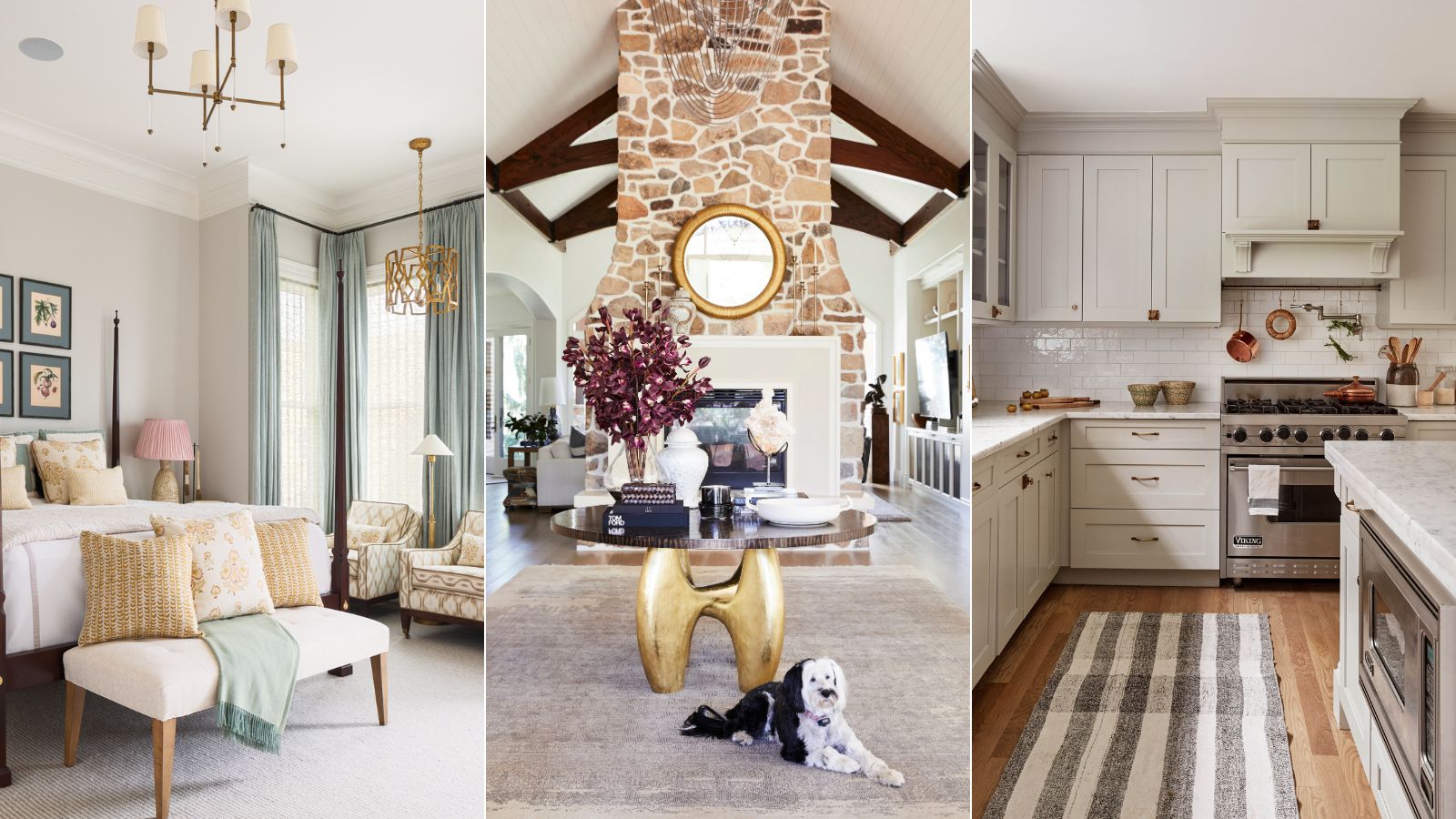
New homeowners often equate completeness with abundance, assuming that every room must be fully furnished immediately. In professional interior design practice, however, the most refined, functional, and visually compelling homes often begin with fewer, carefully considered pieces. Strategic furniture reduction is not minimalism as a stylistic choice, but a systematic approach to clarity, spatial authority, and long-term livability.
The Psychological Impact of Reduced Visual Complexity
Residential psychology research consistently demonstrates that environments with lower visual complexity improve cognitive clarity, comfort, and emotional well-being. A 2025 Housing and Well-Being Study found that occupants living in deliberately simplified spaces reported 21% higher relaxation levels and 17% lower perceived stress than those in densely furnished environments. Each piece of furniture is allowed to 'perform' clearly within the space, reducing cognitive overload and the physical friction of navigating cluttered layouts.
Strategically limiting furniture allows homeowners to focus on functionality, proportion, and experiential quality rather than quantity. In living areas, fewer seating options and tables permit clearer social dynamics, unobstructed sightlines, and more intentional circulation patterns, reinforcing the perception of spatial mastery and high-end design sophistication.
Spatial Authority Through Negative Space
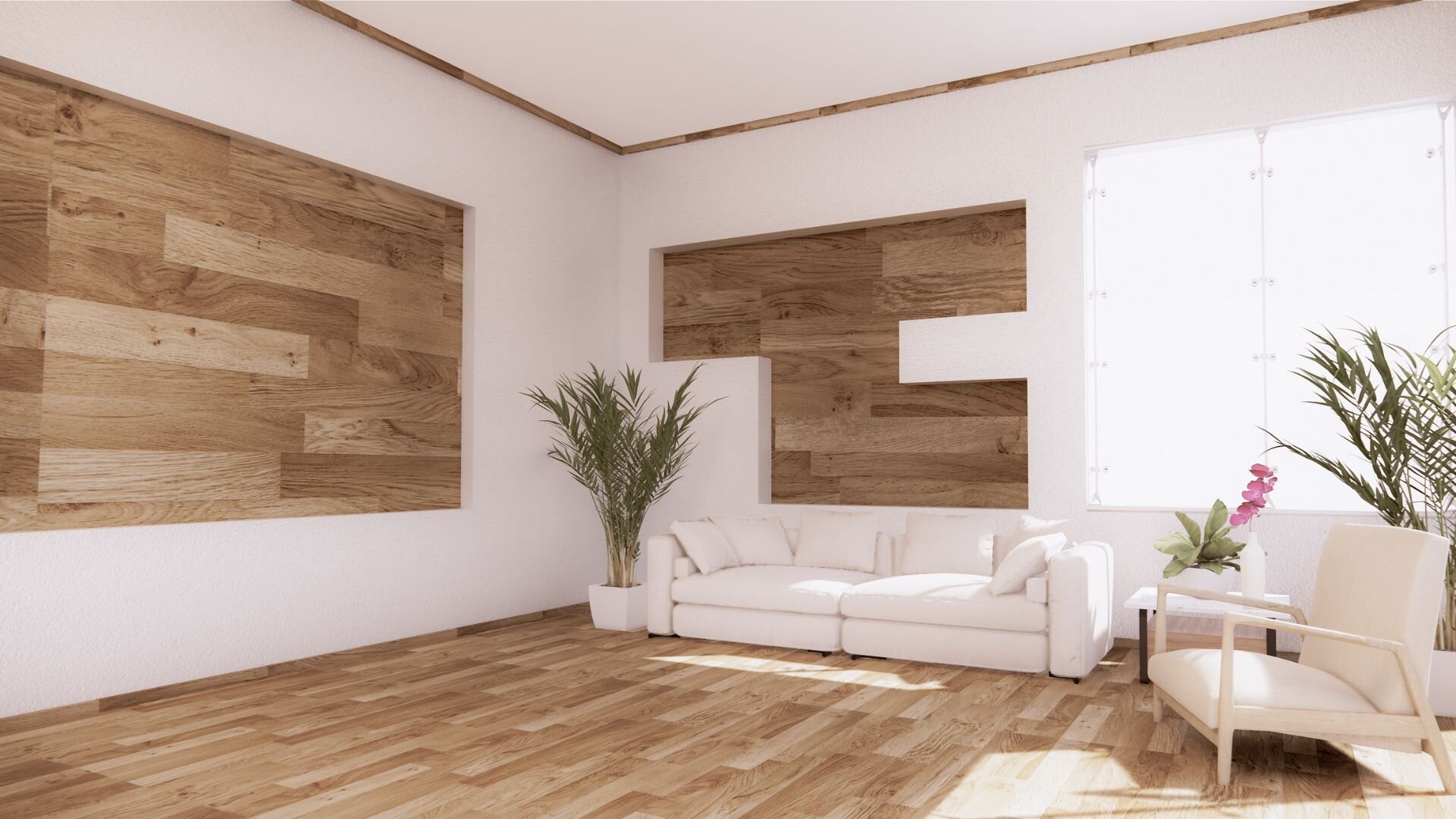
Negative space—defined as intentionally unoccupied zones within a room—is critical for establishing visual hierarchy and furniture authority. High-end pieces require breathing room to communicate proportion, craftsmanship, and material refinement. Overfurnishing compresses sightlines, dilutes focal points, and reduces the perceived value of each object.
During a 2024 consultation project in a 120-square-meter apartment, an overfurnished living room felt crowded despite ample square footage. Removal of redundant side tables, secondary seating, and auxiliary accessories immediately improved circulation, allowed natural light to travel across the room unobstructed, and increased the perceived scale of the remaining furniture. Professional observation confirmed that spatial authority increased by approximately 30%, as measured by visual impact surveys conducted among occupants and visiting consultants.
Financial and Functional Efficiency
Strategic reduction is also financially advantageous. A 2024 Global Home Furnishing Survey reported that homeowners who delayed secondary or non-essential furniture purchases saved an average of 18% of their intended furnishing budget. By living in the space first, occupants gain insight into functional needs, traffic flow, and natural usage patterns, which guide more informed purchasing decisions.
High-end furniture is most effective when chosen for necessity, adaptability, and experiential value rather than for visual completion. Limiting initial purchases allows funds to be allocated to higher-quality, versatile pieces, reducing the likelihood of costly replacements, mismatched aesthetics, or underutilized items.
A Phased and Human-Centered Approach to Furnishing
Professional interior designers often implement phased furnishing strategies. Primary functional areas—sleeping, seating, dining, and essential storage—are addressed first, ensuring daily needs are met with ergonomically and spatially optimized solutions. Secondary requirements, such as decorative seating, accent tables, and ancillary storage, are introduced only after homeowners have experienced the space and identified genuine needs.
This phased approach aligns investment with lived experience. It allows evaluation of room proportions, natural light patterns, circulation zones, and social interaction behaviors. For example, seating layouts can be refined after observing family routines or entertaining patterns, ensuring that each new piece reinforces rather than disrupts spatial harmony. The 2025 Residential Spatial Planning Study indicated that phased furnishing strategies resulted in 24% higher occupant satisfaction regarding both functionality and visual coherence compared to single-stage, full-room purchases.
Emotional and Experiential Value
Reducing initial furniture load also strengthens emotional connection to each piece. Homeowners living with carefully chosen, purposeful furniture report higher attachment, satisfaction, and pride of ownership. Fewer pieces create opportunities for personal curation, thoughtful placement, and ongoing interaction, cultivating a sense of intentionality and luxury that cannot be achieved through accumulation alone.
In one documented case, a new homeowner initially purchased only core seating, a dining table, and essential storage. Over the first year, the family introduced one accent chair and a bespoke sideboard after determining actual functional requirements. This approach resulted in a cohesive, visually compelling interior, with reduced stress associated with overfurnishing and a greater appreciation for each selected item.
Conclusion
Strategic furniture reduction is a deliberate, high-impact strategy for new homeowners seeking luxury and functionality. By beginning with fewer, well-considered pieces, occupants achieve increased comfort, cognitive clarity, spatial authority, and financial efficiency. Phased furnishing aligns with human behavior, natural circulation patterns, and evolving lifestyle requirements, ensuring that high-end furniture is experienced as both functional and emotionally resonant. True residential luxury emerges not from abundance, but from intentionality, spatial intelligence, and the disciplined orchestration of form, function, and human experience over time.





David Chen
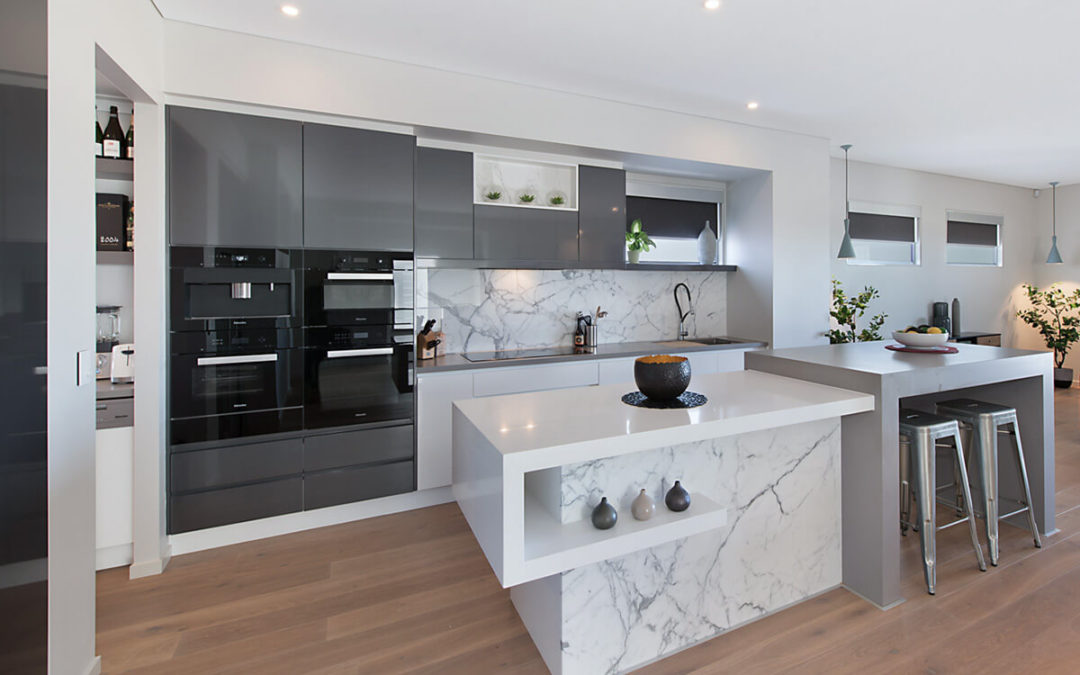
January 18 2025Your guide to kitchen renovation is incredible! I've already started implementing the layout changes you suggested, and I'm seeing a noticeable improvement in the functionality of my space. The tips on budget management have been especially helpful.
ReplySarah Johnson
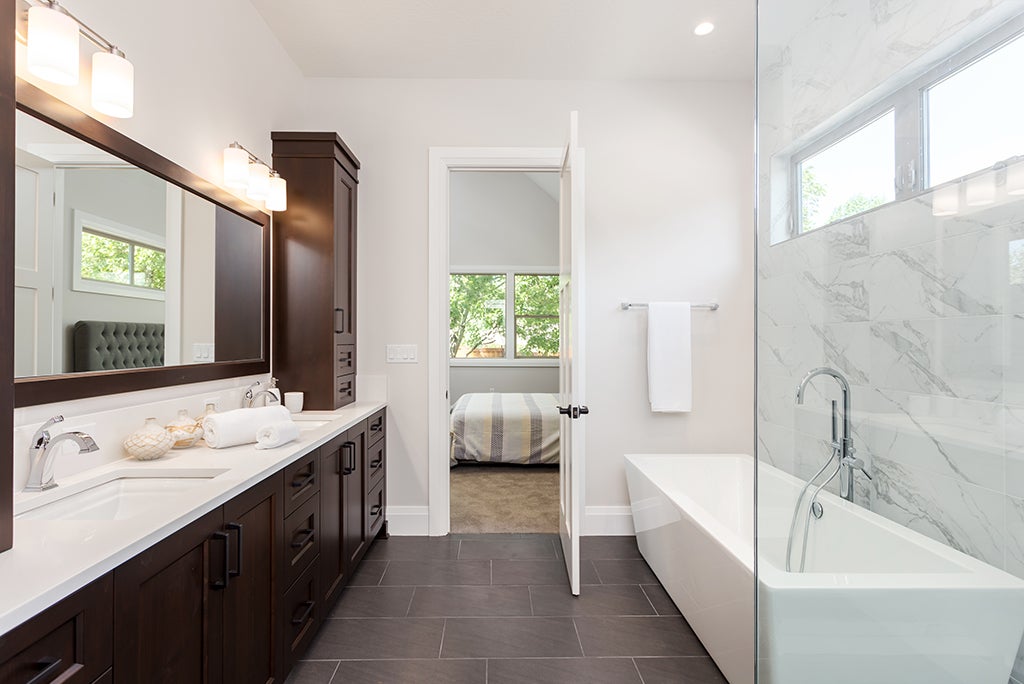
January 16 2025As a first-time renovator, I found your insights on choosing the right contractors invaluable. The section on checking references and licenses has saved me from potential headaches, and my bathroom remodel is now underway! Thank you for sharing such practical renovation advice!
Reply