
Avoiding Trend-Driven Purchases: How to Stick to Timeless Choices
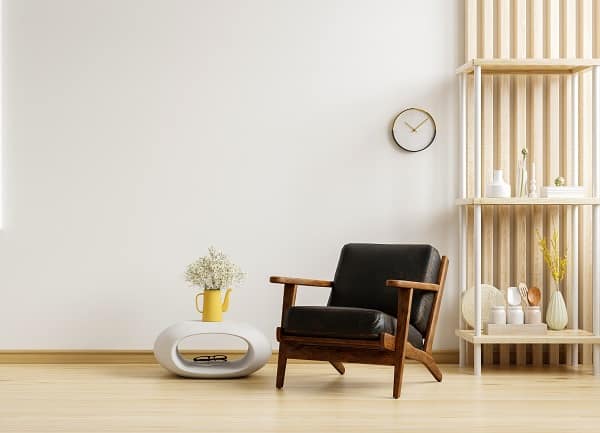
Accessories—rugs, cushions, lamps, artworks, and decorative objects—serve as the final layer in luxury interiors, refining aesthetics, reinforcing hierarchy, and enhancing daily functionality. While smaller and less expensive than anchor furniture, accessories are deceptively powerful: poorly chosen or prematurely acquired items can disrupt spatial coherence, visual balance, and long-term investment value. For new homeowners, mastering accessory strategy is essential to sustaining luxury interiors that remain refined, functional, and emotionally satisfying over decades.
The Psychological Drivers Behind Accessory Choices
New homeowners often purchase accessories impulsively due to emotional excitement, perceived incompleteness, or trend influence. Promotional sales, seasonal color stories, and social media inspiration amplify these impulses. According to the 2024 Residential Consumer Behavior Survey, 62% of first-time homeowners admitted to buying accessories they later removed or replaced within two years because the items did not fit the spatial context or long-term aesthetic vision.
Emotional gratification plays a central role. After committing to significant investments in anchor and secondary furniture, homeowners seek rapid, visible completion of their interiors. Accessories provide this instant sense of accomplishment. Without strategic planning, these purchases often lead to visual clutter, fragmented attention, and aesthetic fatigue, diminishing the authority of high-end furniture.
Separating Accessories from Anchor and Secondary Furniture Decisions
Professionals emphasize that accessories should never dictate primary spatial decisions. Anchor pieces—sofas, beds, dining tables—establish circulation, hierarchy, and visual authority. Secondary furniture supports function and flexibility. Accessories, by contrast, modulate atmosphere, connect elements, and emphasize focal points.
Premature accessory acquisition often forces compromises. For example, purchasing a statement rug before selecting a sofa can restrict seating layout options or necessitate awkward furniture positioning. Similarly, decorative lamps chosen prior to evaluating natural light and circulation may create glare or visual imbalance. Decoupling accessory decisions from core furniture selection preserves hierarchy, coherence, and functionality.
Strategic Roles of Accessories
Accessories perform three essential functions in professional interior design:
1. Modulation: Accessories refine existing furniture zones. Rugs ground seating areas, cushions adjust tactile comfort, and curtains modulate light and acoustic conditions. Modulation enhances comfort and cohesion without redefining spatial logic.
2. Connection: Repeating colors, textures, and material qualities across accessories creates visual continuity. This linking prevents interiors from appearing fragmented, particularly in open-plan layouts or multi-zone spaces.
3. Emphasis: Selected accessories highlight specific focal points, such as a reading corner, an architectural feature, or a wall segment. Emphasis should be limited and deliberate; too many focal points disrupt hierarchy and confuse visual perception.
Proportion, Scale, and Spatial Discipline
A frequent mistake in accessory selection is ignoring proportion relative to anchor furniture and room scale. Rugs that are too small fragment seating areas; oversized cushions obscure furniture lines; lamps of inappropriate height disrupt visual rhythm and ergonomics. Professionals assess accessories holistically, ensuring that each element supports both visual and functional hierarchy.
Texture and color management is equally critical. Accessories should complement the established palette and texture hierarchy, providing subtle contrast or depth without creating visual chaos. Controlled repetition of textures—soft against hard, matte against polished—adds sophistication while maintaining clarity and balance.
Phased Acquisition: Living Before Layering
Phased acquisition is a cornerstone strategy for managing accessories in high-end interiors. After anchor and secondary furniture are installed, homeowners are encouraged to occupy and use the space for several weeks or months. This experiential period reveals behavioral patterns, lighting needs, circulation preferences, and functional requirements.
Functional accessories—lighting, rugs for acoustics, and window treatments for privacy—are prioritized. Decorative objects are introduced later, once the spatial rhythm is understood. This process minimizes regret purchases, ensures spatial compatibility, and supports long-term aesthetic cohesion.
Financial Efficiency and Lifecycle Value
Accessories are often perceived as low-cost, low-risk items. In reality, frequent replacements due to trends or impulsive decisions represent a significant cumulative expense. Strategic planning reduces unnecessary expenditure, enhances durability, and maintains visual authority.
Investing in high-quality, neutral, and versatile accessories increases adaptability over time. Rugs, lighting, and decorative objects that complement multiple furniture configurations can remain relevant across years, preventing constant replacement cycles and preserving financial and aesthetic value.
Visual Calm and Emotional Satisfaction
Luxury interiors communicate confidence and emotional calm through restraint. Overcrowded or visually busy rooms suggest indecision or insecurity rather than sophistication. Professionals frequently remove, rather than add, accessories during final styling to clarify hierarchy and restore spatial authority.
Visual calm allows occupants to relax, focus, and emotionally connect with their environment. Accessories, when intentionally selected and positioned, contribute to this serenity by reinforcing hierarchy, guiding the eye, and enriching sensory experience.
Maintenance and Longevity of Accessories
Even decorative items benefit from thoughtful care. Rugs require rotation to prevent uneven wear, cushions need periodic fluffing, and decorative surfaces should be cleaned or protected against sun damage and dust accumulation. Proper maintenance preserves both functionality and aesthetic value over time, ensuring accessories age gracefully alongside furniture.
Professional Guidance and Decision Frameworks
Interior designers often employ mood boards, 3D mock-ups, and scaled floor plans to evaluate accessory impact before purchase. This professional discipline enables homeowners to predict visual interactions, circulation interference, and emotional response. Decisions are based on spatial logic, aesthetic coherence, and functional necessity rather than impulse or external trends.
Conclusion
Accessories are a powerful tool in luxury interiors, but only when governed by strategic planning, disciplined acquisition, and informed spatial analysis. By understanding psychological triggers, decoupling accessory purchases from foundational furniture decisions, respecting proportion, scale, and texture, and phasing acquisition based on real-life usage, new homeowners can enhance their interiors without compromising spatial clarity or financial efficiency.
True luxury emerges not from abundance or visual opulence, but from deliberate selection, thoughtful placement, and sustained coherence. Accessories, when integrated as deliberate refinements rather than impulsive additions, reinforce hierarchy, functional clarity, and aesthetic authority, ensuring that interiors remain refined, comfortable, and enduringly valuable over decades.


David Chen
January 18 2025Your guide to kitchen renovation is incredible! I've already started implementing the layout changes you suggested, and I'm seeing a noticeable improvement in the functionality of my space. The tips on budget management have been especially helpful.
ReplySarah Johnson
January 16 2025As a first-time renovator, I found your insights on choosing the right contractors invaluable. The section on checking references and licenses has saved me from potential headaches, and my bathroom remodel is now underway! Thank you for sharing such practical renovation advice!
Reply