Texture Layering: The Science and Art of Tactile Interiors
Texture layering is one of the most nuanced and influential strategies in high-end residential interior design, serving not only as a visual device but also as a functional and emotional tool. Through years of consulting with clients on luxury home projects, I have consistently observed that thoughtful manipulation of surface textures, fabrics, and finishes can transform a residence from a collection of furnishings into an immersive, cohesive experience. Texture layering impacts the way a space is perceived, how furniture is used, and how inhabitants interact with their environment, making it a cornerstone of both design authority and practical luxury.
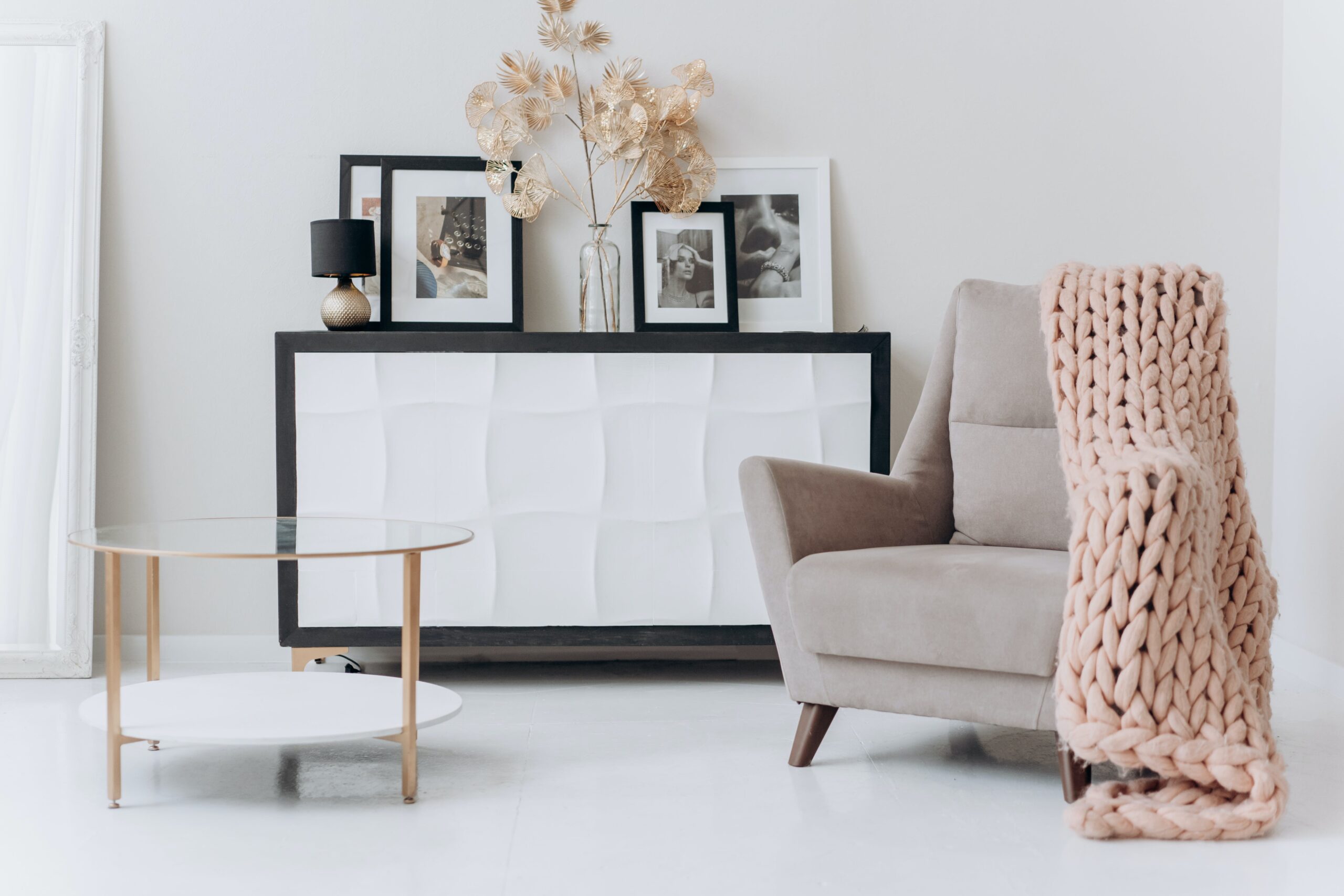
Effective texture layering begins with understanding contrast and harmony. High-end residential interiors often incorporate a mix of rough-hewn woods, smooth lacquered surfaces, polished metals, natural stone, soft linens, and plush velvets. Each material contributes distinct tactile and visual qualities. Contrasts—for instance, pairing a coarse, tactile wooden dining table with smooth, silk-upholstered chairs—create depth and dimensionality, encouraging exploration and engagement. Harmonized textures, by contrast, provide continuity across rooms and zones, allowing the eye to move comfortably from one element to another. Mismanaged textures, even when individually luxurious, can produce visual tension, confusion, or fatigue, illustrating that luxury is not merely the sum of high-quality materials but the interplay between them.
The psychological dimension of texture is equally significant. Surfaces elicit tactile and emotional responses that influence comfort, perception, and engagement. Smooth, reflective surfaces often convey precision, modernity, and formality, while soft, natural textures—linen, wool, and hand-stitched leather—communicate warmth, intimacy, and approachability. In practice, I advise clients to consider which activities will occur in each space and to select textures accordingly: dining areas may benefit from materials that tolerate use while maintaining tactility, whereas lounges and bedrooms prioritize comfort and sensory engagement. The layering of textures ensures that each interaction is both intuitive and emotionally satisfying.
Lighting is inseparable from texture. The way light grazes a surface, casts shadows, or highlights grain and weave profoundly affects perception. I often observe that the same fabric or wood can appear entirely different under varying lighting conditions—daylight, recessed LED, and accent lighting each reveal distinct qualities. For first-time homeowners, understanding this interaction is critical: furniture and finishes should be assessed in situ, at different times of day and under multiple light sources, to ensure that texture layering achieves its intended effect.
Texture layering also reinforces spatial hierarchy. High-touch, eye-level surfaces draw attention, emphasizing focal areas such as seating clusters, dining tables, or sculptural pieces. Subtler textures provide background cohesion, supporting circulation zones, transitional spaces, or secondary furniture without overwhelming the primary visual narrative. Properly orchestrated, this creates an invisible framework that guides perception, movement, and social interaction, enhancing both functional clarity and emotional resonance.
From a practical standpoint, considerations of durability, maintenance, and environmental response are essential. Materials must age gracefully, resist wear, and maintain their visual integrity over time. For example, a velvet sofa in a formal lounge can become a sensory focal point if maintained properly, while natural woods that develop patina contribute a sense of history and authenticity. I routinely advise clients to evaluate the long-term behavior of surfaces, including color retention, tactile changes, and interaction with sunlight, humidity, and everyday use. High-quality craftsmanship amplifies the effectiveness of texture layering, as seams, finishes, and joinery all contribute to the overall tactile experience.
For homeowners without prior design experience, texture layering may seem abstract, but it can be approached systematically. Begin with a base of neutral, durable surfaces to provide stability and longevity. Introduce contrasting materials selectively, emphasizing balance rather than maximalism. Consider the sensory sequence as one moves through the home: rough textures underfoot or on tables, soft textiles on seating, and smooth surfaces on decorative or reflective elements. Each layer should complement adjacent ones, creating rhythm and cohesion. Visual guides such as mood boards, physical swatches, and mock-ups are invaluable in this process, helping clients visualize and experience the interplay of textures before committing to installation.
Texture layering also intersects with lifestyle functionality. In homes with children or pets, tactile durability and cleanability become priorities without sacrificing luxury. Selecting fabrics that resist abrasion, finishes that hide fingerprints or scratches, and surfaces that retain warmth and tactility ensures that the home remains both beautiful and usable. This approach reinforces emotional trust in furniture and design: homeowners feel confident interacting with their environment, knowing that textures will endure everyday life gracefully.
In summary, texture layering in high-end residential interiors is both an art and a science. It shapes perception, guides movement, establishes spatial hierarchy, and fosters emotional engagement. Properly executed, it elevates residential spaces from mere functional areas into immersive, luxurious experiences that feel both intuitive and carefully curated. For those embarking on their first luxury renovation or interior project, understanding and applying texture layering is essential. It ensures that furniture, finishes, and materials not only perform aesthetically but also support daily living, reinforce design authority, and cultivate an environment of lasting comfort, elegance, and sophistication. Through deliberate selection, strategic combination, and attention to interaction with light and human activity, texture layering becomes a foundational tool in creating high-end homes that are resilient, engaging, and emotionally resonant over decades.