Textile Innovation in Furniture: Enhancing Tactility, Durability, and Elegance
Textiles are a foundational element in high-end residential furniture, influencing tactile sensation, visual richness, emotional resonance, and long-term durability. From my decades of experience as a designer and consultant, I have observed that thoughtfully selected and expertly integrated textiles elevate the experiential quality of interiors, bridging comfort, aesthetic sophistication, and sustainable practice. For clients who may be new to luxury design or seeking guidance in furnishing their homes, understanding textile strategy is essential to achieving enduring quality and a refined atmosphere.
Material selection is the cornerstone of textile integration. Luxury furniture demands fibers that combine softness, resilience, and longevity. Natural fibers such as high-grade cotton, silk, wool, and linen provide warmth, breathability, and subtle tactile complexity, while plant-based synthetics and innovative blends enhance durability, stain resistance, and maintenance ease. Advanced finishing technologies—including anti-stain coatings, UV protection, moisture-wicking layers, and tactile embossing—allow textiles to maintain aesthetic integrity and performance over years of use. The choice of weave, thread count, and density is equally critical, as these factors influence both hand feel and visual depth, contributing to an overall sense of refinement that communicates authority and expertise to the homeowner.
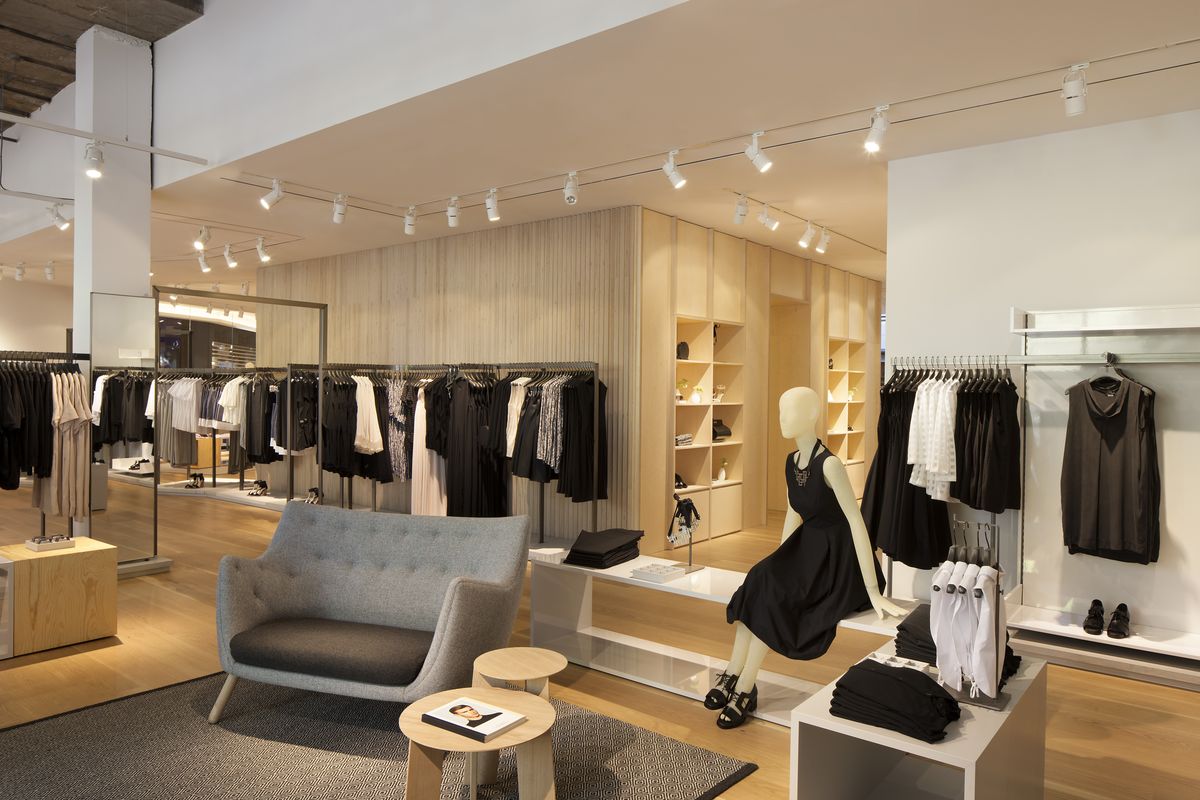
Visual and spatial impact is a central consideration. Textiles interact with light, shadow, and surrounding materials, influencing the perception of space and color harmony. Patterned fabrics, subtle textures, and layered upholstery create visual rhythm and focal points, establishing cohesion across a room while enhancing emotional resonance. Layering strategies, such as pairing soft cushions with textured throws or combining tactile rugs with upholstered seating, generate depth and invite tactile interaction, reinforcing the homeowner’s engagement with the environment. In this way, textiles not only support comfort but also function as a language of luxury, communicating subtle sophistication and deliberate design intent.
Ergonomics and functional integration are equally important. Cushioning systems, tension adjustments, and supportive fillings are calibrated to work seamlessly with chosen textiles, maintaining proper posture, comfort, and usability over time. Techniques such as tufting, channeling, and differential density padding ensure that furniture adapts naturally to human interaction, while textile resilience guarantees that aesthetics are not compromised by daily use. Iterative prototyping, user testing, and client feedback are critical steps in refining textile integration, ensuring both visual elegance and functional performance, particularly for those unfamiliar with high-end furniture considerations.
Sustainability is an increasingly vital component of textile selection in luxury design. Ethically sourced fibers, environmentally responsible dyeing and finishing processes, and recyclable or biodegradable components align high-end aesthetics with ecological consciousness. Sustainable textiles maintain performance and aesthetic integrity while contributing to a narrative of responsibility and foresight, strengthening client trust and demonstrating authority in material selection. For new homeowners, understanding how textiles balance luxury, longevity, and environmental stewardship can guide informed investment in furniture that remains beautiful and relevant over decades.
Maintenance and lifecycle management further underpin the value of textile choice. High-quality fabrics can withstand repeated cleaning, exposure to sunlight, and regular use without loss of texture, color, or tactile satisfaction. Detailed care instructions, protective accessories, and periodic conditioning support longevity, ensuring that the experiential qualities of furniture are preserved and that clients derive continuous emotional satisfaction. This transparency and foresight communicate professionalism and authority, particularly for clients new to luxury furnishings.
Beyond practical considerations, textiles contribute significantly to the emotional and psychological experience of interiors. Soft fabrics evoke warmth and intimacy, while structured weaves provide visual clarity and sophistication. The combination of comfort, aesthetic refinement, and tactile engagement fosters a sense of trust, well-being, and satisfaction for occupants, establishing interiors that feel intentionally curated and emotionally resonant. Strategic use of textiles also enables seasonal variation, allowing homeowners to subtly refresh visual narratives and tactile experiences throughout the year, further enhancing the perception of luxury and experiential depth.
In conclusion, textiles are not secondary or decorative afterthoughts in high-end furniture—they are central to the perception of quality, comfort, and sophistication. Integrating advanced, durable, and aesthetically refined textiles enhances both tactile and visual experience, supporting ergonomic function, environmental responsibility, and emotional engagement. For clients entering the world of luxury residential interiors, thoughtful textile selection provides a tangible point of guidance, authority, and trust, ensuring that furniture delivers enduring beauty, practical comfort, and immersive experiential richness. By considering fiber quality, weave structure, finish technology, ergonomics, sustainability, and spatial interplay, designers create interiors that are visually compelling, sensorially engaging, and experientially refined, demonstrating expertise, credibility, and authority in high-end residential furniture design.