Sculptural Furniture: Blurring Function and Artistic Expression
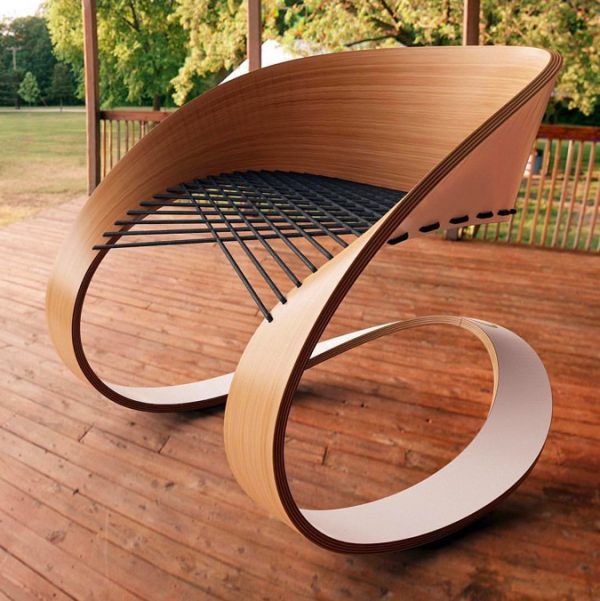
In the realm of high-end residential design, sculptural furniture represents one of the most nuanced intersections between function, aesthetics, and lived experience. Unlike conventional furniture that prioritizes utility first and appearance second, sculptural furniture operates simultaneously as a functional object and as a spatial statement. Over more than two decades of professional practice as a designer and consultant, I have consistently observed that the most memorable and enduring luxury interiors are those in which sculptural furniture is integrated thoughtfully, not as decoration, but as an active participant in how a home is experienced, navigated, and emotionally perceived.
At its core, sculptural furniture reshapes the narrative of space. A home is not simply a collection of rooms; it is a sequence of experiences. Sculptural pieces—whether a hand-formed chair, a carved console, or a monolithic dining table—act as punctuation marks within that sequence. They slow movement, invite attention, and create moments of pause. For first-time homeowners or renovation clients, this is a critical insight: sculptural furniture should not be chosen to fill space, but to give space meaning. When selected and placed with intention, a single sculptural piece can define an entire room’s character more effectively than multiple conventional furnishings.
Designing sculptural furniture demands a deep understanding of material behavior and structural logic. Unlike mass-produced items that rely on standardized forms, sculptural furniture often challenges gravity, balance, and conventional geometry. In my collaborations with artisans and manufacturers, we frequently explore unconventional material combinations—resin-infused hardwoods, cast bronze paired with stone, laminated glass layered with metal substrates. These materials are chosen not for novelty, but for their ability to support expressive form while maintaining structural integrity under daily use. This balance between visual daring and engineering discipline is what establishes trust and authority in high-end furniture design.
Ergonomics remain non-negotiable, even in the most expressive pieces. A sculptural chair that cannot support the human body comfortably will quickly lose its relevance in a residential setting. Through prototyping and physical testing, we refine seat heights, back angles, and contact points to ensure that sculptural furniture invites use rather than intimidation. This is a frequent concern for inexperienced homeowners, who may fear that sculptural furniture is “too artistic” to live with. In reality, the most successful pieces are those whose comfort reveals itself gradually, rewarding repeated interaction.
Spatial placement is where sculptural furniture exerts its strongest influence. Unlike conventional furniture that typically aligns with walls or predefined layouts, sculptural pieces often require breathing room. Negative space becomes part of the composition, allowing form, shadow, and proportion to register fully. A freestanding sculptural console in a hallway can transform a purely transitional zone into a destination, while a singular chair placed near a window can redefine how light and landscape are experienced from within the home. For renovation clients, understanding this principle prevents overcrowding and encourages restraint—two essential components of enduring luxury.
Circulation is directly affected by sculptural furniture. Because these pieces often occupy visual and physical prominence, they subtly guide movement. A curved sofa can soften circulation paths, encouraging flow rather than rigid direction. A central sculptural table can organize seating and interaction without the need for additional spatial cues. From a behavioral standpoint, sculptural furniture teaches occupants how to move through space intuitively, reinforcing comfort and clarity rather than confusion.
Material selection and surface finish play an outsized role in how sculptural furniture is perceived over time. Polished metals reflect light dynamically, changing character throughout the day, while matte woods absorb light and emphasize form over sheen. Textured surfaces invite touch, reinforcing emotional engagement. In my professional guidance, I emphasize finishes that age with dignity. Highly polished or delicate surfaces may photograph well initially, but often require excessive maintenance, undermining daily enjoyment. Materials that develop patina—bronze, full-grain leather, natural wood—strengthen emotional attachment as they record use rather than resist it.
Lighting integration is inseparable from sculptural furniture design. Directional lighting can dramatize form, casting shadows that emphasize curvature and depth, while diffuse lighting softens presence and integrates pieces into the broader environment. For homeowners unfamiliar with lighting design, this relationship is often underestimated. A sculptural piece under flat, overhead lighting can appear heavy or unresolved, whereas thoughtful accent lighting can reveal refinement and craftsmanship. This reinforces an important lesson: sculptural furniture should be considered in tandem with lighting strategy, not as an isolated object.
From a psychological perspective, sculptural furniture contributes to identity formation within the home. These pieces often carry cultural references, artistic influences, or bespoke narratives that reflect the homeowner’s values and aspirations. Unlike trend-driven furnishings, sculptural furniture tends to resist rapid obsolescence because it is not anchored to a specific fashion cycle. Instead, it functions as a personal artifact—something chosen deliberately rather than impulsively. Over time, this strengthens emotional durability and reinforces the sense of home as a personal sanctuary rather than a display space.
Customization further elevates sculptural furniture’s role. Bespoke dimensions, tailored finishes, and collaborative design processes allow furniture to respond precisely to architectural context and lifestyle needs. For clients new to custom design, I often recommend beginning with one sculptural anchor piece rather than attempting to customize everything at once. This measured approach builds confidence, controls cost, and ensures that the sculptural element remains legible and impactful.
Sustainability is an increasingly relevant dimension. Sculptural furniture, when designed responsibly, often aligns naturally with sustainable principles. Limited production, durable materials, and long service life reduce waste and consumption. By investing in fewer, better pieces, homeowners minimize environmental impact while maximizing experiential value. This long-term perspective reinforces trust between designer, client, and maker.
In conclusion, sculptural furniture in high-end residential interiors is far more than an aesthetic indulgence. It is a multidimensional design tool that shapes space, guides behavior, expresses identity, and reinforces craftsmanship. When approached with material intelligence, ergonomic sensitivity, and spatial awareness, sculptural furniture elevates homes from visually pleasing environments into deeply personal, experiential spaces. For first-time homeowners and renovation clients alike, understanding the role of sculptural furniture is a step toward mature, confident design decisions—ones that prioritize longevity, meaning, and lived quality over fleeting visual impact.