Quiet Luxury vs. Visual Luxury: What Actually Lasts in Residential Design
In recent years, the term "quiet luxury" has gained popularity, yet it is often misunderstood as a trend rather than a design philosophy. In residential interiors, the distinction between quiet luxury and visual luxury determines whether a home matures gracefully or becomes dated within a decade.
Visual luxury relies on immediate impact: bold forms, high-contrast materials, dramatic finishes, and furniture designed to impress at first glance. While this approach photographs well, it frequently struggles in long-term residential use. Residents report fatigue, emotional distance, and difficulty adapting such spaces to evolving lifestyles.
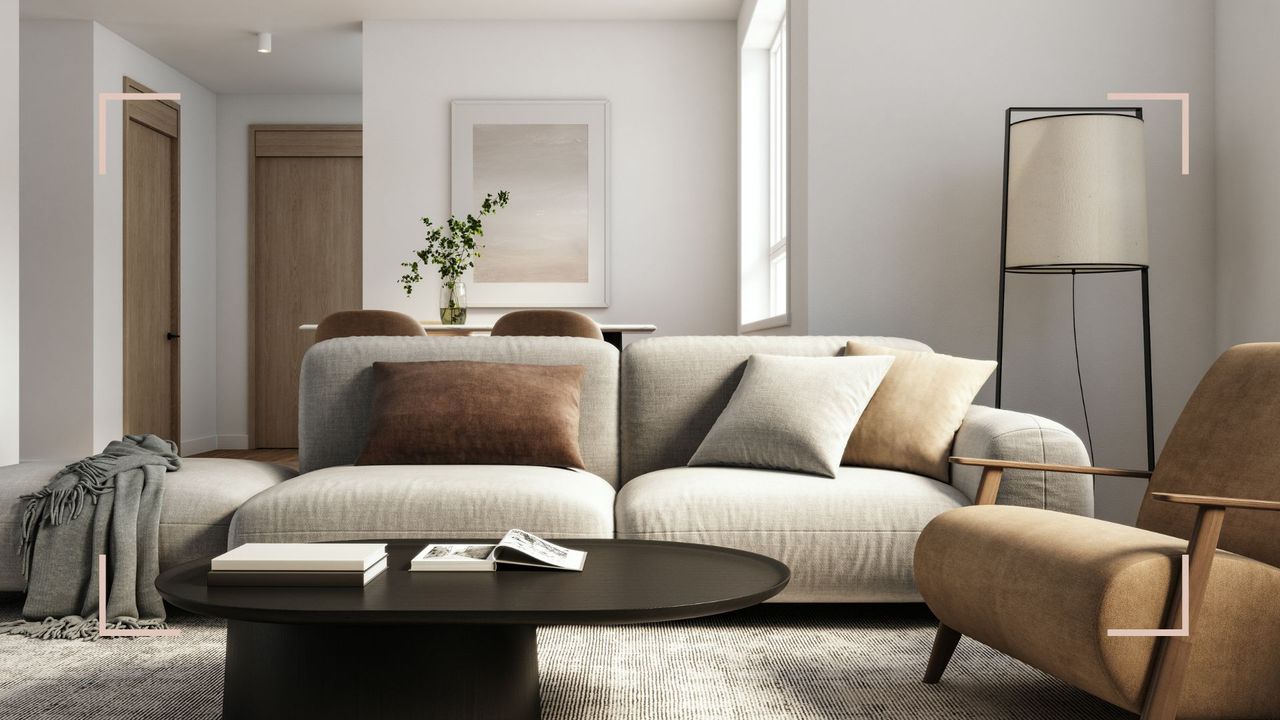
Quiet luxury, by contrast, is cumulative. It reveals itself through consistency, proportion, and tactile experience. Furniture pieces are selected not to dominate attention, but to support daily rituals—sitting, dining, resting, gathering. Materials are chosen for how they age, how they feel under the hand, and how they respond to natural light across seasons.
From an experiential standpoint, quiet luxury fosters emotional security. The home becomes a place of restoration rather than performance. Authority in design emerges through restraint and coherence rather than spectacle.
Ultimately, the longevity of a luxury home depends less on how striking it appears initially and more on how deeply it supports the lives lived within it. Quiet luxury endures because it is rooted in human experience, not visual excess.