Material Innovation: Pioneering Sustainable Luxury in Interiors
Sustainability has become a defining and unavoidable criterion in contemporary luxury furniture design, fundamentally reshaping how value, craftsmanship, and opulence are understood. In earlier eras, luxury was often equated with rarity, excess material use, and visual extravagance. However, through decades of professional consultancy across high-end residential and bespoke furniture projects, I have observed a decisive shift: true luxury is now increasingly measured by responsibility, longevity, and material intelligence. Sustainable design no longer exists at the margins of luxury; it sits at its core, influencing client expectations, design processes, and the narratives embedded within furniture and interiors.
The evolution of materials is central to this transformation. Traditional luxury furniture relied heavily on virgin hardwoods, mined metals, exotic leathers, and resource-intensive finishes. While these materials still hold aesthetic and cultural significance, their uncritical use is increasingly questioned. In response, designers and manufacturers have expanded their material vocabulary to include ethically sourced timbers, engineered woods, recycled metals, bio-based resins, reclaimed stone, and plant-derived textiles. These alternatives are not compromises; rather, they represent an expansion of creative possibility, enabling designers to meet both environmental responsibility and aesthetic ambition.
Sustainable luxury materials require a level of scrutiny that exceeds conventional specification processes. My own approach emphasizes rigorous evaluation across several dimensions: lifecycle performance, sourcing transparency, durability under real-world conditions, tactile quality, and finish adaptability. Materials must withstand daily use, age gracefully, and remain visually compelling over time. This is especially critical in high-end residential contexts, where furniture is expected to perform as both a functional asset and a long-term emotional investment. By prioritizing materials with documented supply chains and measurable environmental impact, designers reinforce trust and authority with discerning clients.
Engineered woods illustrate this balance particularly well. Advanced plywoods, cross-laminated timber, and veneer-core composites allow for structural strength, dimensional stability, and reduced reliance on old-growth forests. When paired with expertly selected veneers and hand-finished surfaces, these materials can rival or exceed the visual richness of solid hardwood while offering superior performance. Similarly, recycled metals—such as aluminum, steel, and bronze—can be cast, polished, patinated, or brushed to achieve refined finishes that align seamlessly with luxury aesthetics. Their sustainability lies not only in reduced extraction but also in their ability to be reprocessed repeatedly without loss of quality.
Material innovation also extends into bio-resins, mineral composites, and plant-based polymers. These materials open new formal and tactile possibilities, allowing designers to experiment with translucency, fluid geometry, and integrated coloration. Through collaboration with material scientists and artisans, I have explored mineral-infused resins that mimic stone while remaining lighter and more adaptable, as well as bio-based binders that reduce reliance on petrochemicals. Such innovations demonstrate that sustainability can drive, rather than limit, creative expression.
Textiles represent another critical frontier in sustainable luxury. Natural fibers such as linen, hemp, wool, and organic cotton have been recontextualized through advanced weaving techniques, natural dye processes, and hybrid blends that enhance durability and softness. Plant-based leathers, mycelium composites, and recycled fabric technologies further expand options for upholstery and soft furnishings. These materials must meet heightened expectations for comfort, tactility, and visual depth, as luxury clients are acutely sensitive to how furniture feels in daily use. The success of sustainable textiles depends on their ability to satisfy sensory expectations while aligning with ethical values.
Craftsmanship plays a pivotal role in elevating sustainable materials to luxury status. Hand-laminated veneers, naturally pigmented finishes, and traditional joinery techniques introduce nuance and individuality that mass production cannot replicate. By combining time-honored craft methods with contemporary sustainable materials, designers create a dialogue between heritage and innovation. This synthesis reassures clients that sustainability is not a departure from quality, but a continuation of craftsmanship adapted to modern realities.
The experiential dimension of sustainable luxury materials is equally important. Texture, weight, temperature, and acoustic properties all influence how furniture is perceived and used. Matte finishes absorb light and emphasize form, while polished surfaces reflect surroundings and shift character throughout the day. Organic textures invite touch and foster emotional engagement, reinforcing a sense of authenticity and comfort. My expertise guides clients toward materials that respond intelligently to both natural and artificial light, ensuring visual richness across changing conditions.
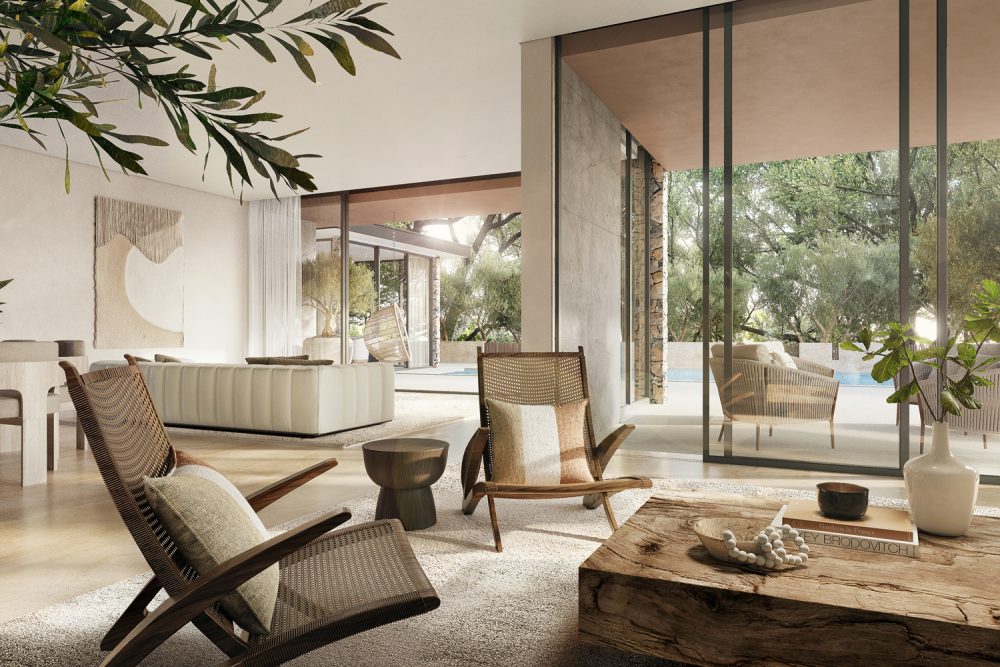
Integration within the broader spatial design is essential. Sustainable materials must be evaluated in context, considering architectural scale, lighting strategy, and adjacent surfaces. A reclaimed wood table may appear heavy in one setting but grounded and harmonious in another, depending on ceiling height, window placement, and material contrast. The interplay between polished and matte, reflective and absorptive, organic and geometric elements contributes to layered visual storytelling. When orchestrated carefully, sustainable materials enhance spatial coherence rather than drawing attention solely to their ethical credentials.
From a psychological standpoint, sustainable luxury materials resonate deeply with contemporary homeowners. Increasingly, clients seek environments that reflect personal values alongside aesthetic preferences. Furniture crafted from responsibly sourced or reclaimed materials carries narrative weight, signaling care, awareness, and intentionality. This narrative dimension strengthens emotional attachment and long-term satisfaction, transforming furniture from a consumable object into a meaningful artifact within the home.
Longevity is a defining principle of sustainable luxury. Rather than chasing rapid trends, sustainable furniture design prioritizes timeless forms, repairability, and adaptability. Materials that can be refinished, reupholstered, or repurposed extend product lifespan and reduce waste. This long-term perspective aligns closely with the expectations of high-end clients, who value enduring quality over short-lived novelty. By designing with maintenance and aging in mind, designers reinforce credibility and deliver tangible value beyond initial installation.
Sustainable luxury also reshapes the client–designer relationship. Transparency around material sourcing, production methods, and environmental impact builds trust and positions the designer as both expert and advisor. Clients are increasingly informed and engaged, seeking guidance rather than mere specification. By articulating the reasoning behind material choices—balancing ethics, performance, and aesthetics—designers assert authority while fostering collaborative decision-making.
Ultimately, sustainable luxury furniture design is about reconciliation: reconciling beauty with responsibility, innovation with tradition, and personal expression with global awareness. It challenges outdated assumptions that sustainability diminishes luxury, demonstrating instead that ethical consideration can enhance depth, meaning, and experiential richness. Through disciplined material selection, rigorous evaluation, and thoughtful integration, designers create furniture that is visually compelling, functionally robust, and environmentally conscious.
In conclusion, sustainability is not a constraint on luxury furniture design but a catalyst for its evolution. By embracing advanced materials, responsible sourcing, and craftsmanship-driven innovation, designers elevate both the physical environment and the values it represents. The resulting interiors are future-conscious yet timeless, refined yet honest—spaces where aesthetics, function, and ethics coexist harmoniously. This approach exemplifies expertise, authority, and trust, redefining luxury as an enduring, responsible, and deeply human experience.