Material Calm: How Visual Restraint Creates Lasting Luxury Interiors
High-end residential interiors often fall into the trap of visual abundance—multiple rare materials, dramatic finishes, and statement furniture competing for attention. While such interiors may impress initially, they frequently age poorly, overwhelm daily life, and create spaces that feel stressful rather than restorative. In contrast, material calm is a defining characteristic of enduring luxury homes, providing both functional comfort and emotional satisfaction.
Defining Material Calm
Material calm does not imply monotony or dullness. Rather, it is a disciplined approach in which materials are carefully selected for tactile richness, durability, and how they evolve over time, rather than for novelty or trend-driven appeal. For example, solid walnut, European oak, honed marble, and textiles with natural depth—such as high-quality wool or linen—offer both longevity and visual interest without competing for attention. These materials age gracefully, developing character while maintaining aesthetic integrity. By choosing finishes that respond well to light, shadow, and daily wear, designers create a living environment that remains elegant and coherent for decades.
Emotional and Cognitive Implications
In residential settings, visual noise often translates to emotional noise. Homes are not static galleries; they are lived environments where daily routines, interactions, and sensory experiences define comfort. When every surface demands attention through high-contrast patterns, reflective metals, or aggressively glossy finishes, the mind struggles to relax. I have consistently observed that clients feel more at ease in interiors where materials operate harmoniously, allowing light, shadow, and human activity to animate the space naturally. In one high-end renovation, we replaced a series of competing metallic accents with a restrained palette of patinated bronze, matte stone, and warm walnut. The result was a living area that felt spacious, calm, and inviting, and the family reported a noticeable improvement in daily comfort and mental clarity.
The Role of Tactility
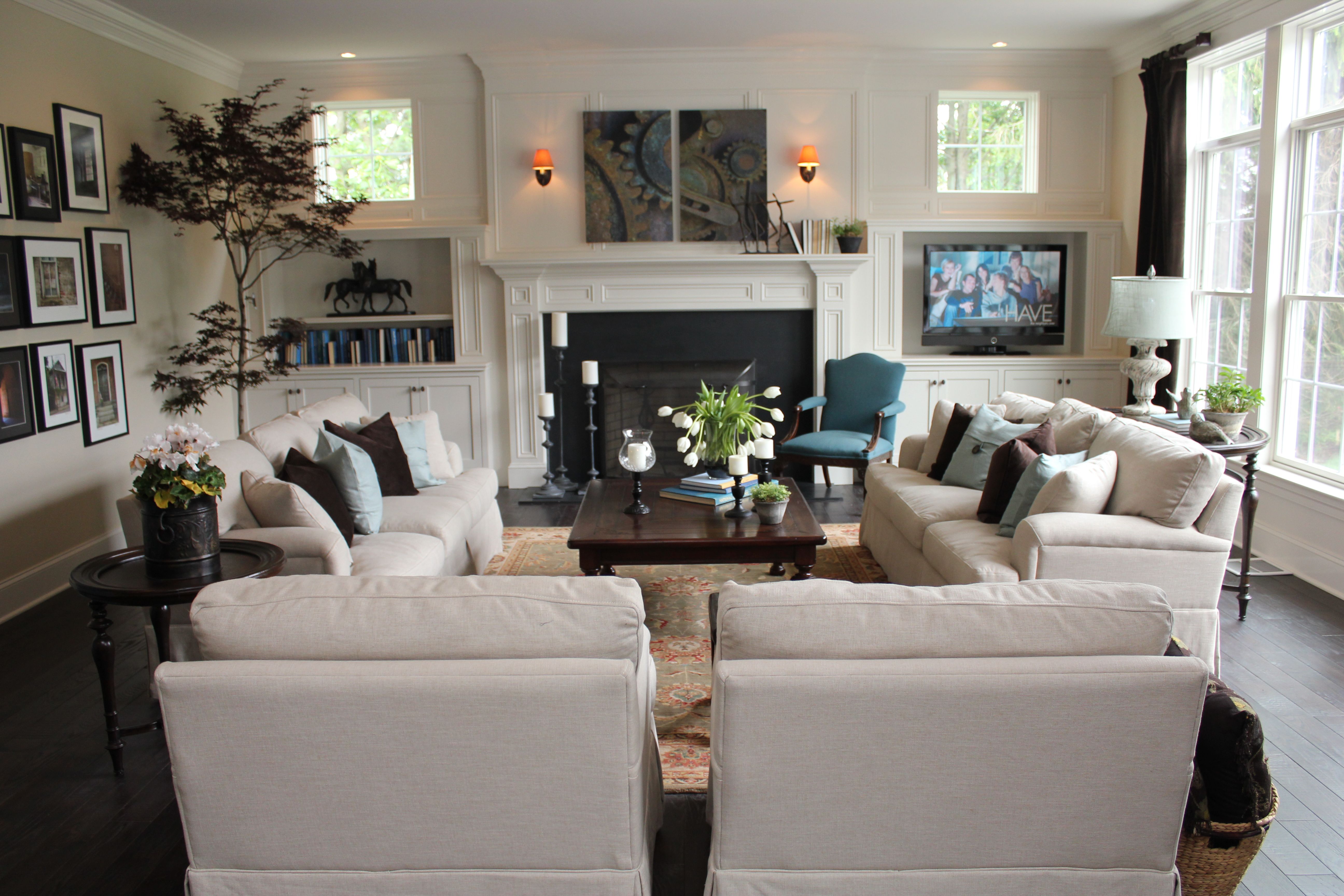
Material calm also relies heavily on tactile quality. Furniture surfaces that feel substantial and natural—such as hand-finished wood, soft leather, or textured fabrics—communicate luxury through touch as much as through sight. In contrast, synthetic laminates and high-gloss plastics, while visually striking, often feel hollow or artificial, undermining both perceived quality and user comfort. In my experience, tactile richness increases engagement with furniture and interiors, encouraging relaxation, interaction, and satisfaction over the long term. A living room with layered materials that appeal to multiple senses—soft upholstery, warm wood, and subtly textured stone—creates a multi-dimensional experience without overwhelming the resident.
Spatial and Hierarchical Clarity
Authority in luxury design emerges from the ability to exclude unnecessary complexity. By reducing competing materials, a designer clarifies the hierarchy of furniture, circulation, and functional zones. Key pieces gain prominence precisely because they are not competing with excessive finishes or textures. In one project, a statement dining table made of American walnut was paired with subdued stone flooring and minimal metallic accents. Its centrality and craftsmanship were immediately apparent, emphasizing its functional and aesthetic importance while supporting a harmonious surrounding environment.
Spatial clarity is similarly reinforced through material restraint. When floors, walls, and furniture surfaces are curated for cohesion, sightlines become more intelligible, circulation is more intuitive, and rooms feel proportionally balanced. Material calm enables residents to navigate their spaces effortlessly, creating a sense of ease and authority in the home.
Longevity and Aging Gracefully
One of the greatest advantages of material calm is its resilience to aging. Unlike interiors driven by fleeting trends—high-gloss finishes, exotic veneers, or highly patterned textiles—disciplined material choices remain relevant over decades. Wood develops patina, metals oxidize beautifully, and natural fabrics gain softness without compromising structural integrity. For instance, in a client residence furnished with solid oak shelving and leather lounge seating, both the aesthetic appeal and comfort improved over a ten-year period. The furniture became more integrated with the environment, reinforcing the sense of home as a living, evolving space rather than a static display.
By contrast, interiors with excessive visual contrast often require constant refreshment. Clients frequently report that trend-driven materials, while initially impressive, quickly feel outdated or discordant with changing furniture, décor, or lighting. Material calm offers an antidote: restrained palettes, timeless finishes, and tactility that prioritize lived experience over visual spectacle.
Emotional Durability
Material calm contributes not only to visual and functional durability but also to emotional durability. Furniture and finishes that age gracefully, feel pleasant to the touch, and interact harmoniously with light and space foster an enduring sense of satisfaction. Residents develop a positive relationship with their home, finding comfort in both daily routines and special occasions. In my professional experience, clients often describe homes with restrained material palettes as 'grounding' or 'restorative,' while visually aggressive spaces can feel tiring or chaotic. Emotional durability—where spaces continue to feel appropriate and comforting over years—is a hallmark of successful high-end residential interiors.
Strategic Restraint in Luxury Design
Implementing material calm requires deliberate and informed restraint. Luxury homeowners often seek to display wealth or sophistication through rare materials or bold design choices, but true authority lies in understanding what to exclude. For example, a home office with a single, high-quality walnut desk, linen wall coverings, and soft leather seating conveys elegance and focus far more effectively than a space crowded with multiple exotic surfaces and contrasting patterns. Strategic restraint allows homeowners to enjoy the tactile and aesthetic benefits of high-end materials without cognitive overload or visual competition.
Professional Insights and Case Studies
In practice, achieving material calm involves combining professional expertise with careful client education. I advise clients to prioritize tactile quality, aging behavior, and visual harmony over novelty. In one high-end project, a client initially favored bold metallic finishes and glossy surfaces. Through a series of material studies and mock-ups, we transitioned to warm walnut, honed marble, and muted textile tones. Over the next five years, the family reported increased satisfaction and comfort, noting that the subdued palette supported both daily life and social gatherings without distraction.
Another case involved a large living room in a luxury apartment. Initially furnished with multiple statement pieces in conflicting finishes, the space felt visually cluttered and disjointed. By refining the palette to three complementary materials and emphasizing texture and tactile experience, the room gained clarity, functionality, and emotional resonance. Visitors consistently commented on the sense of calm and cohesion, illustrating how material restraint amplifies both usability and perceived quality.
Conclusion
Ultimately, material calm is an essential principle of enduring luxury interiors. It is defined by thoughtful selection of materials for tactility, aging behavior, and emotional resonance rather than visual novelty or excessive contrast. By emphasizing restraint, spatial clarity, and sensory harmony, designers create interiors that support daily living, encourage relaxation, and foster lasting emotional satisfaction.
Luxury in residential design is not accumulation but refinement. Homes that embody material calm communicate confidence, authority, and taste, offering comfort, longevity, and emotional durability that spectacle-driven spaces rarely sustain. For homeowners and renovation clients, embracing material calm ensures interiors that age gracefully, remain relevant over decades, and transform furniture and finishes into enduring elements of personal and functional meaning.