Luxury Storage Solutions: Beyond Function to Experiential Elegance
Luxury storage solutions in high-end residential interiors extend far beyond basic functionality, serving as pivotal elements that define spatial narrative, enhance visual sophistication, and elevate the overall user experience. Through decades of professional practice in luxury interior design, I have observed that storage systems—whether integrated cabinetry, bespoke shelving, or adaptive modular units—play a critical role in shaping how spaces are perceived, interacted with, and emotionally experienced. Properly executed storage design integrates material intelligence, ergonomic precision, spatial orchestration, and aesthetic refinement, resulting in solutions that are simultaneously practical, visually compelling, and experientially rich.
Material selection is foundational to luxury storage. High-quality woods, engineered veneers, metals, glass, and composite materials are evaluated not only for durability and longevity but also for tactile richness, visual depth, and compatibility with surrounding finishes. Exotic hardwoods with refined grain patterns, polished metals with subtle reflective properties, and glass surfaces with precision tempering contribute to a sensory experience that enhances the perception of quality. The layering of materials, the interplay of matte and glossy finishes, and attention to edge detailing ensure that every touchpoint communicates authority, craftsmanship, and refined taste. These material decisions are informed by rigorous testing, life-cycle analysis, and sustainability considerations, reinforcing credibility and establishing trust with clients who expect long-term durability without compromising aesthetic integrity.
Craftsmanship elevates storage solutions from utilitarian objects to works of art. Techniques such as hand-planing, precision joinery, marquetry, inlay, and hand-applied finishes are employed to ensure structural soundness, functional reliability, and visual sophistication. Artisanal involvement in creating custom hardware, concealed hinges, and bespoke fittings adds another layer of refinement. The integration of these techniques demonstrates professional authority and expertise, signaling a meticulous attention to detail that high-end clients associate with luxury interiors. This commitment to craft ensures that storage solutions not only perform reliably but also convey emotional and aesthetic resonance, enhancing occupant satisfaction and experiential quality.
Spatial intelligence is critical to achieving both functional efficiency and experiential impact. Storage must accommodate circulation, sightlines, and natural interaction patterns while maintaining visual balance within a room. Modular and adaptive systems allow for reconfiguration to suit changing needs, supporting both everyday use and special occasions. Cabinet heights, shelving depth, and compartmentalized arrangements are carefully calibrated to ergonomically support ease of access, minimize strain, and encourage intuitive interaction. Integration with lighting—both ambient and task-focused—enhances visibility, highlights key objects, and creates a layered perception of depth. This holistic approach demonstrates an understanding of human behavior, environmental interaction, and spatial psychology, reinforcing the designer’s authority in creating responsive and user-centered interiors.
Ergonomic and functional considerations are seamlessly integrated into the design of luxury storage. Drawers, doors, and compartments are engineered for smooth operation, soft-close mechanisms, and tactile responsiveness, ensuring that daily interactions with storage are effortless and satisfying. Adaptable shelving heights and adjustable compartments accommodate varying object sizes, supporting both functionality and long-term flexibility. By embedding ergonomic intelligence into storage solutions, designers align practical utility with experiential comfort, reflecting expertise, precision, and credibility in human-centered design.
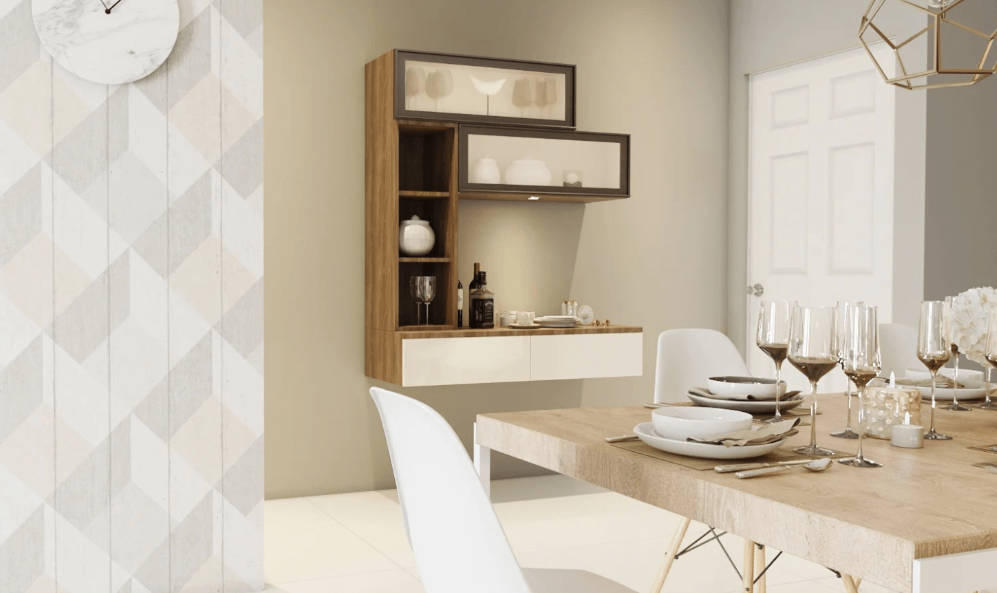
Aesthetic integration ensures that storage complements surrounding furniture, architectural elements, and decorative features. Consistent material palettes, proportionate scaling, and harmonized design motifs create a visual coherence that reinforces the perception of luxury. Finishes are carefully selected to reflect light appropriately, accentuate texture, and create visual rhythm throughout the space. Customization—through concealed compartments, display niches, and curated object spaces—adds experiential depth, encouraging engagement and interaction while subtly guiding movement and attention. The balance between visibility and concealment ensures that storage solutions are both functional and visually elegant, supporting the overall narrative of sophistication in high-end interiors.
Lighting strategy plays a central role in luxury storage design. Integrated LED strips, accent lighting, and reflective surfaces enhance visibility, showcase curated items, and provide a sense of drama and refinement. Lighting is calibrated to highlight textures, reveal material richness, and guide the user’s interaction with the storage system. By considering the interplay of natural and artificial light, designers create dynamic and immersive experiences that evolve throughout the day, reinforcing emotional resonance, spatial depth, and the perception of luxury.
Sustainability and longevity are increasingly integral to storage design in high-end interiors. Responsibly sourced woods, low-impact finishes, recycled metals, and long-lasting composite materials ensure that storage solutions are environmentally conscious without compromising aesthetic or functional quality. Lifecycle considerations, ease of maintenance, and durability are evaluated alongside design integrity, establishing a dialogue between ecological responsibility and luxury standards. Clients recognize the added value of these considerations, reinforcing trust and authority in the designer’s expertise.
Psychological and experiential benefits are central to luxury storage. Thoughtfully designed systems reduce visual clutter, enhance organization, and create a sense of calm and order within interiors. Modular and adaptive elements empower residents to curate their environment, fostering engagement and interaction. Concealed storage maintains minimalist aesthetics while open display areas enable personalization and expression of taste, creating a balance between practicality, emotional resonance, and visual impact. This layered approach supports experiential richness and reinforces the perception of considered, authoritative design.
Technology integration enhances modern storage solutions without compromising luxury. Built-in charging stations, sensor-activated lighting, motorized compartments, and hidden media storage support functionality and convenience while maintaining clean lines and visual elegance. Seamlessly embedding technology ensures that storage solutions remain refined and intuitive, reinforcing trust, credibility, and the perception of expertise in contemporary high-end interiors.
Ultimately, luxury storage solutions in residential interiors are a convergence of art, craft, ergonomics, spatial intelligence, and technological integration. By carefully orchestrating materials, craftsmanship, functional planning, lighting, and user experience, designers transform storage from a mere practical necessity into a visually compelling, emotionally resonant, and experientially refined element. These solutions enhance comfort, organization, and aesthetic coherence while signaling authority, expertise, and trustworthiness, underscoring the integral role of storage in defining the identity and sophistication of high-end residential interiors.