Luxury Outdoor Furniture: Bridging Comfort and Environmental Resilience
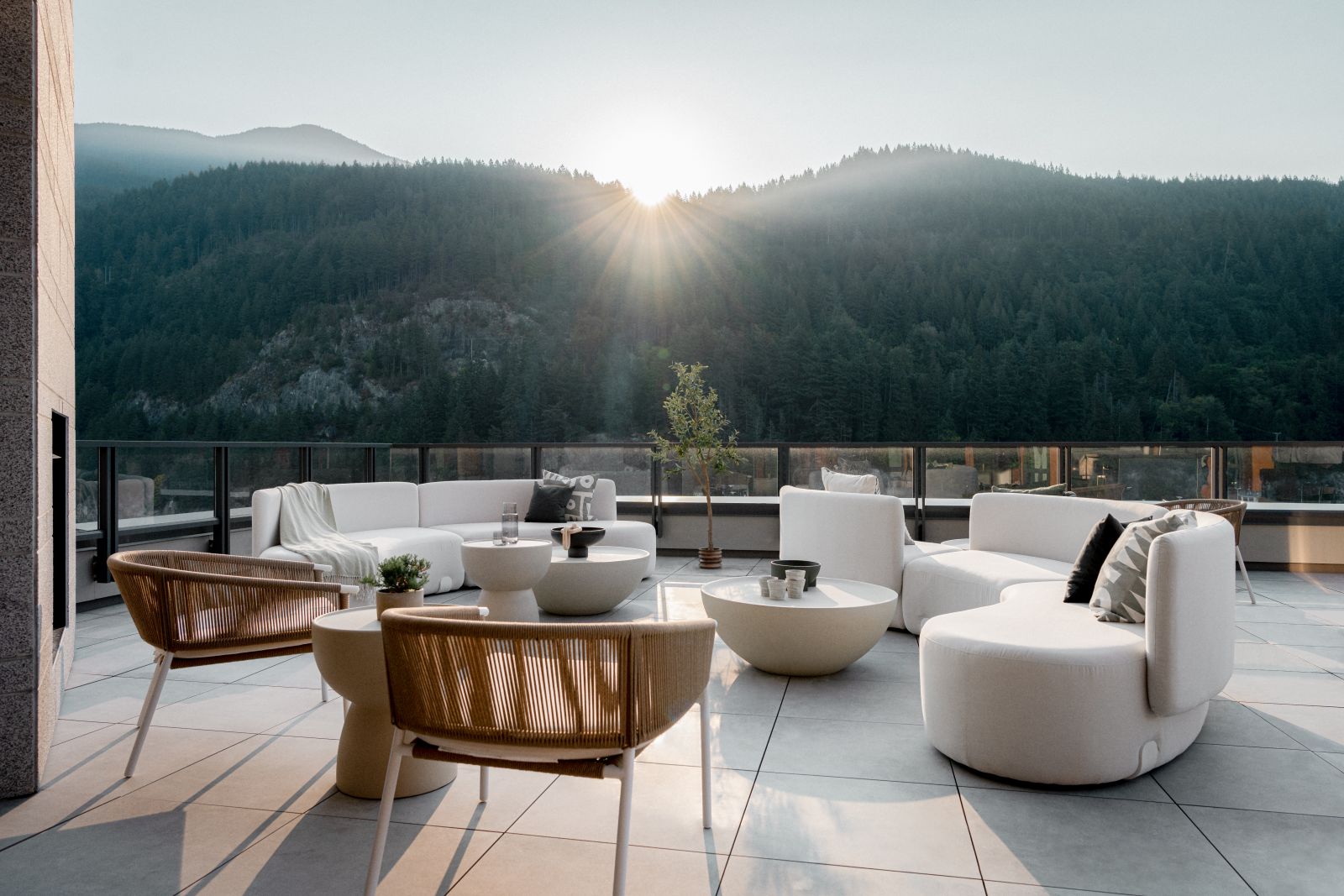
In high-end residential projects, outdoor furniture represents more than mere utility; it embodies an intersection of aesthetic refinement, functional ergonomics, and environmental resilience, creating spaces that extend the immersive luxury of interior environments into the exterior realm. Drawing on decades of consultancy experience with architects, landscape designers, and homeowners, I have observed that carefully curated outdoor furnishings can profoundly enhance experiential quality, spatial coherence, and emotional engagement, particularly for clients who are new to high-end design or seeking guidance on creating refined exterior living spaces.
Material selection is a critical foundation for luxury outdoor furniture. High-performance, weather-resistant materials must be carefully chosen to withstand UV exposure, moisture, wind, and temperature fluctuations while retaining tactile and visual integrity. Teak, ipe, and other dense, naturally resistant woods offer longevity and develop a refined patina over time, while powder-coated or anodized metals combine structural strength with corrosion resistance. Weatherproof textiles, including solution-dyed acrylics and treated linens, maintain color saturation and softness despite exposure to sunlight and precipitation. These material choices require both technical understanding and aesthetic sensitivity, ensuring that outdoor furnishings communicate visual sophistication while performing reliably over decades. Attention to finish—whether hand-applied oil, protective lacquer, or resin-infused treatments—further elevates quality, creating surfaces that invite touch while signaling authority and expertise in design execution.
Ergonomic principles are equally essential in outdoor design. Seating depth, backrest inclination, arm height, and cushioning density must accommodate a wide range of users, promoting comfort for both short-term use and extended leisure activities. Adjustable elements, such as reclining mechanisms, extendable tables, and modular seating configurations, allow furniture to adapt to diverse activities including dining, conversation, relaxation, or reading. Material choices, such as supportive foam cores wrapped in weather-resistant upholstery, integrate ergonomics with tactile appeal, reinforcing a human-centered approach to exterior luxury that aligns with interior quality standards.
Spatial planning and environmental intelligence are central to creating cohesive outdoor experiences. Designers must consider circulation, sightlines, prevailing winds, solar orientation, and seasonal changes to ensure that furniture placement enhances both usability and visual composition. Integrating greenery, water features, and sculptural landscaping with furniture arrangements fosters fluid indoor-outdoor transitions, establishing continuity and coherence across the residence. Thoughtful planning also facilitates social interaction, with seating groupings oriented to encourage conversation, communal dining, or private retreat without sacrificing aesthetic balance.
Lighting strategy is another crucial layer. Outdoor illumination—through adjustable task lighting, soft ambient glows, or accent fixtures—highlights material textures, landscape features, and architectural forms while supporting functional activities after dark. Coordinating lighting with furniture placement and surface reflectivity ensures both safety and visual delight, enhancing experiential richness and reinforcing the perception of meticulous, intentional design. Acoustic considerations, including sound-absorbing cushions, water features, or strategically placed plantings, can further modulate auditory experience, ensuring that outdoor spaces remain tranquil and immersive despite environmental noise.
Flexibility and modularity extend the value and usability of outdoor furniture. Sectional sofas, movable lounge chairs, and multi-purpose tables allow homeowners to curate the environment according to event type, season, or personal preference. This adaptability is particularly important for clients unfamiliar with outdoor luxury design, as it provides intuitive, responsive spaces that can accommodate gatherings, intimate relaxation, or individual pursuits without sacrificing elegance or visual harmony.
Maintenance and longevity are vital components of experiential and perceived luxury. High-end outdoor furniture must be easy to clean, resistant to mold and fading, and maintain structural integrity despite environmental stressors. Providing clients with guidance on care routines, protective covers, and material-specific maintenance ensures that furniture continues to deliver comfort, beauty, and functionality over time, establishing trust, credibility, and authority in both the design process and final installation.
Finally, outdoor furniture contributes to the narrative of a luxury residence. Each piece—whether sculptural chaise lounge, modular dining system, or tactile bench—serves as both a functional object and an aesthetic anchor, shaping experience and spatial identity. Harmonizing form, materiality, ergonomics, and environmental responsiveness ensures that outdoor areas feel as curated, intentional, and emotionally resonant as interior spaces. In doing so, designers create holistic, immersive environments that communicate sophistication, thoughtful material intelligence, and expert craftsmanship.
In conclusion, high-end outdoor furniture embodies the intersection of aesthetic sophistication, environmental intelligence, and human-centered ergonomics. By integrating resilient, high-quality materials, precise spatial planning, adaptive functionality, and sensory-conscious design, designers craft exterior spaces that are comfortable, visually compelling, and experientially rich. For clients embarking on luxury residential projects, particularly those with limited experience in outdoor design, this approach demonstrates expertise, authority, and trustworthiness, ensuring that every exterior space extends the elegance, comfort, and immersive quality of the home while standing resilient against environmental challenges over time.