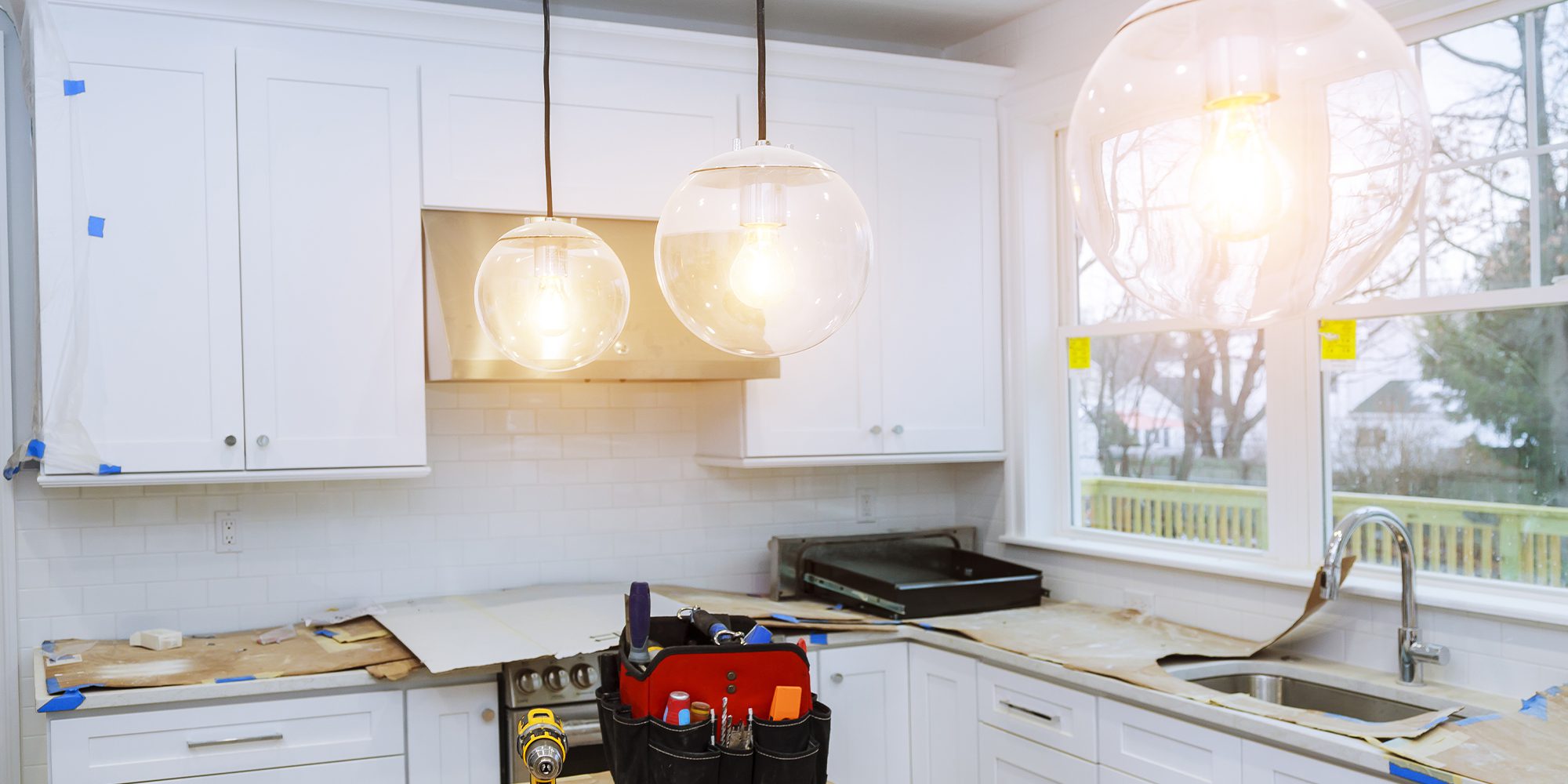
Luxury Lighting Integration: Sculpting Spaces with Illumination
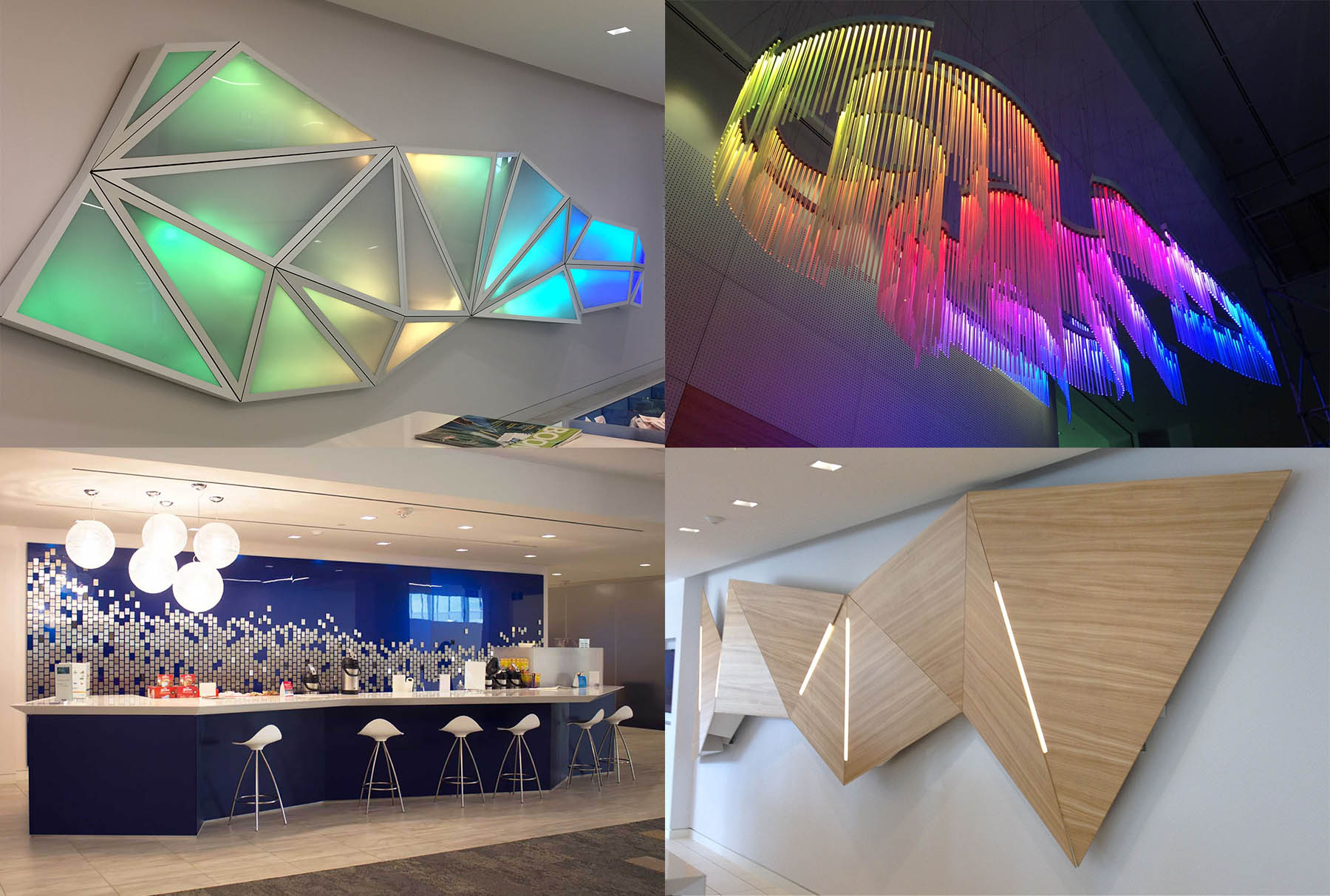
Lighting in high-end residential interiors is not merely a functional necessity but a critical component of experiential design, shaping perception, mood, and spatial narrative. Over my decades of professional experience consulting on luxury projects, I have consistently observed that when lighting is thoughtfully integrated with furniture, it elevates interiors beyond visual aesthetics, creating dynamic environments that engage both the eye and the emotion. For homeowners and designers, understanding the interplay between light, material, and spatial arrangement is essential for crafting interiors that are visually compelling, psychologically comfortable, and experientially rich.
Material selection is foundational to high-end lighting integration. Fixtures are chosen not only for their functional capabilities but also for their aesthetic presence, durability, and tactile quality. Metals, glass, ceramics, and high-performance polymers are selected with consideration for their reflective properties, surface texture, and ability to interact with surrounding furnishings. Reflective surfaces, including polished metals, lacquered tables, and glass consoles, amplify the reach and subtlety of light, creating layers of illumination that enhance material richness. The synergy between furniture and lighting materials communicates refinement, craftsmanship, and design authority, reassuring clients that both functionality and aesthetic sophistication are addressed.
Spatial orchestration is equally critical. The placement of light sources, intensity calibration, beam direction, and color temperature are meticulously planned to reinforce architectural features, highlight focal points, and guide circulation within a space. Ambient, task, and accent lighting are orchestrated to create visual hierarchy and rhythm, ensuring that furniture forms, textures, and finishes are emphasized appropriately. Sculptural pieces, whether tables, chairs, or consoles, interact with light to create depth, shadow play, and subtle visual narratives, transforming ordinary spaces into immersive, gallery-like environments. This deliberate spatial planning reflects professional expertise and authority in luxury interior design.
Human experience lies at the core of lighting strategy. Properly designed illumination influences psychological comfort, spatial perception, and emotional engagement. Ergonomic considerations, such as adjustable luminaires, dimmable controls, and adaptive color temperature systems, empower residents to tailor their environment according to activity, time of day, or desired ambiance. Furniture placement is coordinated with lighting to minimize glare, optimize reflection, and facilitate user interaction. The convergence of ergonomic intelligence and aesthetic refinement ensures interiors are not only visually pleasing but also functionally intuitive, reinforcing trust and credibility in the design process.
Lighting also serves as a narrative device, integrating with furniture to define spatial storytelling. Sculptural lamps, recessed fixtures, and bespoke chandeliers complement furniture forms, reinforcing stylistic cohesion while establishing focal points and circulation patterns. By layering light with materiality, designers create rhythm, contrast, and emphasis within a space, transforming interiors into emotionally resonant environments. Furniture and lighting act in dialogue, guiding the inhabitant's experience and engagement, and establishing an elevated sense of luxury and intentionality.
Material intelligence extends beyond fixture selection to consider how light interacts with textures and finishes. Polished metals, glossy lacquers, velvets, and natural stones each respond differently to illumination, influencing perceived scale, depth, and warmth. Strategically positioning light to highlight these materials enhances sensory engagement, reinforces spatial hierarchy, and accentuates the tactile qualities of furnishings. Understanding these interactions requires iterative experimentation, mock-ups, and real-world observation, demonstrating design authority and attention to detail.
Sustainability and long-term performance are increasingly relevant in lighting integration. Selection of energy-efficient sources, long-lasting materials, and adaptive controls contributes to both environmental responsibility and client confidence. Thoughtful integration minimizes maintenance, reduces energy consumption, and ensures that lighting solutions maintain elegance and functionality over time. This conscientious approach aligns aesthetic excellence with practical performance, establishing a high standard of professional credibility.
In collaborative projects, cross-disciplinary coordination enhances outcomes. Working closely with architects, electrical engineers, lighting specialists, and furniture artisans ensures that design intent is realized holistically. Alignment of furniture dimensions, placement, materiality, and illumination creates coherence and unity, preventing visual or functional discordance. Such collaboration exemplifies authority, expertise, and reliability, critical for delivering high-end residential experiences that are both luxurious and seamlessly executed.
Psychological and experiential impacts of integrated lighting cannot be overstated. Properly orchestrated illumination shapes perception of scale, highlights textures, and fosters comfort and engagement. Ambient lighting provides a sense of spatial clarity and mood, task lighting enhances functional efficiency, and accent lighting accentuates artistry and craftsmanship. By harmonizing these layers with furniture, designers create interiors that support human behavior, evoke emotion, and promote a sense of well-being.
Technological integration further enriches lighting strategies. Smart controls, occupancy sensors, and programmable scenes enable dynamic modulation of light, responding to user needs and environmental conditions. Furniture surfaces and spatial layouts are designed to complement these technologies, ensuring intuitive interaction and preserving visual elegance. The integration of technology within a refined aesthetic framework demonstrates innovation, authority, and forward-thinking design intelligence.
Ultimately, the marriage of lighting and furniture in luxury interiors represents a synthesis of material intelligence, ergonomic sensitivity, spatial planning, aesthetic judgment, and experiential awareness. By carefully considering fixture selection, material interaction, human factors, and technological possibilities, designers craft environments that are visually compelling, emotionally resonant, and functionally sophisticated. Residents experience interiors that are immersive, adaptable, and luxurious, reflecting the depth of expertise, authority, and trust that underpins high-end residential design.
In conclusion, strategic lighting integration elevates furniture and interiors beyond mere functionality, creating a multidimensional sensory experience. Expertise in material behavior, spatial orchestration, ergonomic design, narrative cohesion, and technological enhancement ensures that luxury residential interiors achieve a balance of visual elegance, experiential richness, and practical usability. Through this holistic approach, designers establish credibility, authority, and enduring trust, demonstrating the transformative power of lighting in shaping refined, emotionally engaging, and functionally superior residential environments.