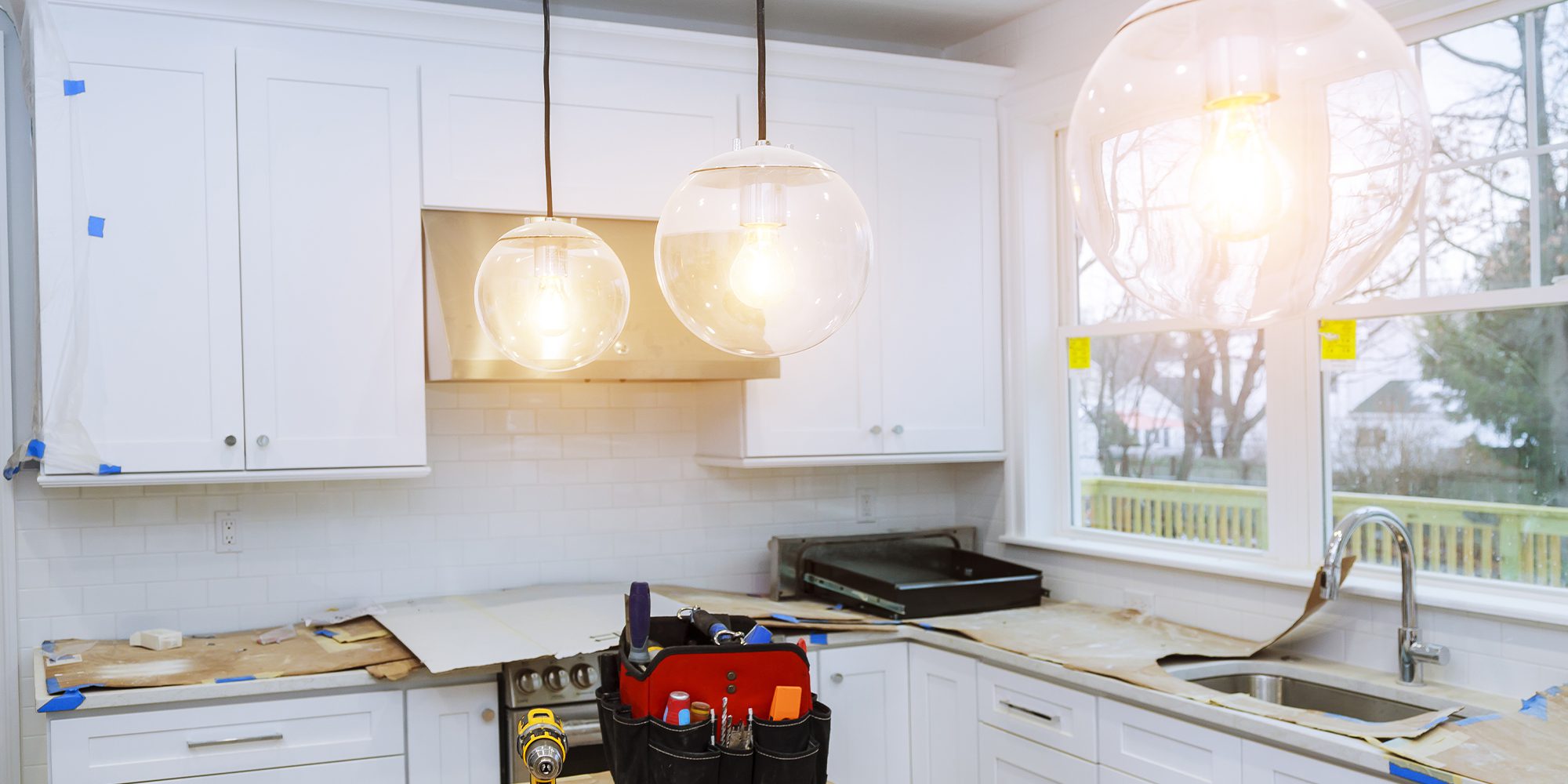
How Lighting Transforms the Perceived Quality of High-End Furniture
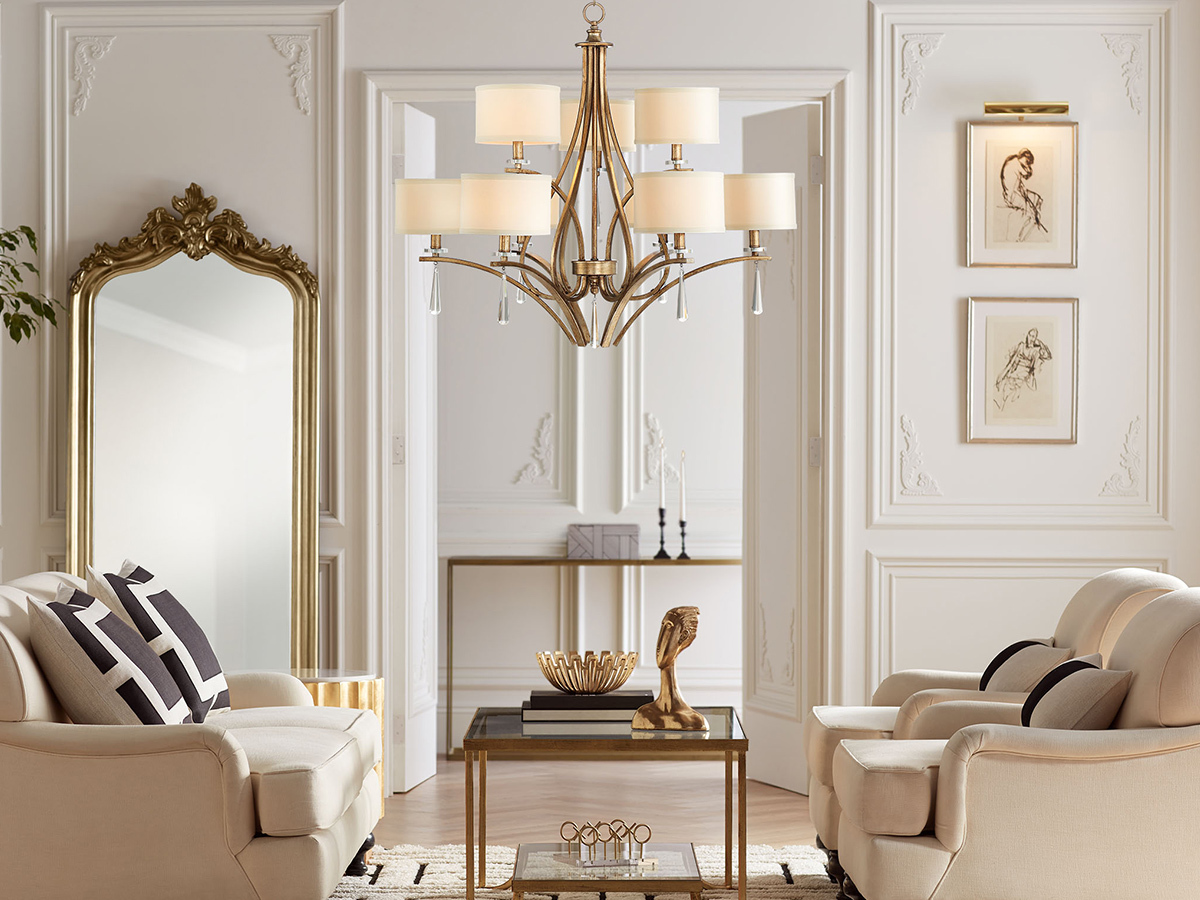
Furniture quality is rarely perceived in isolation. In high-end residential interiors, lighting plays a decisive and often underestimated role in revealing or diminishing the value of materials, craftsmanship, and form. Even the most exceptional furniture, meticulously crafted from premium woods, leathers, or textiles, can appear lifeless or uninspiring under poor lighting conditions. Understanding how light interacts with furniture is therefore essential for homeowners, interior designers, and renovation clients who aim to create spaces that balance aesthetics, comfort, and long-term satisfaction.
Natural light serves as the foundation for any lighting strategy. Daylight changes throughout the day, shifting in angle, intensity, and color temperature, which directly influences the perception of furniture. In my professional experience, furniture surfaces exhibit greater depth and tactile richness when sunlight grazes them obliquely, highlighting grain patterns, textures, and subtle finishes. For instance, a solid walnut dining table can appear flat and monotonous under midday direct light, yet the same piece develops warmth and visual complexity when positioned to receive morning or late-afternoon sun. Effective residential planning takes these dynamics into account, aligning furniture placement with windows, skylights, and seasonal light variations.
Artificial lighting is equally crucial and must be carefully layered to create both function and emotional resonance. Ambient lighting establishes the overall mood and supports general navigation, while task lighting ensures specific activities such as reading, dining, or conversation are visually comfortable. Accent lighting, often the most underappreciated component, selectively highlights furniture details, joinery, textures, or architectural framing elements. Overhead-only lighting, such as single central fixtures, often flattens form, erases nuance, and reduces perceived material quality, making even luxurious pieces feel generic or uninspiring.
In residential projects, I prioritize indirect and low-glare sources that emphasize subtle contrast and shadow, which allows furniture to convey quiet authority. Wall washers, recessed LED strips, and directional spotlights can reveal depth in upholstery, highlight hand-finished edges, or dramatize natural grain variations in solid woods. In one high-end apartment renovation, we repositioned a series of lounge chairs to coincide with angled accent lighting and observed a remarkable transformation: the tactile quality of leather became visually legible, the curves of the chair frames gained three-dimensional presence, and the overall living space felt warmer, more inviting, and balanced. This demonstrates that intelligent lighting often enhances perceived quality without necessitating more expensive materials or finishes.
Color temperature is another factor that significantly impacts how furniture is read. Warm light emphasizes richness in wood tones and leather patina, while cooler light can accentuate clarity in metals or upholstery fabrics. I typically employ 2700–3000K for living and dining areas to reinforce a sense of comfort and visual warmth, reserving 3500–4000K for functional zones such as home offices or study areas, where clarity and attention to detail are paramount. In combination with dimming systems, this approach allows spaces to adapt to changing activities, moods, and natural light throughout the day.
Beyond aesthetics, lighting profoundly affects human experience and emotional comfort. Poorly lit furniture can generate visual fatigue, diminish interaction, and even reduce the perceived value of investment pieces. In contrast, layered, intentional lighting creates depth, rhythm, and emotional coherence. Homeowners report that spaces with thoughtfully integrated lighting feel more livable, comfortable, and intuitively organized, reinforcing trust in the overall design strategy.
Lighting design should never be treated as an afterthought or decorative embellishment; it is integral to furniture performance and the overall residential experience. When executed thoughtfully, lighting functions as an interpretive lens, conveying texture, proportion, and material authority to the observer. In luxury interiors, lighting decisions are inseparable from furniture selection, placement, and spatial orchestration, collectively shaping an environment that supports both visual appeal and daily life.
From a professional standpoint, effective lighting enhances the longevity of furniture satisfaction. It allows investment pieces to maintain perceived value as the home evolves, accommodates natural shifts in human activity, and harmonizes with seasonal changes in daylight. Integrating lighting strategies with material selection, furniture layout, and ergonomic principles ensures that interiors achieve a level of refinement that endures for decades, exemplifying true residential luxury.
In conclusion, lighting is not merely functional or decorative—it is interpretive, relational, and transformative. It defines how furniture is experienced, communicates craftsmanship, and supports emotional and visual comfort. For high-end residential interiors, careful consideration of natural light, layered artificial lighting, material response, and human behavior creates spaces that are not only aesthetically pleasing but also profoundly livable, demonstrating the interplay between technical knowledge, design authority, and daily experience.