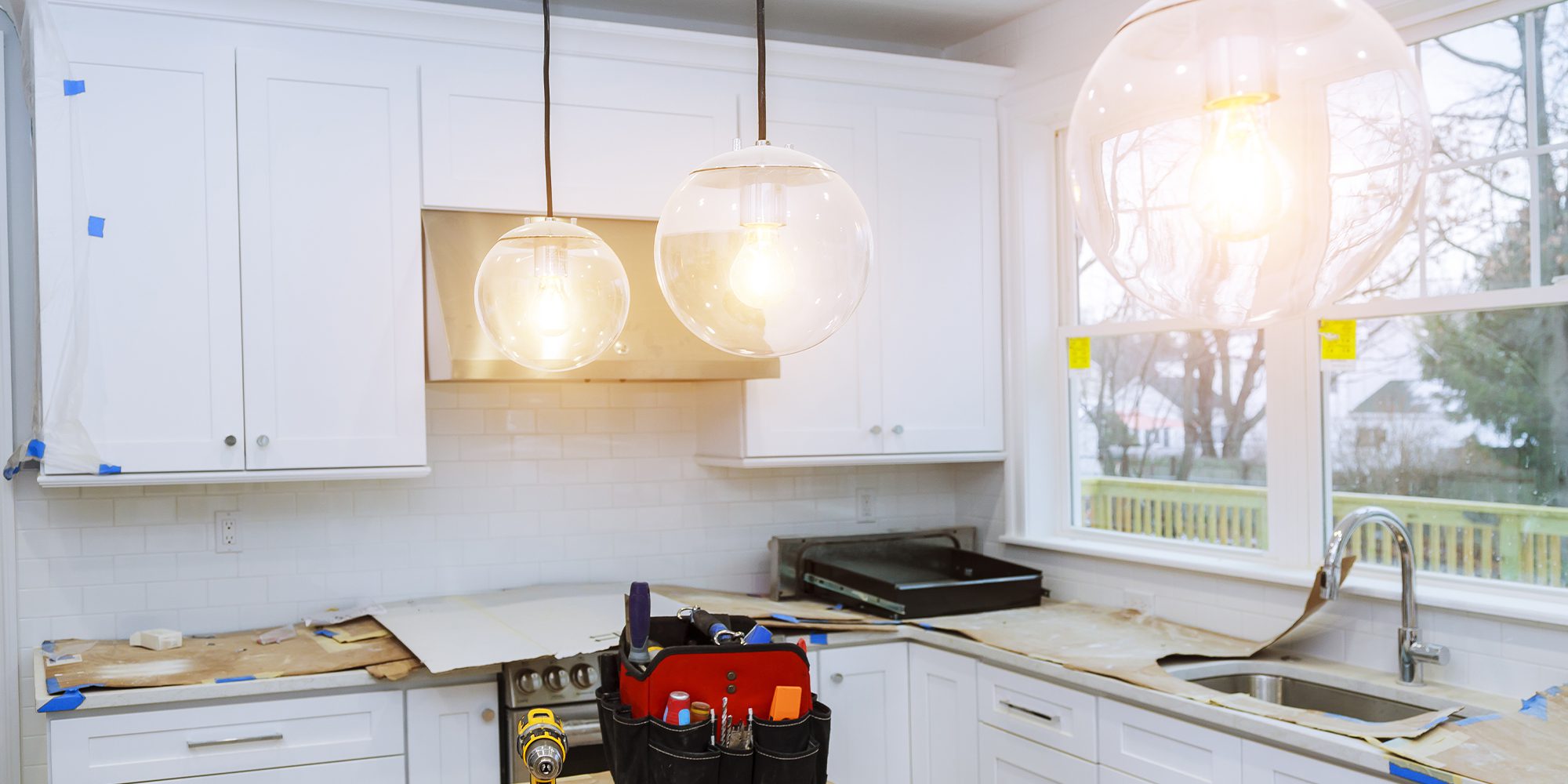
High-Performance Surfaces: Merging Aesthetics and Durability in Furniture
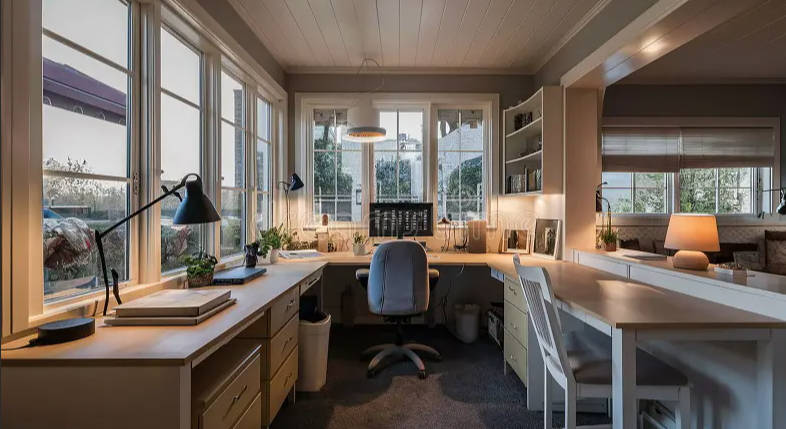
Surface material selection is a fundamental aspect of high-end furniture design, influencing not only aesthetic presence but also functional longevity, tactile engagement, and overall experiential quality. Drawing from decades of professional experience consulting on luxury residential projects, I have observed that successful material integration requires a balance of beauty, durability, ergonomics, and sustainability, all executed with careful attention to craftsmanship and human-centered design principles.
Material performance is the first consideration in surface selection. Engineered stones, high-pressure laminates, exotic veneers, metals, glass, and composite materials are rigorously evaluated for resistance to wear, scratches, heat, moisture, and UV exposure. Each choice is contextualized within the intended function and location of the furniture piece, ensuring long-term reliability and maintaining user trust. For example, a dining table requires a surface that tolerates repeated use, thermal impact from hot dishes, and potential abrasion, whereas a console in a hallway emphasizes tactile sophistication and visual resonance.
Visual and tactile richness drives the experiential impact of surfaces. Grain patterns, natural variations, color saturation, reflectivity, and surface texture are harmonized with adjacent materials, furnishings, and architectural elements. The interaction of surface finishes with natural and artificial lighting is analyzed to enhance depth, highlight texture, and create layered sensory engagement. This integration establishes a dialogue between the furniture piece, its context, and the inhabitant, conveying authority, attention to detail, and design expertise.
Human interaction and ergonomic considerations are central to surface material strategy. Surfaces are selected and finished to maximize comfort and usability while minimizing maintenance challenges. High-contact areas—such as kitchen islands, desks, side tables, and coffee tables—are designed to withstand daily interaction without visual or tactile degradation. Subtle textural variations, hand-finished edges, and matte or semi-matte coatings enhance the tactile experience, ensuring that furniture communicates both luxury and functionality. This deliberate integration of ergonomics reinforces client trust and underscores the professional authority of the designer.
Sustainability and environmental responsibility are increasingly critical in surface material decisions. Responsibly sourced hardwoods, recycled metals, reclaimed composites, and low-impact finishes are evaluated for their ecological footprint as well as aesthetic and performance characteristics. Lifecycle analysis informs selection, considering not only initial durability but also maintenance, reparability, and recyclability. Aligning environmental responsibility with high-end material performance reinforces credibility, authority, and ethical stewardship within residential design.
Material innovation is a key driver of contemporary luxury furniture. Collaborations with artisans, fabricators, and material scientists allow exploration of advanced composites, hybrid laminates, and surface treatments that balance durability with sensory richness. Techniques such as hand-polishing, natural curing, micro-texturing, and mineral-infused coatings elevate surface quality while demonstrating craftsmanship and technical mastery. These methods communicate the value of time, process, and skill, adding narrative depth and reinforcing client trust.
Spatial and aesthetic integration is essential. Surface materials must coordinate with surrounding textures, furniture proportions, and lighting strategies. High-gloss finishes reflect light to expand spatial perception, whereas matte or textured surfaces absorb and diffuse light, providing contrast and enhancing visual hierarchy. Thoughtful layering of material surfaces contributes to coherence, guiding sightlines and reinforcing the overall spatial narrative. This approach demonstrates mastery of both material intelligence and spatial orchestration, hallmarks of high-end design authority.
Maintenance and long-term performance are practical considerations that impact client satisfaction. Surface materials are chosen for ease of cleaning, resistance to staining, and stability under daily use conditions. Considerations include the compatibility of finishes with household cleaners, durability under mechanical stress, and potential for patina development over time. In high-end residential contexts, this balance between longevity and visual evolution strengthens both credibility and trust, assuring clients that aesthetic excellence is durable and functional.
Technological integration complements traditional material expertise. Surface treatments, protective coatings, and engineered finishes are informed by research in abrasion resistance, UV stability, and antimicrobial properties. Advanced materials are tested in mock-up environments to ensure performance under real-world conditions, combining science, craftsmanship, and design intuition. This rigorous methodology highlights professional authority, expertise, and commitment to experiential excellence.
Ultimately, surface material selection in luxury furniture is a multidimensional practice that encompasses visual beauty, tactile sophistication, ergonomic intelligence, functional resilience, and environmental responsibility. It requires a collaborative, iterative approach with artisans, engineers, and clients to ensure that each piece not only performs impeccably but also contributes to the overall narrative and emotional resonance of the space. The strategic integration of materials enhances human interaction, complements surrounding furnishings, and maintains aesthetic and tactile coherence across the interior environment.
In conclusion, high-performance and visually compelling surfaces define the standard for luxury residential furniture. By harmonizing material science, craftsmanship, ergonomics, sustainability, and aesthetic refinement, designers deliver furniture that is both functionally resilient and experientially rich. This holistic approach establishes credibility, authority, and trust, ensuring that interiors achieve lasting sophistication, emotional resonance, and enduring value in the realm of high-end residential design.