Heritage Craftsmanship in Modern Interiors: Reviving Traditional Techniques
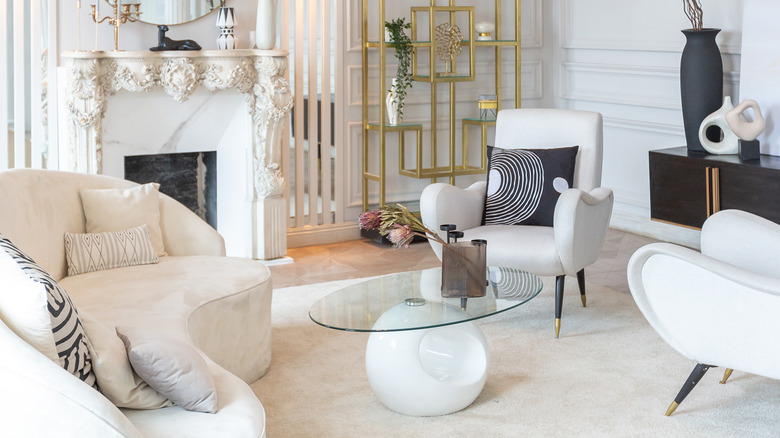
Heritage craftsmanship represents a cornerstone of high-end residential interior design, providing timeless elegance, authenticity, and a tactile richness that machine processes cannot replicate. Through decades of professional practice collaborating with artisans, fabricators, and clients, I have observed that the thoughtful integration of traditional techniques—such as hand carving, inlay, marquetry, joinery, and hand-applied finishes—elevates both the visual and experiential dimensions of luxury interiors, creating spaces that resonate with history, skill, and sophistication.
Material integrity is foundational to heritage craftsmanship. Solid hardwoods, premium metals, natural fibers, and finely selected veneers are chosen not only for durability but also for their tactile appeal, color depth, and responsiveness to finishing techniques. Artisanal methods, including meticulous carving, precision joinery, and layered inlays, introduce subtle variations in texture and pattern, producing a depth of detail and sensory richness that reinforces the perception of quality and authority. Each material decision is carefully vetted for structural performance, longevity, and compatibility with surrounding surfaces, ensuring that heritage pieces perform reliably over time while maintaining their aesthetic excellence.
Craftsmanship excellence extends beyond material selection. Collaboration with highly skilled artisans allows for the preservation of traditional techniques while adapting them to contemporary design requirements. Hand-applied finishes, intricate marquetry, and bespoke hardware create visual interest and focal points that enrich interiors without overwhelming other design elements. The balance between ornate craftsmanship and clean, modern lines ensures that heritage techniques harmonize with current architectural layouts, lighting schemes, and furniture arrangements, resulting in cohesive and immersive environments that communicate expertise and refined taste.
Spatial and aesthetic integration is critical. Heritage-crafted elements, including custom cabinetry, statement seating, decorative panels, and built-in shelving, are carefully scaled and positioned to complement circulation, sightlines, and focal areas within a room. This approach ensures that each piece contributes meaningfully to the spatial narrative, guiding movement, emphasizing architectural rhythm, and creating visual anchors. Lighting is calibrated to highlight textures, shadows, and intricate detailing, enhancing material richness and depth, while strategically placed furniture fosters interaction and engagement, maximizing both functional and experiential impact.
User experience is central to the effective integration of heritage craftsmanship. Ergonomic principles are applied to ensure comfort, accessibility, and usability in handcrafted pieces. Seating contours, desk heights, cabinetry handles, and surface finishes are calibrated to support human interaction without compromising artisanal quality. By combining ergonomic intelligence with traditional craftsmanship, designers create functional, livable spaces where aesthetic sophistication does not supersede human comfort.
Customization and personalization amplify the value of heritage craftsmanship. Tailoring dimensions, finishes, and detailing to client preferences allows homeowners to express individuality, cultural heritage, or personal taste while maintaining cohesion with the broader interior palette. Integrating heritage techniques with modern materials and sustainable practices demonstrates both technical authority and ethical responsibility, reinforcing credibility and trustworthiness in high-end residential design.
Sustainability considerations are increasingly essential. Responsibly sourced woods, natural fibers, and environmentally conscious finishes align heritage craftsmanship with contemporary standards of ecological responsibility. Artisanal production methods are optimized for minimal waste, efficient material use, and long-term durability, ensuring that heritage-crafted elements are not only visually compelling but also sustainable and future-conscious.
Psychological and experiential dimensions are enhanced through heritage craftsmanship. Tactile richness, intricate detailing, and visual depth create a sensory experience that fosters emotional engagement and a sense of ownership within the home. Heritage pieces often serve as conversation starters, storytelling devices, or symbolic anchors, connecting residents to cultural or personal narratives and reinforcing the experiential depth of luxury interiors.
Technology can complement heritage craftsmanship without diminishing its authenticity. Discreet integration of adaptive lighting, hidden storage, or modular functionality allows traditional techniques to coexist with modern conveniences, creating a seamless balance between past and present. This integration ensures that high-end interiors remain functional, adaptable, and aligned with contemporary lifestyles, while preserving the integrity and artistry of heritage work.
Ultimately, heritage craftsmanship in modern luxury interiors bridges historical skill and contemporary innovation. Through the careful orchestration of materials, artisanal techniques, spatial placement, ergonomics, and experiential considerations, designers create interiors that are visually compelling, functionally intelligent, and emotionally resonant. Thoughtful integration of heritage techniques communicates professional authority, expertise, and trustworthiness, solidifying the role of artisanal excellence as a defining characteristic of high-end residential design.