Ergonomics and Posture: Designing Luxury Seating for Health and Comfort
Ergonomics in high-end furniture design is the discipline that ensures luxury enhances, rather than compromises, human comfort, health, and long-term wellbeing. For many first-time homeowners or clients new to residential design, ergonomics is often misunderstood as a technical or medical concern, separate from aesthetics. In reality, it is one of the most powerful indicators of true design maturity. Through extensive collaboration with engineers, physiotherapists, furniture manufacturers, and end users, I have consistently observed that ergonomically informed furniture not only improves daily comfort but also elevates the emotional and experiential quality of a home.
At its foundation, ergonomics is about respecting the human body. Seating, tables, and resting surfaces interact with posture, muscle engagement, circulation, and joint alignment for hours each day. Poorly designed furniture may appear luxurious initially, but over time it contributes to fatigue, back pain, neck strain, and reduced usability. In contrast, ergonomically considered furniture supports the body intuitively, allowing occupants to relax without conscious adjustment. This silent performance is a defining trait of enduring luxury.
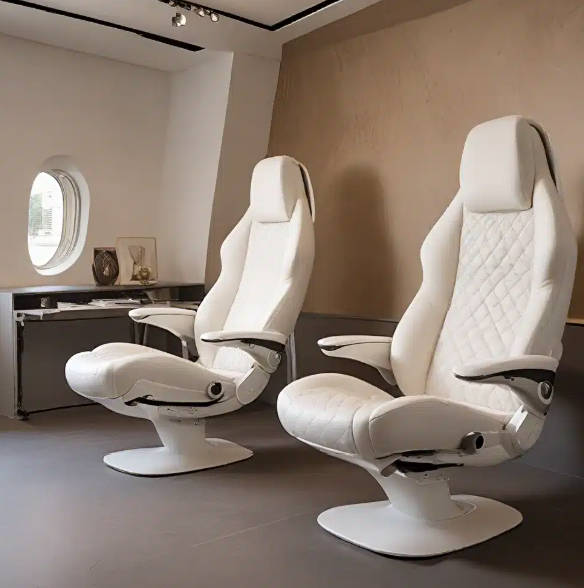
Core ergonomic principles focus on spinal alignment, weight distribution, and joint support. In seating design, this translates into carefully calibrated seat heights, depths, and angles. Seat depth must support the thighs without cutting into circulation behind the knees. Backrests should encourage the natural curvature of the spine rather than forcing rigid upright posture or excessive recline. Armrests play a crucial role in relieving shoulder and neck tension, yet they are often overlooked or treated as purely decorative elements. When correctly positioned, they reduce muscular load and enhance long-term comfort.
Cushioning materials are equally critical. Advanced foams, layered padding systems, memory composites, and responsive latex blends allow furniture to adapt dynamically to the user’s body. Unlike overly soft cushions that collapse over time or rigid padding that causes pressure points, high-quality ergonomic cushioning balances resilience and softness. For inexperienced buyers, a common mistake is equating softness with comfort. In professional practice, true comfort is achieved through controlled resistance that supports the body while allowing micro-movement.
Ergonomics also extends beyond seating. Dining tables, desks, bedside tables, and storage heights influence posture and daily behavior. Work surfaces that are too high strain shoulders, while low surfaces force hunching. Bed heights affect ease of entry and exit, particularly as occupants age. In luxury interiors designed for long-term living, these details are not optional refinements—they are foundational decisions. Educating first-time homeowners on these principles empowers them to make informed choices rather than relying solely on visual appeal.
Aesthetic integration is essential to successful ergonomic design. There is a persistent misconception that ergonomic furniture must look technical or utilitarian. In high-end residential projects, the opposite is true. Subtle shaping, refined proportions, and skilled craftsmanship allow ergonomic intelligence to disappear into elegance. Sculpted silhouettes, gently contoured backs, softened edges, and seamless joinery conceal functional intent while expressing sophistication. This balance signals authority and expertise, reassuring clients that comfort has been engineered without sacrificing visual harmony.
Material choice reinforces both ergonomics and perception. Upholstery materials must stretch, breathe, and recover appropriately to support movement and posture. Premium leathers, woven textiles, and wool blends provide tactile feedback and durability while accommodating ergonomic forms. Finishes should feel warm and inviting to encourage natural interaction. For newcomers to interior design, understanding that materials influence not only appearance but also bodily experience is a critical learning step.
User testing and iterative prototyping distinguish professional ergonomic design from assumption-based styling. In my projects, clients are invited to test prototypes, mock-ups, or sample pieces to evaluate comfort, posture support, and tactile response. This process often reveals insights that drawings or renderings cannot capture. Small adjustments—such as modifying seat depth by a few centimeters or adjusting backrest curvature—can dramatically improve comfort. This collaborative testing builds trust and ensures that furniture supports real human bodies, not abstract ideals.
Ergonomics also supports adaptability and longevity. Furniture designed around human anatomy remains comfortable across changing life stages. As routines evolve, work-from-home patterns shift, or physical needs change, ergonomically sound furniture continues to perform. This durability reinforces the idea of furniture as a long-term investment rather than a disposable trend item. For inexperienced homeowners, this perspective helps shift priorities from short-term aesthetics to enduring value.
Psychologically, ergonomic furniture contributes to emotional wellbeing. When the body is supported, the mind relaxes. Spaces feel safer, calmer, and more restorative. Over time, occupants associate comfort with trust in their environment, strengthening emotional attachment to the home. This connection is subtle but powerful, and it explains why ergonomics is inseparable from perceived luxury. A beautiful chair that causes discomfort will ultimately be rejected, while a supportive one becomes indispensable.
From a design authority standpoint, prioritizing ergonomics demonstrates responsibility and professionalism. It shows that the designer or homeowner understands that luxury is not performance for others, but care for oneself and one’s family. This mindset is particularly important for first-time renovators, who may feel pressure to prioritize visual impact over lived experience. By foregrounding ergonomics, designers guide clients toward choices that deliver satisfaction long after the novelty of appearance fades.
In practical terms, beginners should approach ergonomic furniture selection with patience and curiosity. Sitting, leaning, testing, and asking questions are essential. Visual beauty should be evaluated alongside bodily response. If a piece looks impressive but feels awkward, strain-inducing, or unstable, it is unlikely to serve well in daily life. Learning to trust physical feedback is a crucial step in developing design literacy.
In essence, ergonomic furniture design represents the convergence of science, craft, and aesthetic intelligence. It respects the human body, supports health, and enhances daily rituals without drawing attention to itself. By integrating anatomical knowledge, advanced materials, skilled craftsmanship, and client participation, designers create furniture that embodies quiet confidence and lasting value.
For those new to high-end residential design, understanding ergonomics reframes luxury as something deeply personal and experiential. True luxury is not how a space looks in photographs, but how it supports the body and mind every day. Ergonomically informed furniture ensures that homes are not only visually refined but also genuinely inhabitable, establishing credibility, authority, and trust in the design process while delivering comfort that endures.