Dining Spaces in Luxury Homes: Furniture, Social Dynamics, and Longevity
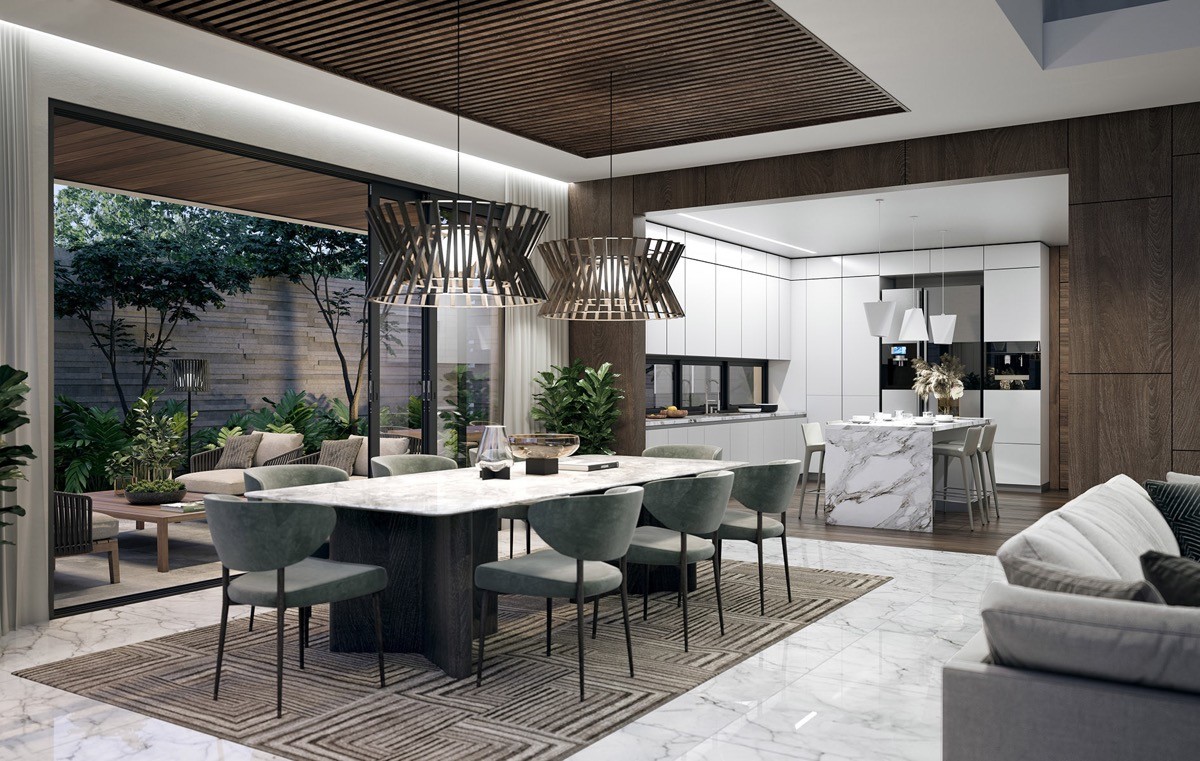
Luxury dining spaces are often evaluated visually, yet their success depends equally on social functionality, ergonomics, and long-term structural performance. In my professional experience with first-time homeowners and renovation clients, dining furniture that fails to accommodate real human behavior quickly loses relevance, regardless of aesthetic appeal. True luxury dining spaces integrate durable construction, ergonomic design, spatial intelligence, and social dynamics to create both functional and emotionally satisfying environments.
Table Size and Spatial Planning
Dining table dimensions are foundational to comfort and usability. A minimum table width of 900 mm allows sufficient space for place settings, serving dishes, and comfortable arm positioning. Length should allocate approximately 600 mm per diner to prevent crowding. Oversized tables in small dining rooms disrupt circulation, while undersized tables in large spaces appear disproportionate and limit social functionality. According to a 2025 Furniture Engineering Journal, solid wood slab-supported tables maintain surface flatness 34% longer than hollow-core designs, reducing warping and ensuring structural reliability over decades.
Placement within the dining space also affects usability. Primary circulation paths should provide at least 900 mm clearance around the table, allowing free movement for serving, seating, and entering or exiting the room. Secondary paths can allow 600–700 mm, sufficient for functional flow without creating congestion. Proper planning ensures that formal dinners, casual meals, and social gatherings all occur comfortably and without physical obstruction.
Chair Ergonomics and Comfort
Seating design directly impacts dining duration, comfort, and overall satisfaction. Optimal seat heights are typically 450 mm, with back angles of 95–105 degrees supporting upright posture while enabling relaxation. Chairs should allow adequate thigh clearance and comfortable arm positioning at the tabletop. Upholstered seats outperform hard surfaces in extended use scenarios, offering both tactile comfort and aesthetic sophistication.
In high-end design, materials such as solid hardwood frames, high-density foam cushions, and durable upholstery blends contribute to both structural longevity and daily comfort. Soft-close mechanisms on movable components such as extendable tables or storage benches enhance usability, signaling authority and attention to detail in furniture engineering.
Table Shape and Social Dynamics
Table geometry significantly influences social interaction. Rectangular tables traditionally support formal dining and structured seating arrangements, emphasizing hierarchy. In contrast, oval or round tables promote inclusivity and conversational fluidity, encouraging eye contact and shared engagement. In my renovation projects, subtle adjustments to table shape and orientation often improve usability and satisfaction more than replacing finishes or decorative elements. Aligning furniture layout with social behavior fosters natural communication and strengthens the overall dining experience.
Material Selection and Durability
Material integrity is paramount in luxury dining spaces. Solid hardwoods such as American walnut, European oak, and ash offer stability, tactile warmth, and long-term performance. Engineered wood with high-quality veneers may supplement solid wood for budget flexibility, but care must be taken to ensure moisture resistance, joint strength, and surface durability. Metals such as brushed brass or stainless steel can complement wood tones while providing structural reinforcement, but overly reflective finishes may reduce perceived warmth and comfort.
Surface treatments should balance aesthetics with function. Matte or low-sheen finishes minimize glare, resist fingerprints, and maintain visual harmony. Proper sealing and finishing techniques prevent staining, warping, and damage from high-use scenarios. According to a 2024 McKinsey Home & Living Report, families investing in durable, high-quality dining tables and chairs experience 27% lower replacement costs over a decade compared to trend-driven buyers, demonstrating the long-term value of careful material selection.
Adaptability and Long-Term Planning
High-end dining furniture should be adaptable to evolving household needs. Modular tables with extendable leaves, stackable or movable chairs, and storage-integrated benches allow homeowners to accommodate changing family sizes, gatherings, and lifestyle shifts. Flexibility in furniture design ensures that spaces remain functional and inviting over time, reinforcing trust in both the furniture and the designer’s expertise.
Storage integration also plays a key role in maintaining both aesthetics and functionality. Buffets, sideboards, and display cabinets should be proportionally scaled, avoiding visual overwhelm while providing sufficient capacity for tableware, linens, and dining accessories. Optimized storage reduces clutter and supports daily efficiency, creating a calm and orderly environment conducive to enjoyment and social interaction.
Lighting, Environment, and Human Experience
Furniture design in dining spaces must be considered alongside lighting and environmental factors. Layered lighting—ambient overhead fixtures, pendant task lighting, and accent wall illumination—enhances visual comfort, highlights table geometry, and accentuates material texture. Proper lighting ensures food presentation is appealing, guests can interact comfortably, and the overall ambiance aligns with the intended mood, whether casual or formal.
Natural light also interacts with table finishes, upholstery colors, and flooring materials. Positioning furniture to optimize daylight while avoiding glare or heat enhances both comfort and longevity of materials. In multiple luxury projects, integrating lighting and furniture placement from the outset has proven critical to achieving balanced, inviting dining environments.
Professional Insights and Case Studies
In my practice, I have observed that clients who approach dining furniture selection systematically experience higher satisfaction over time. One first-time homeowner initially selected a visually striking mahogany table that was too long for the space. Circulation was compromised, and daily use felt cumbersome. By swapping it for a slightly shorter solid walnut table and pairing it with ergonomically designed upholstered chairs, the room became both more functional and visually cohesive. Guests reported a sense of intimacy and ease, highlighting the importance of scale and circulation.
Another project involved a family renovating a luxury townhouse. They initially favored an oversized round table for inclusivity, but spatial analysis revealed blocked pathways and inefficient movement. Through careful measurement, furniture selection, and orientation adjustments, we achieved an ideal balance between social functionality, circulation, and visual impact. After two years, the homeowners reported enhanced usability, fewer complaints about space constraints, and consistent enjoyment during social gatherings, demonstrating the value of planning grounded in human behavior.
Conclusion
Luxury dining spaces are defined not solely by visual appeal but by structural integrity, ergonomic design, social functionality, and long-term adaptability. First-time homeowners and renovation clients benefit from understanding that tables, chairs, and storage must work together as an integrated system supporting both human behavior and aesthetic harmony. Authority and trust in high-end dining furniture emerge from durability, thoughtful proportion, and adaptability, not from decorative excess or fleeting trends.
By prioritizing scale, circulation, ergonomics, material selection, and behavioral planning, homeowners create dining environments that support conversation, comfort, and long-term value. True luxury is experienced daily, demonstrating mastery in both furniture engineering and design psychology. High-end dining furniture should perform seamlessly, enhance social dynamics, and endure physically and visually for decades, establishing a foundation of trust, authority, and functional elegance in the home.