Custom Millwork: Personalization as a Defining Feature of Luxury Interiors
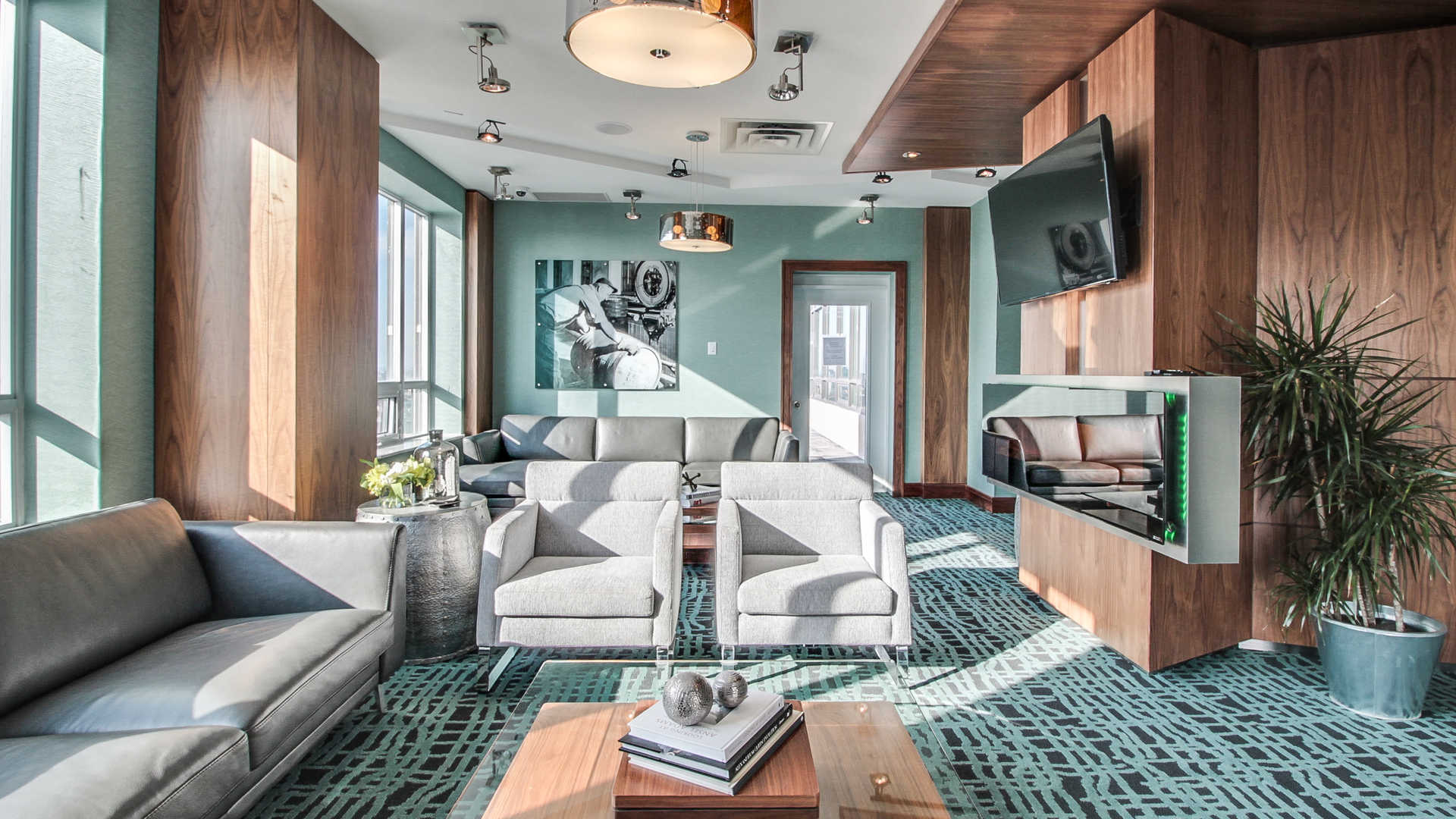
Custom millwork is one of the most distinctive hallmarks of high-end residential interiors, providing both functional optimization and a personalized narrative that separates bespoke homes from generic luxury offerings. Through decades of consulting with affluent homeowners, renovation clients, and interior design teams, I have observed that tailored cabinetry, wall panels, shelving, and built-ins not only maximize efficiency and organization but also communicate refinement, identity, and meticulous attention to detail. For those new to luxury renovation, understanding the principles of custom millwork is crucial for achieving interiors that are both practical and emotionally resonant over time.
Functional integration is a central driver of design authority. Custom millwork is designed to respond to the precise needs of a household rather than adhere to standardized dimensions or modular kits. Built-in bookshelves can accommodate variable shelf heights for different media, while concealed entertainment centers manage audiovisual equipment with clean, ergonomic access. Modular kitchen cabinetry can be tailored to suit cooking routines, pantry organization, and appliance placement, enhancing both usability and visual order. For newcomers planning renovations, it is advisable to conduct detailed activity mapping—tracking daily routines, storage needs, and circulation patterns—to inform cabinetry design and ensure that every built-in element reinforces both comfort and efficiency.
Material and finish selection significantly impacts both experiential quality and longevity. High-end residential millwork typically employs solid hardwoods such as American walnut, European oak, and ash, or high-quality veneered surfaces for visual sophistication and structural integrity. Metals, glass, and textured laminates can be integrated for accents or functional detailing. For first-time homeowners, I recommend requesting physical samples and examining them under both natural and artificial light, as tactile and visual qualities can vary dramatically across finishes. Hand-applied finishes, inlays, and subtle surface textures not only enhance perceived quality but also signal craftsmanship and attention to detail that mass-produced alternatives cannot replicate.
Spatial and aesthetic impact is profound. Custom millwork establishes architectural rhythm, visual hierarchy, and focal anchors within rooms. Wall panels can guide movement, conceal mechanical systems, or create intimate niches, while cabinetry proportions can influence perception of scale and circulation. In practice, iterative mock-ups, 3D renderings, and full-scale templates are invaluable tools for homeowners unfamiliar with spatial dynamics; they provide a tangible sense of how built-ins interact with furniture, sightlines, and daily activity zones. Understanding how scale and proportion affect experience helps prevent interiors from feeling either cluttered or underwhelming, ensuring that each piece contributes meaningfully to spatial coherence.
Craftsmanship and construction quality are critical considerations. High-end millwork relies on precision joinery—mortise-and-tenon, dovetail, or dowel-reinforced connections—to ensure long-term structural stability. Hardware such as soft-close hinges, concealed tracks, and full-extension drawer slides enhances user comfort while maintaining aesthetic integrity. For renovation novices, requesting detailed specifications or factory certifications can confirm that millwork meets both performance and durability expectations. Regular consultation with skilled cabinetmakers during the design phase helps reconcile homeowner priorities with practical constraints, ensuring that custom elements remain both elegant and functional over decades.
Personalization extends to experiential design. Custom millwork allows residents to imprint lifestyle preferences, organizational habits, and aesthetic tastes directly into the architecture. Adjustable shelving, hidden compartments, and modular configurations enable flexibility as household needs evolve—children grow, collections expand, or routines shift. Engaging homeowners in decisions about layout, finish, and detailing fosters a sense of ownership and emotional attachment, reinforcing the value of furniture and built-ins beyond their immediate utility. This approach transforms millwork from static construction into a living component of daily life, enhancing both comfort and satisfaction.
Integration with lighting and interior decor further elevates impact. Recessed LED strips, concealed spotlights, or ambient under-cabinet illumination can enhance textures, highlight inlays, and emphasize architectural lines, transforming cabinetry from purely functional elements into sculptural features. In high-end projects, lighting strategies are often coordinated with furniture layout, window orientation, and reflective surfaces to maximize depth, shadow play, and material richness. For first-time homeowners, simple strategies—such as planning power outlets, considering daylight exposure, and testing finishes under various lighting conditions—can significantly affect both aesthetic perception and functional usability.
Maintenance and long-term performance are essential for sustaining value. Well-executed custom millwork accommodates wear and environmental changes, including minor warping, seasonal humidity variation, and daily use. Selecting finishes and joinery techniques that allow for periodic maintenance, refinishing, or hardware replacement ensures that cabinetry remains visually and functionally pristine. From a practical standpoint, engaging experienced craftsmen familiar with high-end residential standards mitigates future issues and preserves both investment and emotional attachment to the home environment.
Sustainability and responsible sourcing have become increasingly relevant in luxury interiors. Choosing FSC-certified woods, low-VOC finishes, and durable hardware contributes to environmental accountability while aligning with contemporary luxury values. Clients benefit from understanding that longevity, environmental responsibility, and tactile quality can coexist in well-designed millwork, making it both an ethical and functional choice.
Ultimately, custom millwork exemplifies the intersection of craftsmanship, material intelligence, functional integration, and human-centered design. It is a tangible expression of authority, taste, and foresight in residential interiors, offering practical benefits that extend beyond aesthetics. By prioritizing ergonomics, spatial coherence, tactile richness, lighting integration, and adaptability, designers ensure that bespoke cabinetry, wall panels, and built-ins provide enduring satisfaction. For homeowners, particularly those undertaking their first luxury renovation, these elements transform spaces from generic luxury into curated, lived environments that grow in emotional significance over time.
In conclusion, high-end custom millwork is more than an architectural convenience; it is a strategic design instrument that enhances spatial function, emotional resonance, and aesthetic authority. By combining precise craftsmanship, thoughtfully selected materials, adaptable configurations, and user-centered detailing, custom millwork elevates residential interiors into personalized sanctuaries. When executed with intention, it ensures that every piece—every cabinet, panel, and built-in—supports daily life, enriches visual experience, and communicates the timeless sophistication that defines true luxury. This holistic approach guides homeowners in making informed decisions, transforming initial investment into enduring value, comfort, and identity, ensuring that their residences remain both functional and emotionally resonant for decades.