Curated Entryways: Furniture and Design for Memorable First Impressions
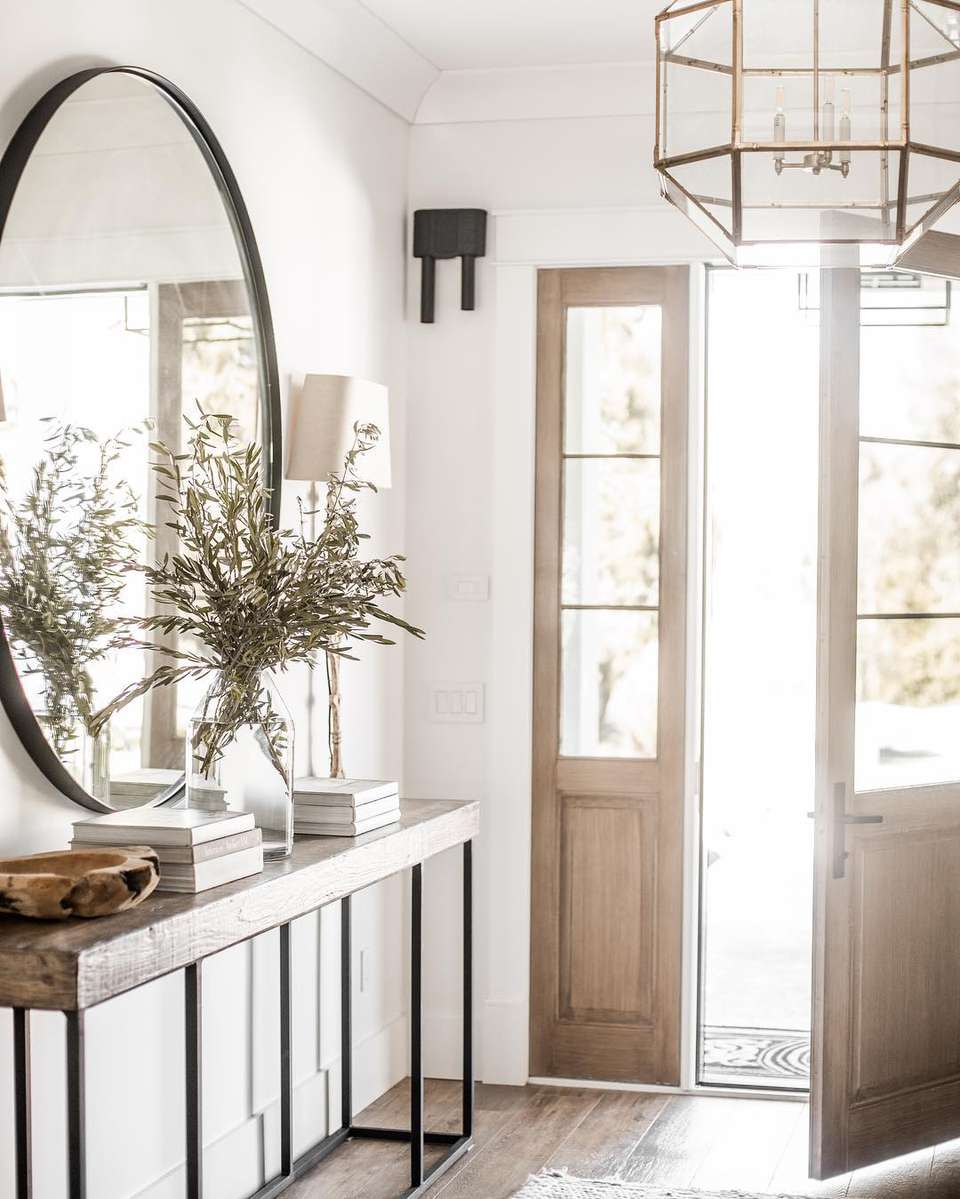
The entryway in a high-end residential interior serves as a critical juncture between the exterior and interior, establishing the spatial narrative, aesthetic tone, and experiential expectations for the home. From my professional experience, designing an entryway requires a meticulous integration of furniture selection, spatial orchestration, material refinement, lighting strategy, ergonomics, and user-centered detailing to create an immersive, functional, and visually compelling first impression that aligns with the luxury standard.
Furniture selection is foundational to entryway design. Key pieces such as console tables, benches, seating, storage units, and display elements are carefully curated not only for their practical function but also for their capacity to communicate elegance, material intelligence, and refined craftsmanship. Exotic woods, polished metals, glass, natural stone, and high-quality composites are harmonized to achieve tactile richness, visual depth, and multi-sensory engagement. Surface finishes, joinery detailing, and proportion are calibrated to ensure each element communicates authority, expertise, and professional credibility while enhancing the overall compositional harmony.
Spatial intelligence is central to creating an entryway that is both inviting and functional. Circulation pathways must accommodate effortless movement, allowing residents and guests to transition seamlessly between outdoor and indoor environments. Furniture placement is orchestrated to facilitate accessibility, optimize flow, and highlight focal points, such as sculptural artwork, lighting fixtures, or architectural features. Zones for seating, storage, and display are defined intuitively, balancing functionality with aesthetic narrative. Spatial arrangement is analyzed in relation to sightlines, scale, and the architectural framework, ensuring that each element contributes to a cohesive and visually refined environment.
Lighting strategy is pivotal in shaping perception and atmosphere. Layered illumination, including ambient, accent, and task lighting, is integrated to highlight material textures, define focal points, and create depth. Fixtures are selected for both functional efficacy and visual harmony, with materials such as hand-blown glass, polished metals, and matte finishes enhancing the luxurious character of the space. Strategic positioning of lighting enhances architectural features, casts intentional shadows, and accentuates furniture surfaces, thereby elevating both experiential and visual sophistication.
Ergonomic and functional considerations ensure that the entryway is comfortable, accessible, and usable. Bench height, storage accessibility, surface reach, and seating ergonomics are calibrated to accommodate a wide range of users. Integrated storage for shoes, outerwear, keys, and personal items is designed to be both discreet and visually coherent, maintaining aesthetic clarity while meeting practical needs. Furniture and accessory placement respects human movement patterns, allowing for ease of use without creating visual or physical congestion.
Materiality extends beyond aesthetics to influence perception, durability, and tactile engagement. Finishes are chosen to withstand high traffic and frequent handling while maintaining visual integrity. Polished surfaces, natural textures, and layered finishes interact with natural and artificial light to enhance the visual and sensory richness of the entryway. Artisanal craftsmanship, such as hand-applied veneers, precision joinery, and custom hardware, reinforces authority, professionalism, and trust in the design.
Integration with adjacent spaces is critical. The entryway must harmonize with living rooms, corridors, and transitional zones, establishing continuity in materials, color palette, lighting, and furniture scale. Visual cues, such as coordinated surface textures, rhythmic furniture placement, and lighting transitions, create a seamless progression that guides the occupant through the interior narrative. This intentional orchestration enhances spatial coherence, experiential fluidity, and perceptual sophistication.
Aesthetic narrative and personalization further elevate the entryway experience. Curated accessories, statement art pieces, and bespoke furniture selections convey the homeowner’s identity, cultural references, and personal taste. Subtle layering of color, texture, and form establishes visual interest while maintaining restraint and refinement. The interplay of sculptural forms, reflective surfaces, and natural materials creates a tactile and visual dialogue, fostering an immersive and emotionally resonant arrival experience.
Sustainability considerations are increasingly integrated into luxury entryway design. Responsibly sourced woods, low-impact finishes, recyclable metals, and durable composites ensure longevity and environmental responsibility without compromising aesthetic quality. Material selection, construction techniques, and lifecycle performance are evaluated holistically to align luxury design with ethical and sustainable principles, reinforcing credibility and trustworthiness.
Experiential considerations emphasize the multi-sensory engagement of occupants and visitors. The entryway orchestrates visual hierarchy, tactile interaction, acoustic subtlety, and spatial rhythm. Seating invites pause, consoles offer functional touchpoints, and curated displays capture attention, creating a layered and immersive spatial experience. This human-centered design approach prioritizes both comfort and emotional resonance, enhancing the perceived quality and sophistication of the interior.
Ultimately, curated entryways in high-end residential interiors exemplify the synthesis of material intelligence, spatial acumen, lighting strategy, ergonomic precision, aesthetic narrative, and experiential design. By meticulously integrating furniture, finishes, lighting, and user interaction, designers create spaces that are functionally efficient, visually compelling, and emotionally engaging. These carefully orchestrated environments not only set the tone for the home but also establish the designer’s authority, expertise, and credibility. A thoughtfully executed entryway transforms an often-overlooked transitional space into a signature introduction, reflecting the nuanced sophistication, experiential richness, and enduring value expected in high-end residential design, delivering a lasting impression of luxury, comfort, and professional mastery.