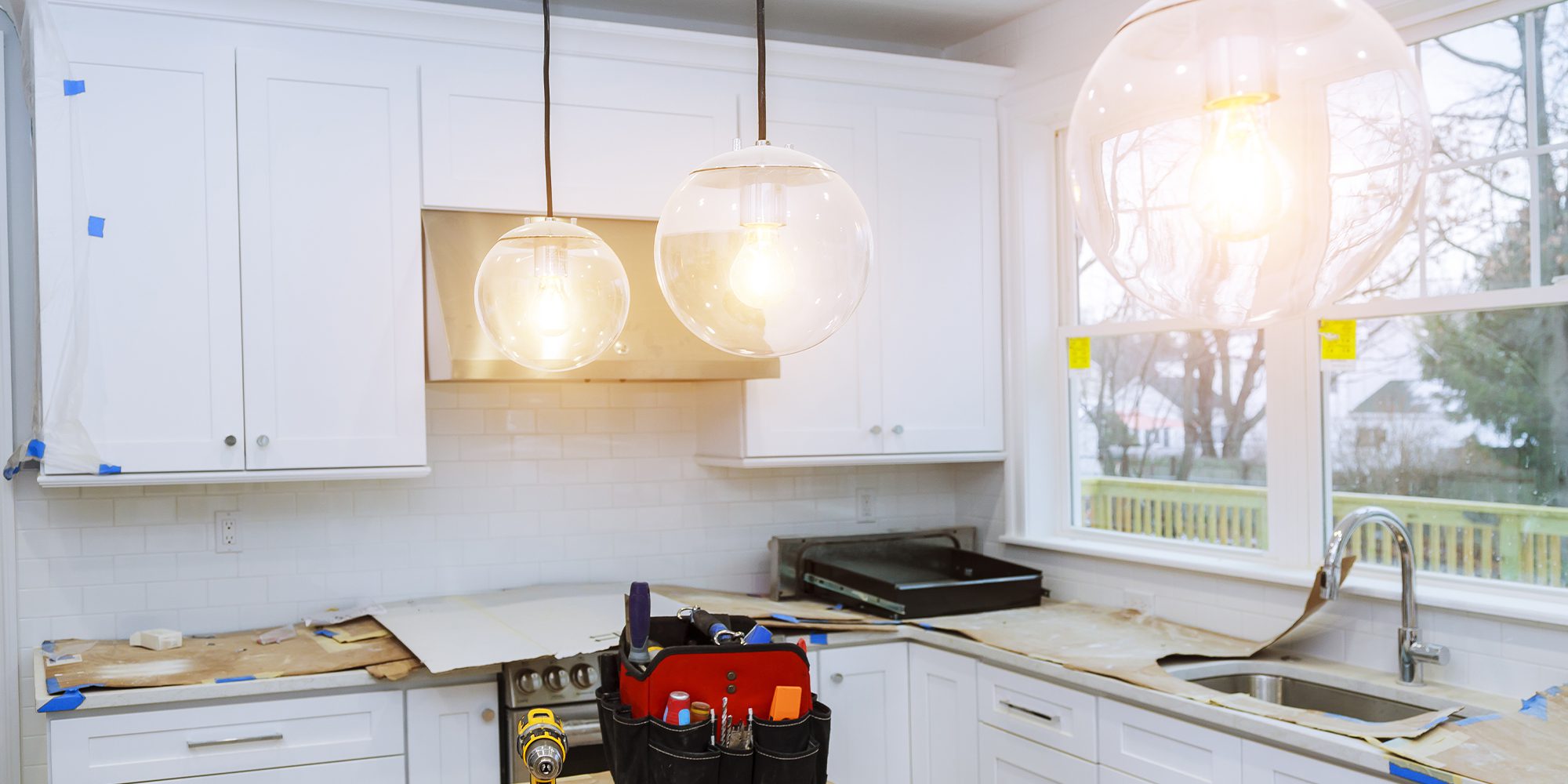
Sustainable Home Renovation: Eco-Friendly Materials and Practices
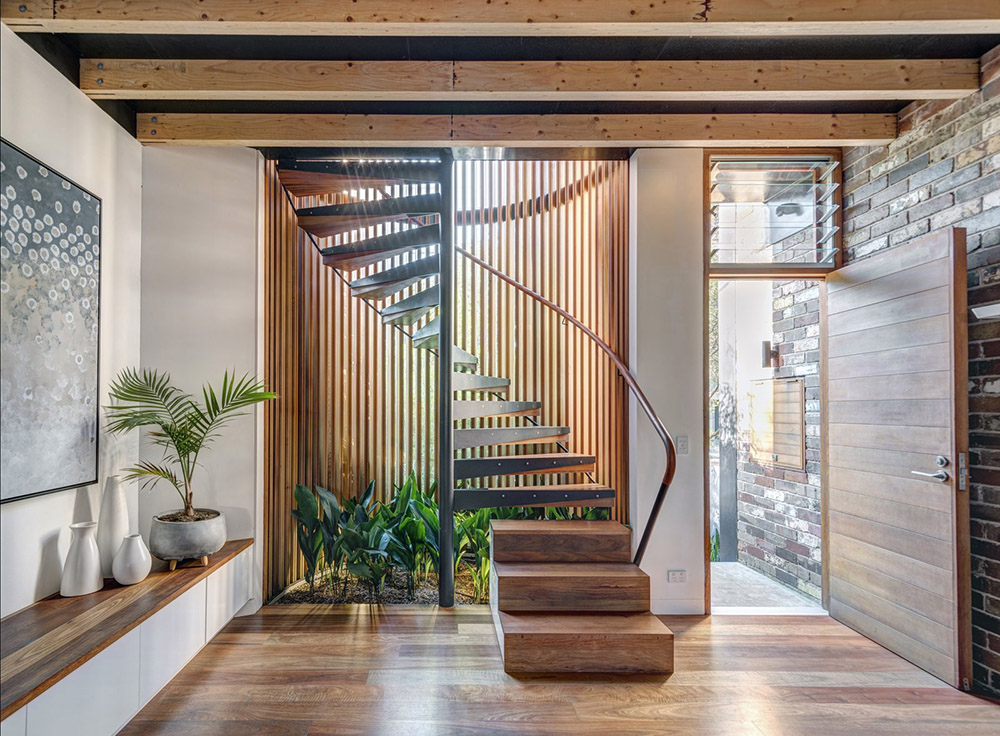
Sustainable home renovation has evolved from a niche trend to a fundamental approach to creating healthier, more resilient living spaces that respect both people and the planet. As homeowners increasingly recognize the environmental impact of traditional renovation practices, the demand for eco-friendly materials and methods has grown exponentially. This guide will walk you through the core principles of sustainable home renovation, highlighting innovative materials and proven practices that not only reduce your ecological footprint but also enhance your home’s value, comfort, and indoor air quality.
Understanding the Foundations of Sustainable Renovation
At its core, sustainable home renovation is about balance: minimizing resource consumption, reducing waste, and prioritizing long-term durability over short-term gains. Unlike conventional renovations that often prioritize aesthetics and cost above all else, sustainable projects consider the full lifecycle of materials—from extraction and manufacturing to installation, use, and eventual disposal or recycling. This holistic approach ensures that your renovation contributes to a healthier planet while creating a home that supports your well-being.
Innovative Eco-Friendly Materials Worth Exploring
The market for sustainable building materials has expanded dramatically in recent years, offering homeowners more options than ever before. Reclaimed wood, for example, brings character and history to spaces while reducing deforestation and carbon emissions. Bamboo, a fast-growing grass, serves as an excellent alternative to hardwoods for flooring and cabinetry. For countertops, consider recycled glass composites or richly veined soapstone, which requires minimal processing and ages beautifully without toxic sealants.
Beyond structural materials, sustainable finishes and fixtures make a significant difference. Low-VOC (volatile organic compound) paints, stains, and adhesives eliminate harmful off-gassing, creating healthier indoor air quality. Natural insulation materials like sheep’s wool, cork, and hemp offer superior thermal performance while being renewable and biodegradable. Even seemingly minor choices—like recycled metal roofing or water-saving fixtures—contribute to a more sustainable home ecosystem.
Proven Sustainable Practices for Your Renovation
Materials are only part of the equation; the practices you employ during renovation are equally important. Start with a comprehensive assessment of your home to identify areas where improvements will have the greatest impact—often energy efficiency, water conservation, and waste reduction. Prioritize retrofitting existing structures over demolishing and rebuilding, which minimizes waste and preserves embodied energy.
During the renovation process, implement waste reduction strategies like careful material planning, on-site recycling, and donating usable materials to local organizations. Consider passive design principles that leverage natural light, ventilation, and thermal mass to reduce your home’s reliance on mechanical systems. This might include installing energy-efficient windows, adding proper insulation, and orienting spaces to maximize solar gain in winter while minimizing it in summer.
The Long-Term Benefits of Sustainable Renovation
Investing in sustainable renovation offers numerous tangible benefits. Reduced energy and water bills are often the most immediate, with many homeowners recouping their investment within 5-10 years through lower utility costs. Improved indoor air quality supports better health, particularly for those with allergies or respiratory conditions. Sustainable homes also tend to command higher resale values, as eco-conscious buyers increasingly prioritize energy efficiency and healthy materials.
Perhaps most importantly, sustainable renovation allows you to create a home that aligns with your values. By choosing materials and practices that respect the planet, you’re not just improving your living space—you’re contributing to a more sustainable future for generations to come. Whether you’re undertaking a small bathroom update or a full-home renovation, every sustainable choice makes a difference.
Practical Tips for Getting Started
Begin your sustainable renovation journey by setting clear goals. Are you focused on reducing energy consumption, improving indoor air quality, or minimizing waste? Research local building codes and incentives for sustainable projects—many municipalities offer tax credits or rebates for energy-efficient upgrades. Work with contractors who specialize in sustainable construction, as their expertise can help you navigate material choices and implementation challenges.
Remember that sustainable renovation doesn’t have to be all-or-nothing. Even small changes—like swapping conventional paint for low-VOC alternatives or installing a water-saving showerhead—contribute to a more eco-friendly home. The key is to approach your renovation with mindfulness, considering the environmental impact of every decision from start to finish.
Final Thoughts on Your Sustainable Renovation Journey
As you embark on your sustainable home renovation, remember that the choices you make today will have lasting impacts—both on your daily life and on the planet. By prioritizing eco-friendly materials, efficient practices, and mindful design, you’re creating a home that not only reflects your values but also provides a healthier, more comfortable environment for you and your family.
The journey toward sustainable living is ongoing, and every renovation project is an opportunity to learn and improve. Whether you’re updating a single room or transforming your entire home, stay curious, ask questions, and seek out experts who share your commitment to sustainability. With careful planning and thoughtful choices, your renovation can serve as a model for others, demonstrating that luxury, comfort, and environmental responsibility can coexist harmoniously.
At the end of the day, sustainable home renovation is about more than just building materials—it’s about creating spaces that nurture both people and the planet. By embracing this holistic approach, you’re investing in a future where homes are not just places to live, but sanctuaries that support healthy, happy lives while respecting the world we all share.