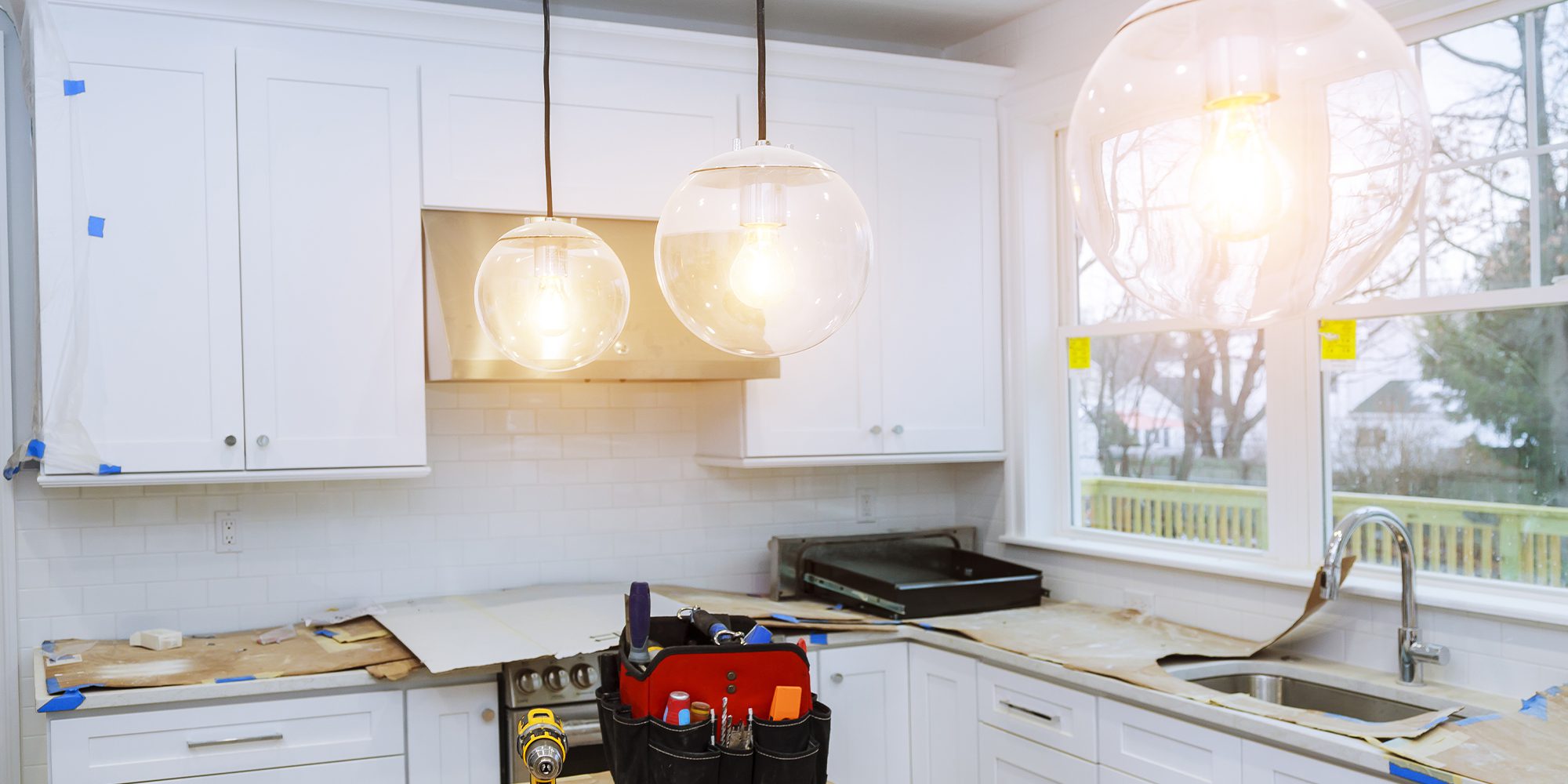
Kitchen Renovation: A Comprehensive Guide for Beginners
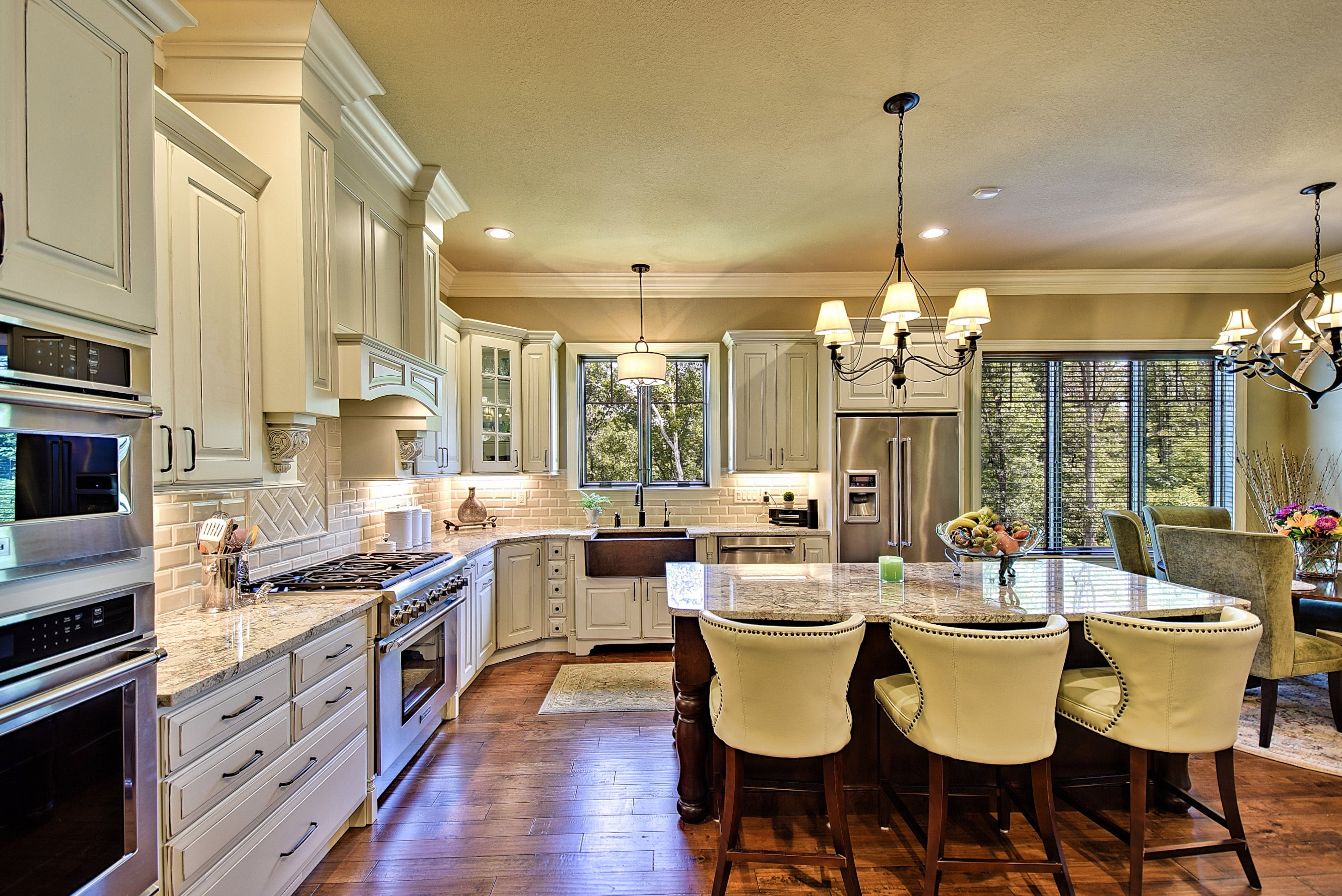
Welcome to our comprehensive kitchen renovation guide for beginners! A kitchen renovation is one of the most rewarding home improvement projects you can undertake, as it not only enhances the functionality of your home but also increases its value and improves your daily living experience. Whether you're planning a minor update or a complete overhaul, this guide will walk you through every step of the process to ensure your project is a success.
Before diving into your kitchen renovation project, it's essential to establish clear goals and priorities. Ask yourself what you want to achieve: more storage space, better functionality, updated aesthetics, or all of the above? Consider how your family uses the kitchen and what pain points you'd like to address. This initial planning phase will guide all subsequent decisions and help keep your project focused.
Budget planning is a critical first step that can make or break your renovation. Start by researching average costs for kitchen renovations in your area, then create a detailed budget that includes materials, labor, appliances, and a 10-15% contingency fund for unexpected expenses. Prioritize spending on long-lasting elements like cabinetry and countertops, while considering more affordable options for decorative elements that can be updated later.
Layout design is fundamental to creating a functional kitchen. The classic "work triangle"—connecting the sink, stove, and refrigerator—remains a popular design principle for efficient workflow. However, modern kitchen layouts also include zones for cooking, prep, cleaning, and storage. Consider your available space and how you can optimize it for your specific needs, whether that means an open-concept design, a galley kitchen, or an L-shaped layout.
Cabinet selection will have a significant impact on both the functionality and appearance of your kitchen. Choose between stock, semi-custom, or custom cabinets based on your budget and needs. Consider features like soft-close hinges, pull-out drawers, and built-in organizers to maximize storage and usability. The finish of your cabinets—whether painted, stained, or natural wood—will set the tone for the entire kitchen.
Countertops are another key decision that balances aesthetics and functionality. Popular materials include granite, quartz, marble, butcher block, and solid surface. Each has its own pros and cons in terms of durability, maintenance, and cost. Quartz is a popular choice for beginners due to its low maintenance and resistance to stains and scratches, while butcher block adds warmth and is ideal for food prep areas.
Appliance selection should align with your cooking habits and budget. Energy-efficient models can save you money in the long run, while smart appliances offer added convenience. Consider the size, style, and features you need, whether that's a double oven, a professional-grade range, or a built-in refrigerator. Remember to plan for proper ventilation to keep your kitchen air clean and fresh.
Flooring choices need to withstand heavy foot traffic, spills, and frequent cleaning. Options include tile, hardwood, laminate, vinyl, and concrete. Tile is a durable and water-resistant choice, while hardwood adds warmth and value. Luxury vinyl plank has become increasingly popular due to its affordability, durability, and realistic wood or tile appearance.
Lighting is often overlooked but plays a crucial role in kitchen functionality and ambiance. A well-lit kitchen should include three types of lighting: ambient (overall illumination), task (focused light for prep areas), and accent (highlighting architectural features or decor). Consider under-cabinet lighting, pendant lights over the island, and recessed lighting to create a layered lighting effect.
Backsplash selection is both functional and decorative, protecting your walls from splashes while adding visual interest. Options range from ceramic and porcelain tile to natural stone, glass, and metal. Choose a design that complements your countertops and cabinetry, whether you prefer a subtle, coordinating look or a bold, statement-making pattern.
Hardware and finishes—the knobs, pulls, faucets, and fixtures—are the final touches that tie your kitchen design together. Choose finishes like brushed nickel, chrome, brass, or matte black that complement your overall design aesthetic. Consistent finishes throughout the kitchen create a cohesive look, while mixing finishes can add visual interest when done thoughtfully.
When it comes to the renovation process, you have several options: DIY, hiring individual contractors, or working with a kitchen design professional. For beginners, it's often wise to consult with a professional designer or contractor, especially for structural changes, plumbing, and electrical work. If you choose to DIY, start with smaller projects like painting cabinets or installing a backsplash.
Project management is key to keeping your renovation on track. Create a timeline with realistic deadlines, communicate regularly with contractors, and be prepared for unexpected delays. Keep track of expenses to avoid going over budget, and make decisions promptly to prevent bottlenecks. Remember that patience is essential—kitchen renovations typically take 6-8 weeks, and there may be unforeseen challenges along the way.
In conclusion, a successful kitchen renovation requires careful planning, budgeting, and decision-making. By focusing on functionality first, then aesthetics, you can create a kitchen that meets your family's needs and enhances your home's value. Whether you're a complete beginner or have some DIY experience, this guide provides the foundation you need to embark on your kitchen renovation journey with confidence.